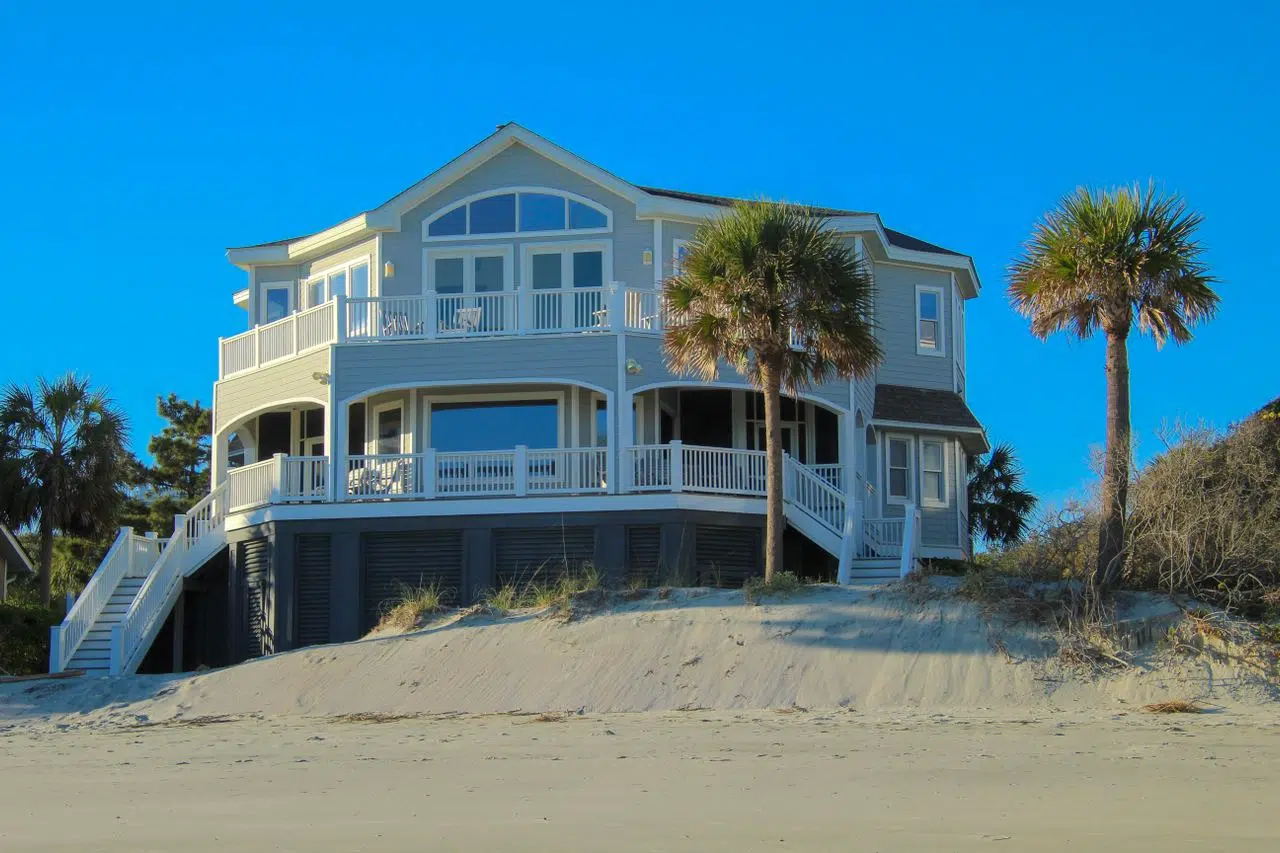
Isle of Palms, South Carolina, sits on a slender barrier island north of Charleston, and it draws families for reasons that hold up across a whole week rather than a long weekend. The Lowcountry coast offers warm water, wide sand, and a pace that suits groups traveling with children, but the practical side takes some thought. Weather, timing, packing, and where everyone sleeps all shape how the trip actually goes. A little planning ahead turns a good week into an easy one.
Sorting Out Where Everyone Sleeps
Space is the thing families underestimate on a beach trip, since a group that fits comfortably in a hotel room for two nights will be at each other by day four. Bedrooms, a kitchen, and somewhere to sit outside make the difference between a holiday and an endurance test. iTrip Lowcountry handles Isle of Palms, South Carolina vacation rentals ranging from a couple of bedrooms up to large group properties, many of them pet-friendly. Grills, private backyards, and pools come with a good number of them, which keeps the group fed and occupied without going anywhere.
Picking the Right Weeks
Season shapes everything about a Lowcountry beach trip. Summer brings the warmest water and the largest crowds, along with heat and humidity that peak in July and August and afternoon storms that build and pass within an hour. Late spring and early autumn are the sweet spots, with comfortable temperatures, warm ocean, and noticeably fewer people. Hurricane season runs from June through November, with the highest activity in September, so travel insurance is worth considering for trips in that window. Winter is quiet and mild, better for walking the beach than swimming in it.
Understanding the Water
The Atlantic here is warm through summer and generally welcoming, but it deserves respect. Rip currents are the main hazard on any Atlantic beach, and the rule if caught in one is to swim parallel to shore rather than fight straight back against it. Beach flags indicate conditions and should be checked before anyone goes in. Tides swing several feet on this coast, which changes the amount of sand available considerably through the day and matters for anyone setting up an umbrella. Low tide exposes wide flat stretches that are excellent for young children and shell hunting.
Sun and Heat Management
The subtropical sun here is stronger than most visitors expect, and reflection off water and pale sand roughly doubles the exposure. Broad-spectrum sunscreen applied before leaving and reapplied every two hours is the baseline, along with hats, rash guards for children, and an umbrella or pop-up shade. Peak intensity runs from late morning to mid-afternoon, which is the sensible window for lunch, a nap, or something indoors. Water intake matters more than people realize in this humidity, and a cooler with cold drinks is worth the trouble every single day.
Things That Make the Days Easier
Beach trips run on preparation. A wagon beats carrying chairs and coolers across soft sand. Baby powder removes sand from skin far better than water does. Waterproof bags protect phones and keys, and a small first aid kit handles the scrapes that come with shells and rocks. Bug spray earns its place at dawn and dusk, when no-see-ums come out in this part of the coast. None of this is expensive, and every item on the list solves a problem that will otherwise interrupt a good afternoon.
Filling the Non-Beach Hours
Nobody spends twelve hours a day on sand, and the island offers plenty for the rest. Golf, tennis, pickleball, sand volleyball, and community pools are all available, along with a recreation center that runs programs through the season. The shopping and dining sit close together and are easy to reach on foot from much of the island. Charleston is a short drive inland for a day trip when the group wants a change of scenery, and the road between the two is straightforward.
Wildlife on the Coast
The barrier island environment supports a lot worth watching for. Sea turtles nest on these beaches through the summer, and nests are marked and protected, so keeping distance and avoiding lights on the beach at night genuinely matters during that season. Dolphins are commonly visible from shore, particularly early in the morning. Shorebirds gather in numbers, and the marsh side of the island holds herons, egrets, and a good deal else. Pointing this out to children usually generates more interest than anything you plan deliberately. A cheap pair of binoculars turns a slow morning into an activity that costs nothing. Early risers see the most, since the beach is quietest and the animals are least disturbed before the crowds arrive.
Feeding a Group Without Losing the Week
Eating out every night with a family is expensive here and involves waiting, particularly during peak season when kitchens are busy from six onward. Stocking up on arrival and cooking most nights costs a fraction of it and takes less time overall. Grills come with a good number of properties, and breakfast at the table beats getting everyone dressed and out the door before nine. Mixing in a few meals out keeps the week interesting without the budget or the schedule taking the hit. Doing the big grocery run on the way in, before anyone unpacks, saves a wasted trip on the first morning. Packing lunches for beach days keeps everyone out longer and avoids hauling the group back and forth in the heat.
Keeping the Pace Sensible
The most common mistake families make is over-scheduling a beach week. Heat is tiring, sun is tiring, and children hit their limit earlier than adults do. Two things a day is plenty, and the unplanned hours are usually where the good memories come from. Leave room for a rained-out afternoon, because summer here guarantees at least one. Families who go in with a loose plan and a well-stocked kitchen tend to come home rested, which is the entire point of the exercise.