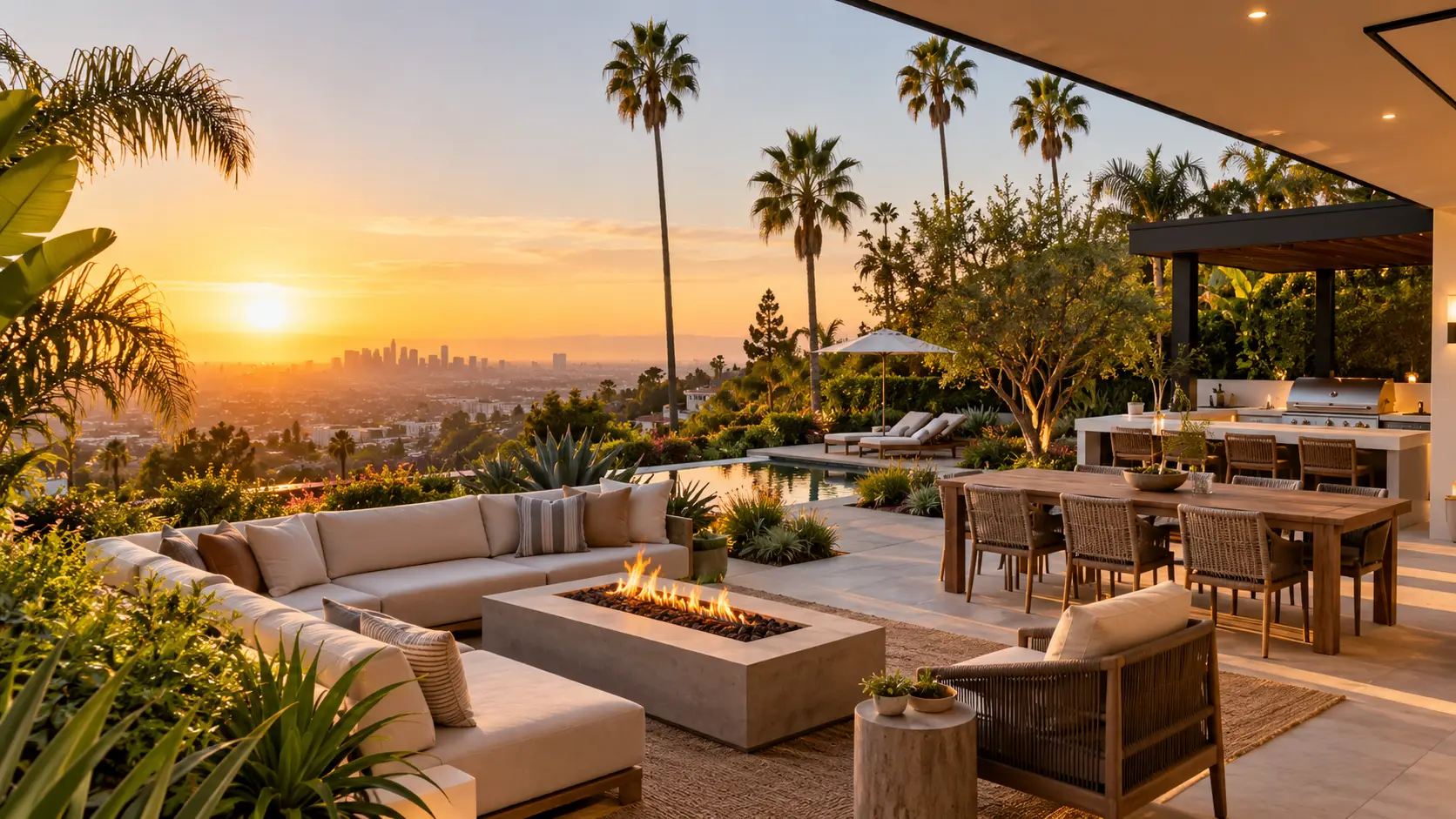
A backyard can be much more than a patch of grass behind the house. With thoughtful planning, it can become an extension of the home’s living space, offering areas for dining, relaxing, entertaining, playing, and enjoying the Southern California climate.
For homeowners in Los Angeles, outdoor renovations can be especially valuable because the region’s climate allows residents to use their yards throughout much of the year. However, creating a backyard that looks attractive and functions well requires more than simply adding a few new features. The layout, materials, drainage, landscaping, shade, and entertainment areas all need to work together.
Whether the goal is a complete transformation or a series of smaller improvements, these considerations can help homeowners create a backyard that feels comfortable and purposeful.
Start With How You Want to Use the Space
Before choosing materials or contacting contractors, think about how the backyard will actually be used. Homeowners comparing local renovation options can also research Encore Builders when exploring ways to coordinate multiple outdoor improvements.
A family with children may want open areas for play, durable surfaces, and a safe transition between the house and outdoor spaces. Someone who frequently entertains guests may prioritize seating, dining areas, lighting, and an outdoor kitchen.
Other homeowners may want a quiet retreat with comfortable furniture, shade, landscaping, and a place to enjoy their morning coffee.
These different priorities can significantly influence the design. A backyard should not be designed simply to look impressive in photographs. It should be organized around the activities that matter most to the people who live there.
Think About the Backyard as One Connected Space
One common mistake during outdoor renovations is treating every feature as a separate project.
A patio may be installed in one area, landscaping added somewhere else, and a walkway constructed later without considering how everything connects. The result can feel fragmented.
A better approach is to consider the entire property before construction begins.
Think about how people will move from the house to the patio, pool, lawn, outdoor kitchen, or garden. Consider where furniture will go and whether there is enough room to walk comfortably around it.
Homeowners planning a larger transformation can explore backyard remodeling in Los Angeles as a way to coordinate multiple outdoor elements within a single design.
Create Defined Outdoor Zones
A large backyard can sometimes feel surprisingly difficult to use because there are no clearly defined areas.
Creating different zones can make the space feel more organized.
For example, one section could be dedicated to outdoor dining, while another provides a lounge area. A separate section might contain a fire feature, pool, lawn, or children’s play area.
These zones do not necessarily require walls or fences. Changes in paving materials, landscaping, furniture placement, elevation, or lighting can visually separate one area from another.
The key is maintaining a sense of connection between each zone.
Add Shade for Comfortable Outdoor Living
Los Angeles receives plenty of sunshine, but excessive exposure can make outdoor spaces uncomfortable during the hottest parts of the day.
Shade should therefore be considered during the planning stage.
Pergolas, patio covers, umbrellas, trees, and other shade structures can make seating and dining areas more practical. Positioning is important because the amount of shade changes throughout the day and across different seasons.
A shaded seating area near the house can become an outdoor living room, while a covered dining space can make outdoor meals more enjoyable.
Choose Hardscape Materials Carefully
Hardscaping provides the foundation for many backyard designs.
Patios, walkways, pool decks, steps, and other surfaces need to withstand regular use and exposure to outdoor conditions.
Appearance matters, but homeowners should also consider texture, maintenance, drainage, durability, and how the material will coordinate with the architecture of the house.
Pavers, concrete, natural stone, and other materials each create different visual effects. The right selection depends on the property’s existing design and the homeowner’s priorities.
It is also important to think about transitions. A walkway leading from the house to the backyard should feel like a natural continuation of the home’s architecture rather than an unrelated surface.
Don’t Overlook Drainage
Drainage may not be the most exciting part of a backyard renovation, but it is one of the most important.
Water needs to move away from structures and other areas where it could cause problems. Poor grading can lead to standing water, erosion, damaged landscaping, and other issues.
Drainage should therefore be considered before installing patios, turf, retaining walls, or other major features.
Planning it at the beginning is generally easier than trying to correct water-flow problems after construction is complete.
Incorporate Low-Maintenance Landscaping
Many homeowners want an attractive yard without spending every weekend maintaining it.
Low-maintenance landscaping can help achieve that balance.
Depending on the property, this might include drought-tolerant plants, decorative rock, artificial turf, native plants, trees, or strategically placed garden beds.
The goal is not necessarily to eliminate maintenance altogether. Instead, the objective is to create a landscape that matches the amount of time the homeowner wants to spend caring for it.
Consider Outdoor Lighting
A backyard can look completely different after sunset.
Lighting can highlight architectural features, illuminate pathways, improve visibility around steps, and make entertainment areas more comfortable.
Rather than installing bright lights everywhere, homeowners can use different levels of illumination for different purposes.
Path lighting can improve navigation, while softer lighting around seating areas can create a more relaxed atmosphere.
Lighting should be incorporated into the overall plan rather than added as an afterthought.
Plan for Future Improvements
Not every backyard feature needs to be installed at once.
Some homeowners may want to complete the patio first and add a pool, outdoor kitchen, pergola, or additional landscaping later.
When planning a renovation, it can be useful to consider possible future improvements. For example, leaving appropriate space for a future structure or coordinating materials with planned additions can reduce the chance of having to redo completed work.
This is particularly useful for homeowners working with a larger property or a long-term renovation plan.
Work With the Existing Home
The backyard should complement the house.
Consider exterior colors, architectural style, windows, doors, rooflines, and existing materials when selecting outdoor finishes.
A cohesive design does not mean every element has to match perfectly. Instead, colors, textures, and proportions should relate to one another.
When the transition between indoor and outdoor areas feels natural, the backyard can become a true extension of the home.
Final Thoughts
A successful backyard renovation is ultimately about creating a space that fits the homeowner’s lifestyle.
The most attractive design may not be the one with the most features. It may simply be the one that makes everyday life easier and more enjoyable.
By planning circulation, shade, hardscaping, drainage, landscaping, lighting, and future improvements together, Los Angeles homeowners can create outdoor spaces that are both visually appealing and genuinely useful.