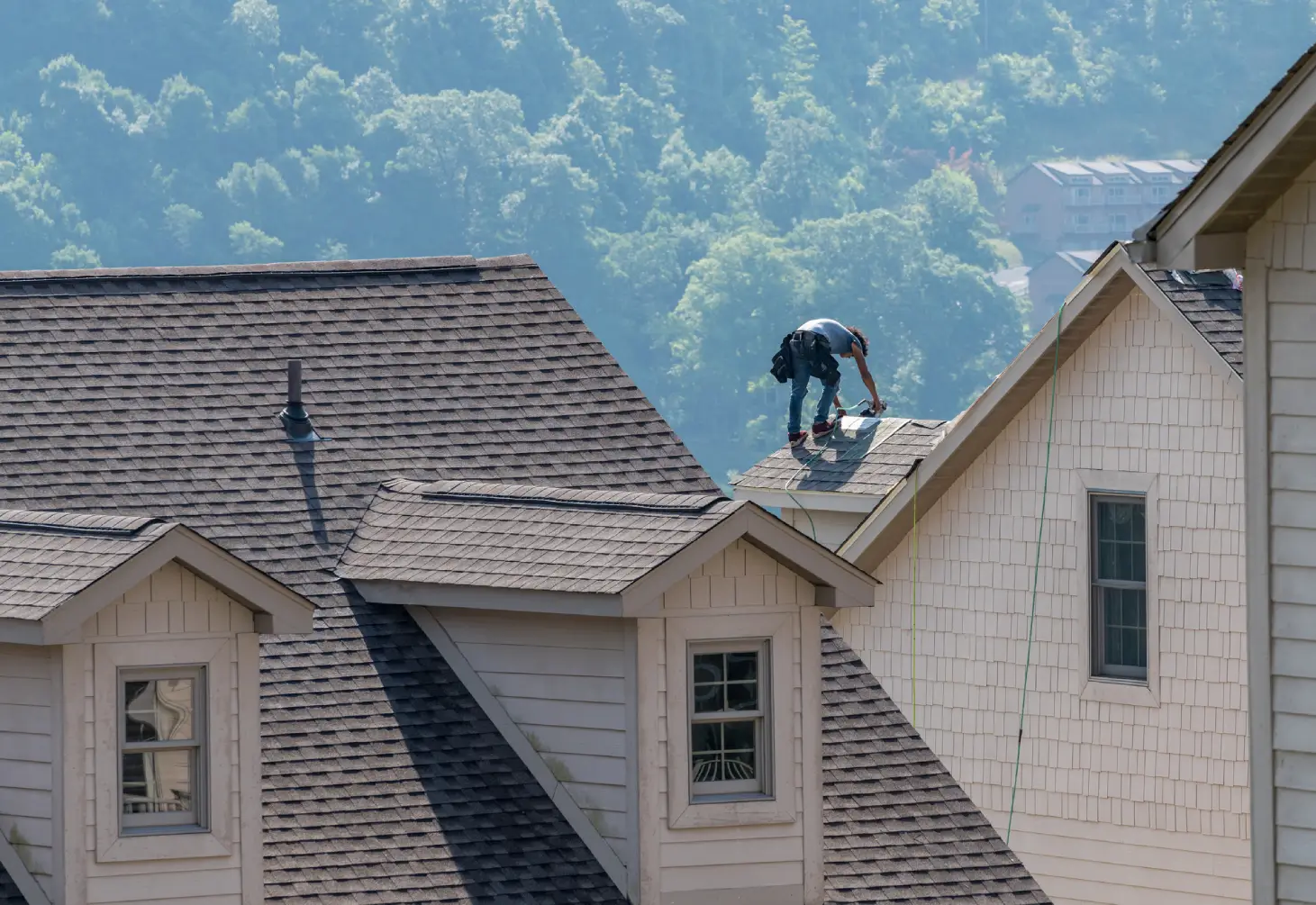
Fixing a roof isn’t a DIY job. You need special tools and know-how. Some owners try to do it themselves to save cash. But pros have years of experience and proper safety gear. Working with trained roofers protects your building and keeps it in good shape.
Understanding The Scope Of Complex Roof Systems
A roof has many layers. They keep water out of your home. Underlayment, flashing, decking, and shingles must all work together. If one layer has a weak spot, water can get in.
Certified roofers know how materials react when temperatures change a lot. They check the roof’s slope, airflow, and drainage on every job. Good installation stops the roof from wearing out too soon.
Modern roofs use special water barriers near gutters and valleys. Skilled workers put ice shields and thick membranes where water collects most. Putting each layer in the right spot makes the roof last longer.
Roofs need good airflow to control moisture inside. The right vents stop humidity from building up under the roof deck. A pro can make sure air flows through your attic all year.
Professional Leak Repair Strategies
Commercial buildings feature flat or low-slope designs that demand specialized sealing techniques. Timely commercial roof leak repair prevents water accumulation from damaging heavy internal machinery and ceiling tiles. Expert crews use advanced tools to weld membrane seams shut.
Flat roofs need special materials like TPO, EPDM, or layered felt. Licensed roofers check drains and scuppers to stop water from pooling. Good repairs protect inventory and keep daily work moving without surprise stops.
Big facility roofs get heavy foot traffic from techs who service HVAC units. Contractors install walkway pads and barriers around fragile membrane areas. Custom fixes protect the insulation layers under the waterproof membrane.
Commercial buildings have complex low walls around the roof edge and joints that let the building move. Weather makes building parts expand and shrink at different rates. Certified installers use flexible flashing that moves with the structure without cracking.
High Risks Associated With Do-It-Yourself Repairs
Climbing on a steep roof is very dangerous without special safety gear. Slippery surfaces, wobbly ladders, and sudden wind can cause serious accidents. Falling from a roof can lead to bad injuries or big medical bills.
Most homeowners don’t have safety harnesses, scaffolding, or the right gear for high work. Professional crews use approved safety anchors and tie-off lines on every job. Hiring licensed contractors keeps property owners safe from injury.
Trained workers go through safety training on equipment and hazard spotting. They know how to stay secure on steep slopes and walk on fragile tiles without slipping. DIY attempts often miss changing weight limits or weak spots on the roof.
Working at heights takes physical strength and quick reactions. Slipping on loose granules or unsecured decking can cause a fall in seconds. Trusting trained contractors keeps homeowners safe on the ground.
Identifying Hidden Structural Damage Early
Roof damage often starts in hidden spots long before water drips through your ceiling. Trapped moisture rots wooden beams, ruins insulation, and weakens the roof’s support structure. Professional inspectors find these small signs of damage under the top layer of roofing.
Skilled contractors use thermal cameras and moisture meters to find trapped water. Finding problems early lets them make targeted repairs before the framing collapses or warps. Fixing issues on time keeps maintenance costs under control year after year.
Debris around skylights and dormers hides cracked sealant. Qualified roofers check the flashing where the roof meets vertical walls. Finding tiny cracks early stops water from seeping into your home’s foundation.
Water inside walls and ceilings follows unpredictable paths along support beams. A stain on your ceiling might come from a leak far away. Experienced roofers trace these paths to fix the real source of the moisture problem.
The True Value Of Professional Workmanship Guarantees
Contractor warranties protect you from bad materials and poor work. Good companies guarantee their work for years after the job. If you fix it yourself, you pay for any damage later.
Written warranties raise your home’s value when you sell. Insurance companies want proof of professional care before they pay claims. Hiring qualified pros gives you long-term financial protection.
Warranty coverage depends on the materials you pick and how the building is used. Licensed roofers explain what is covered before they start. Clear warranty terms prevent surprise costs later.
Lifespan Expectations And Material Quality
Premium roofing materials last longer in harsh weather. Industrial contractors buy high-grade shingles, membranes, and fasteners straight from certified makers. These better parts stand up to strong winds, heavy rain, and UV rays much better than cheap ones.
California contractor rules say average home roofs last 15 to 20 years. Using commercial-grade materials can make them last longer. Professional installation keeps the manufacturer’s warranty valid for decades of weather.
Cheap materials break down fast in heat and moisture. Low-cost sealants crack within months and let water leak inside. Paying for quality parts lowers the total cost of replacements over time.
Material choices should match local weather and how the building faces. Homes near ocean salt air or strong sun need hardware that resists rust. Professional roofers pick materials made for those specific conditions.
Regular care helps your roof materials last longer. After big storms, check for loose shingles, damaged flashing, and worn seals. Pick materials that meet local building codes. That helps you pass inspections. Good attic airflow lowers heat and moisture under the roof. Buying durable materials and doing routine upkeep protects your home and cuts future repair bills.
Navigating Local Building Codes And Permits
City building codes control roof weight limits, fire safety, and drainage. Getting a permit means turning in detailed plans and getting approval from the local building department. Licensed contractors handle the paperwork and schedule required city inspections.
Working without a permit leads to fines and makes selling your property harder later. Inspectors can order you to tear out unpermitted roof work at your own cost. Expert contractors keep everything compliant with local codes from start to finish.
Codes change often as safety rules update. Certified roofers keep up with local fire codes and weight limits. Proper permits prove structural integrity to lenders and insurance companies.
City rules also say how to dispose of old roofing materials. Professional contractors recycle old asphalt shingles and metal flashing. Proper disposal keeps the job site clean and follows environmental rules.
Before roof work starts, homeowners should check what permits are needed. Keep copies of permits, inspection reports, and contractor agreements. That gives you a clear record of the project. These papers can help when you file insurance claims or sell your home.
Talk to a licensed contractor about local rules. That can help you avoid costly mistakes. Following the right approval process helps protect your building and everyone inside.
Energy Efficiency Improvements For Modern Properties
Good roof insulation and reflective coatings cut your heating and cooling bills. Contractors check attic airflow, radiant barriers, and how well your roof reflects sunlight. Modern roofs act as a barrier against extreme weather.
The U.S. Department of Energy says cool roofs can cut summer AC use by up to 15% in warm areas. Reflective surfaces bounce solar energy back into the sky instead of soaking up heat. Less heat inside means lower bills in summer.
Attic ventilation works with reflective roofs to keep indoor temps steady. Good airflow stops moisture from building up under the roof deck in winter. Energy-efficient roofs put less strain on your HVAC system and lower monthly bills.
New energy codes offer tax breaks and rebates for qualified cool roofs. Contractors help owners pick materials that qualify. Upgrading your roof’s energy performance saves you money right away.
Homeowners should think about their local climate when picking energy-efficient roofing materials. Good insulation keeps warm air inside during winter and blocks extra heat in summer.
Regular roof checks can find gaps or damage that lower energy performance. Using reflective coatings with good ventilation can make your home more comfortable all year. These upgrades can cut energy use and help your heating and cooling system last longer.
Routine Maintenance Strategies That Extend Lifespan
Systematic roof maintenance schedules catch minor surface issues before large structural failures develop. Professional crews clear debris, clean gutter systems, and inspect flashing seals regularly. Preventive upkeep minimizes emergency repair expenses across multi-year operating timelines.
Standard maintenance protocols focus on key structural areas:
- Clearing leaves and dirt buildup
- Resealing cracked caulk joints
- Realigning loose shingles
- Checking attic interior framing
Regular service contracts keep your roof warranty active with the companies that made your roofing materials. Good maintenance records give insurance adjusters clear proof after big storms. Smart upkeep protects your investment from early aging.
If you ignore small repairs, water leaks can damage the wood under your roof. Replacing rotted plywood costs much more than sealing small cracks early. Regular care keeps your roof strong and delays expensive replacements.
Seasonal Inspection Protocols
Weather changes put stress on your roof. Heat makes it expand, rain pours down, and freezing temperatures cause damage. Roofing guides say to check your roof every spring, every autumn, and after big storms. Regular checks help you find cracked sealant, loose shingles, and clogged drains quickly.
Spring checks look for damage from winter ice. Autumn checks focus on clearing fallen branches and getting gutters ready for winter rain. After a storm, you should look for missing pieces before small leaks cause damage inside your home.
Professional inspectors take clear photos and write detailed reports. They give you a clear timeline for repairs and replacements. A regular inspection schedule helps you avoid sudden structural emergencies.
Seasonal temperature changes make roofing materials expand and shrink. This movement loosens fasteners and breaks seals around roof openings. Professional inspections find loose hardware before water gets through the seals.
Keep a record of every roof inspection. That helps you track changes over time. Records show which problems keep coming back and what repairs you already did. Clear leaves and debris from gutters.
That helps rainwater drain away from the roof. Fix small damage early. Then leaks won’t spread into ceilings, walls, or insulation. Regular care protects your roof and lowers the chance of surprise repair bills.
Emergency Response Capabilities After Severe Weather
Violent weather can damage your roof fast. Falling branches, hail, and high winds can cause sudden problems. Professional roofing companies have emergency teams ready. They install temporary tarps and seal punctures. Quick action stops rain from ruining your home’s interior, wiring, and belongings.
Contractors stabilize the structure while they prepare a full repair estimate. They document all damage to support your insurance claim. Fast emergency response lowers the total cost of repairs.
Trying to fix your roof during a storm is very dangerous for untrained people. Professional crews use special safety gear and strong water barriers. Trusted contractors restore your roof safely and efficiently.
Emergency services clear fallen tree limbs and fix displaced flashing. Quick stabilization protects your foundation from heavy water runoff during ongoing rain. Reliable emergency response protects your property value during severe weather crises.
Choosing The Right Professional Contractor
Picking a good roofing contractor means checking a few things. Look at their state license, liability insurance, and workers’ compensation coverage. Ask for a written estimate that lists materials, timelines, and payment steps. Checking these details helps protect you from scams and poor work.
Local roofers know the weather, local climates, and common building styles in your area. They also have relationships with local suppliers and building inspectors. Hiring an experienced local roofer helps you get reliable support over the life of your roof.
Check customer references and online reviews. They show whether a contractor is reliable. Good contractors communicate clearly and give you a written contract that explains each step. Choosing carefully helps the project run smoothly from start to finish.
Licensing boards keep public records about discipline and insurance. Check these before you sign a contract. That protects you from financial risk. Hiring a top-rated pro gives you quality work and peace of mind.
Learn More About a Professional Roofer
Good roofers know how to fix tricky roofs. They check your roof carefully and follow the rules. They also give you a written promise that their work will last. Paying a pro protects your home’s value and keeps it safe for years.
Want more tips on roofs, home repairs, and picking good materials? Check out our blog.