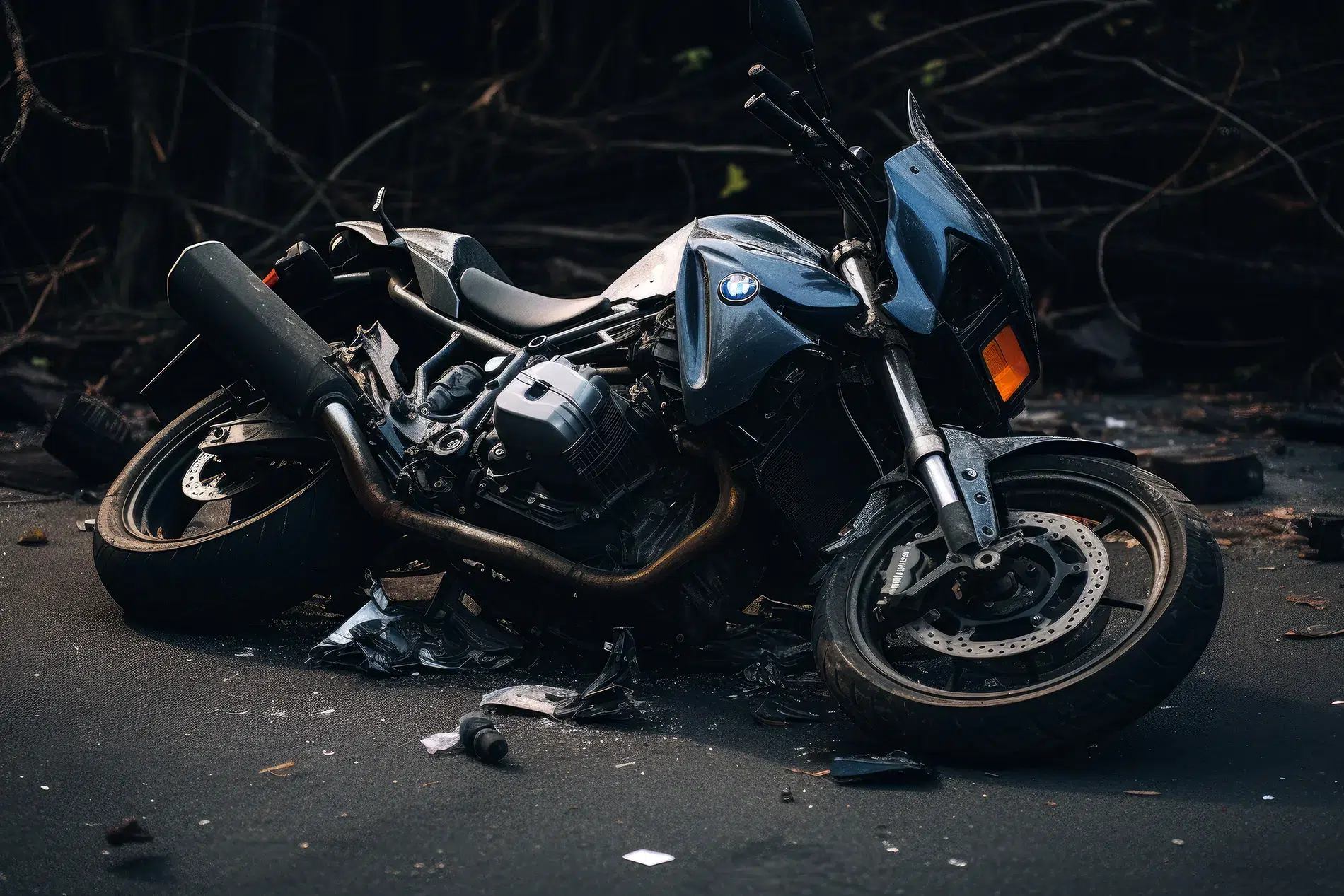
In Bothell, a growing community shaped by commuter routes, local traffic, and a mix of urban and suburban roads, motorcycle travel is a common part of daily movement. With that convenience, however, comes a higher level of risk exposure, especially when visibility, road conditions, and driver awareness intersect in unpredictable ways.
Determining fault is rarely based on a single moment; it requires a careful review of actions, conditions, and available evidence leading up to the crash. For injured riders, understanding how this process works can make a significant difference in protecting their rights and pursuing compensation. In situations like these, guidance from a Bothell personal injury lawyer can help ensure that each detail is examined and presented with clarity from the outset.
Early Evidence Matters
Minutes after a crash can shape the entire claim. Tire marks fade, debris gets cleared, and shaken witnesses forget timing. Soon after emergency care, many injured riders seek legal help to understand whether evidence regarding vehicle damage, roadway scars, and fresh recollections are still usable. That early record helps connect speed, signaling, lane position, and stopping distance to the actual sequence.
Police Reports Start, Not Finish
An officer’s report often gives the first organized account of a wreck. It may list weather, traffic control devices, vehicle placement, and brief statements from those involved. That said, reports are written quickly, often before imaging studies, repair analysis, or camera footage become available. A diagram may help frame the event, but stronger fault findings usually come from records that support, test, or correct those initial observations.
Physical Clues Tell a Story
Crush damage, scrape direction, and debris spread often reveal how the impact occurred. A bent fork may suggest a direct front strike or abrupt braking under load. Side abrasions can support a lane incursion or glancing contact during a merge. Helmet marks, pavement gouges, and fluid patterns also help place each vehicle in order. Hard surfaces preserve details that memory sometimes blurs.
Traffic Rules Guide the Analysis
Fault review begins with basic roadway duties. Drivers must yield during left turns, check mirrors before changing lanes, and leave a safe following distance. Riders must obey signals, manage speed, and stay visible within lawful lane use. Investigators compare those duties with the timing of each move. The key question is simple: which choice created avoidable danger at the point where contact became likely?
Comparative Fault Can Split Responsibility
Washington uses comparative fault, so blame can be shared. An injured rider may still recover compensation even after carrying part of the responsibility. Payment is reduced by that assigned percentage. Shared fault is common at intersections, during merges, and in rear-end events involving sudden speed changes. One person may trigger the hazard, while another person’s delayed reaction, excess speed, or poor spacing can intensify the outcome.
Witnesses and Cameras Add Precision
Independent witnesses can steady a disputed account. A pedestrian, delivery driver, or nearby motorist may recall signal color, lane drift, or sudden braking. Video often adds greater precision because it captures timing that people misjudge under stress. Dash recordings, store surveillance, and doorbell clips may show turn initiation, brake light activation, or lane position seconds before impact. Those details can quickly shift a fault decision.
Road Conditions and Vehicle Problems Count
Not every collision is caused solely by human behavior. Loose gravel, broken asphalt, pooled water, poor drainage, or missing signs can force a rider into an unsafe path. Mechanical failure can matter too, including brake loss, steering defects, or tire separation. In those cases, investigators review maintenance records, recall history, and road complaints. Legal responsibility may extend beyond the two people present at impact.
Injury Patterns Support Causation
Medical findings can support how a crash unfolded. A lower leg fracture may fit a side strike from a turning vehicle. Wrist injuries can reflect a forceful attempt to brace before ejection. Chest trauma may align with direct handlebar impact. Treatment timing also matters because prompt evaluation ties symptoms more closely to the wreck. Long delays give insurers room to question whether another event caused the condition.
Insurance Reviews Often Test the Rider
Motorcycle claims often receive harder scrutiny than car crash files. Bias can lead adjusters to assume speed, weaving, or poor judgment before the evidence is complete. Early recorded statements may then be used without full scene context. A stronger case relies on photographs, repair estimates, phone data, witness interviews, and medical records. Clear documentation narrows guesswork and keeps the focus on provable facts.
Conclusion
Fault in a motorcycle crash is built from many connected details, not one dramatic instant. Investigators look at traffic duties, vehicle damage, road conditions, injury patterns, witness recollections, and the timing of each decision. Washington’s comparative fault rule also means partial blame may reduce compensation without ending a claim. Careful evidence review remains the fairest way to measure responsibility and protect injured riders from premature judgments.