Renting a home offers flexibility, convenience, and fewer long-term commitments than homeownership. However, renting also comes with its own set of challenges. Even in well-maintained properties, unexpected issues can arise without warning. Water leaks, mold growth, electrical problems, appliance failures, and theft can create stress and lead to unexpected expenses.
Many renters assume that every property-related problem automatically becomes the landlord’s responsibility. While landlords are generally responsible for maintaining the property itself, tenants may still face financial losses when personal belongings are damaged or when certain situations fall outside the scope of the landlord’s obligations.
The good news is that renters can take practical steps to reduce risks and better protect themselves from costly surprises. Understanding common property issues, maintaining good records, communicating effectively, and reviewing available protections can all contribute to greater peace of mind.
Being proactive is often the best defense. Taking a little time to prepare today can help renters avoid larger problems tomorrow while making it easier to handle unexpected situations if they do occur.
Understanding Common Property Risks for Renters
Unexpected property issues can happen in nearly any rental environment, regardless of the property’s age or condition. Common concerns include plumbing leaks, roof damage, mold growth, electrical failures, pest infestations, accidental fires, and theft.
While some problems are minor inconveniences, others can result in significant financial losses or disruptions to daily life. Water damage is one example. A leaking pipe or overflowing appliance can damage furniture, electronics, clothing, and other personal belongings in a surprisingly short amount of time.
Because certain risks can have financial consequences, renters should take time to understand the protections available to them. For example, if you’re considering renters’ insurance, mold coverage can help tenants address mold-related situations widely.
Understanding these details before a problem occurs can prevent confusion and help renters make informed decisions about their level of protection.
The most effective approach is to remain proactive rather than reactive. Being aware of potential risks allows renters to take preventive measures and respond quickly when issues arise.
Documenting and Reporting Problems Early
One of the simplest yet most effective ways to protect yourself as a renter is to identify and report problems as early as possible.
Small issues often become much larger when left unaddressed. A minor leak under a sink may eventually lead to water damage, mold growth, or structural concerns if ignored for too long.
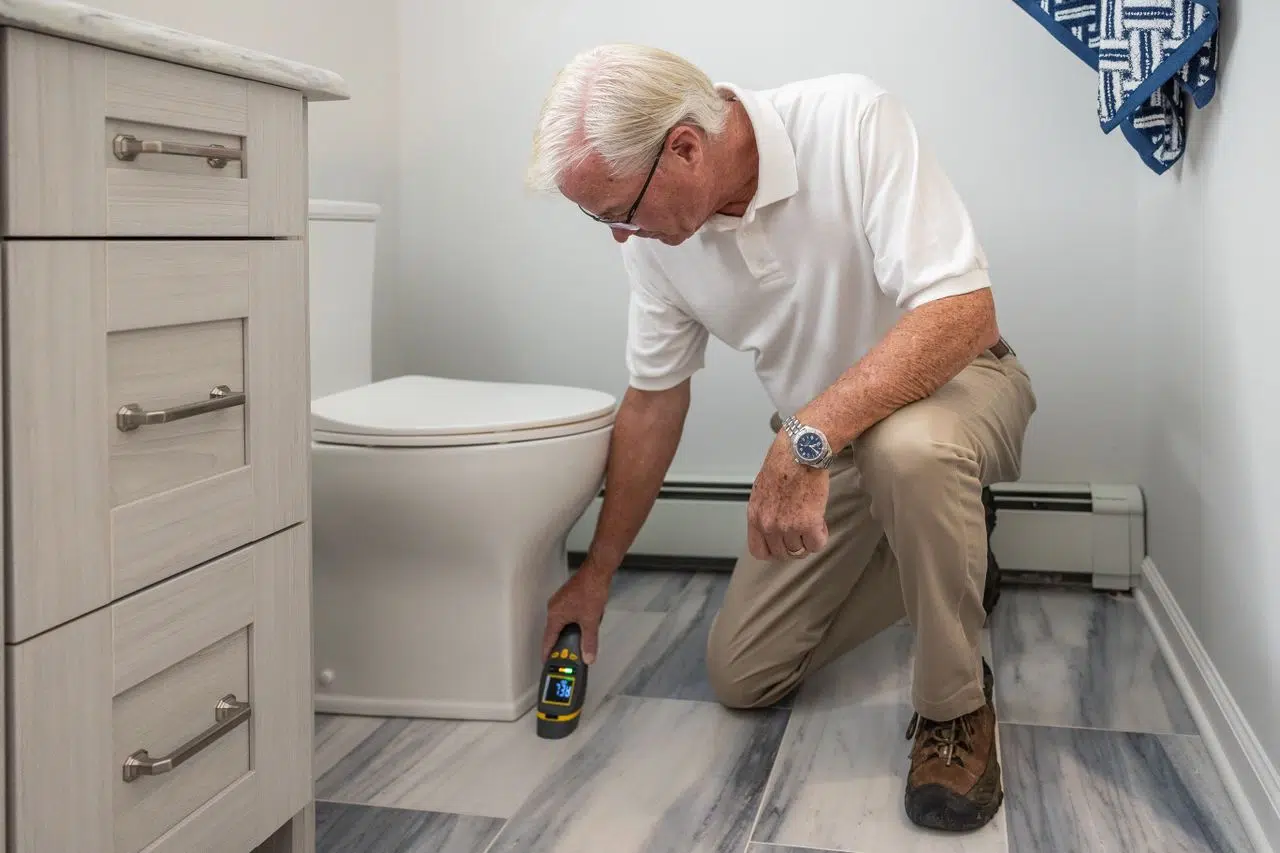
Conducting regular visual inspections of your living space can help identify potential problems before they escalate. Pay attention to signs of moisture, water stains, unusual odors, cracks, peeling paint, or malfunctioning appliances.
When a problem is discovered, notify the landlord or property manager promptly. Written communication is generally preferable because it creates a record of the report. Emails, maintenance requests, and dated photographs can all serve as useful documentation.
Keeping copies of all communications helps protect tenants if disputes arise later regarding repair responsibilities or response times.
Prompt reporting not only protects the property but may also help prevent damage to personal belongings.
The sooner issues are addressed, the easier they are to resolve.
Protecting Personal Belongings and Important Records
Many renters focus primarily on the property itself while overlooking the value of their personal belongings. However, replacing furniture, electronics, clothing, and household items can become expensive after an unexpected event.
Creating a home inventory is an excellent way to prepare for potential losses. Photographs, videos, receipts, and written records can help document possessions and simplify future claims if necessary.
Digital storage provides additional protection. Keeping copies of important records in cloud storage ensures that documents remain accessible even if physical copies are damaged.
Important paperwork such as lease agreements, identification documents, financial records, and insurance information should also be stored securely.
Emergency preparedness extends beyond documentation. Having backup chargers, emergency supplies, and important contact information readily available can help renters respond more effectively during unexpected situations.
While no one expects property problems to occur, preparation can significantly reduce the stress associated with managing them.
Being organized before an emergency often makes recovery much easier afterward.
Understanding Tenant Responsibilities
Protecting yourself as a renter also requires understanding your responsibilities under the lease agreement.
Many tenants sign leases without thoroughly reviewing the details. However, lease agreements often contain important information regarding maintenance obligations, reporting requirements, property use, and tenant responsibilities.
Knowing these requirements can help prevent misunderstandings and ensure compliance with lease terms.
For example, some leases require tenants to report maintenance issues within a specific timeframe. Failure to do so may complicate future disputes regarding responsibility for damages.
Following property rules also contributes to a safer living environment. Proper disposal of waste, routine cleaning, and responsible use of appliances can help reduce preventable issues.
Maintaining adequate ventilation, monitoring moisture levels, and promptly addressing leaks can also help minimize certain risks within the rental unit.
Being an informed and responsible tenant not only protects personal interests but can also contribute to a more positive relationship with landlords and property managers.
Knowledge remains one of the most valuable tools renters possess.
Building a Long-Term Property Protection Strategy
Protecting yourself from unexpected property issues is not a one-time task. It requires an ongoing commitment to awareness, preparation, and responsible decision-making.
Regularly reviewing insurance policies helps ensure that coverage remains appropriate as circumstances change. New purchases, lifestyle changes, and updated policy options may affect protection needs over time.
Developing good maintenance habits is equally important. Paying attention to small concerns, conducting routine inspections, and reporting problems promptly can help prevent larger issues from developing.
Financial preparedness also deserves consideration. Maintaining an emergency fund can provide valuable support when unexpected expenses arise.
Building strong communication with landlords and property managers can further improve problem resolution. Open communication often leads to quicker responses and better outcomes when issues occur.
Property protection is ultimately about reducing risk rather than eliminating it. While unexpected events cannot always be prevented, thoughtful preparation can help minimize their impact.
A proactive mindset creates greater confidence and resilience when challenges arise.
Unexpected property issues are an unavoidable reality of renting, but they do not have to become overwhelming. By understanding common risks, documenting concerns, protecting personal belongings, and reviewing available protections, renters can place themselves in a stronger position to manage unexpected situations.
Early reporting, clear communication, and familiarity with lease obligations help reduce misunderstandings and support faster problem resolution. At the same time, maintaining records and staying informed about insurance protections can provide valuable financial safeguards.
Preparation is often the key difference between a manageable inconvenience and a costly setback. Small actions such as conducting routine inspections, organizing important documents, and understanding policy details can make a significant impact over time.
Renters who take a proactive approach to property protection are often better equipped to handle challenges confidently and efficiently. With the right habits and preparation, it becomes much easier to protect both your home environment and your peace of mind.