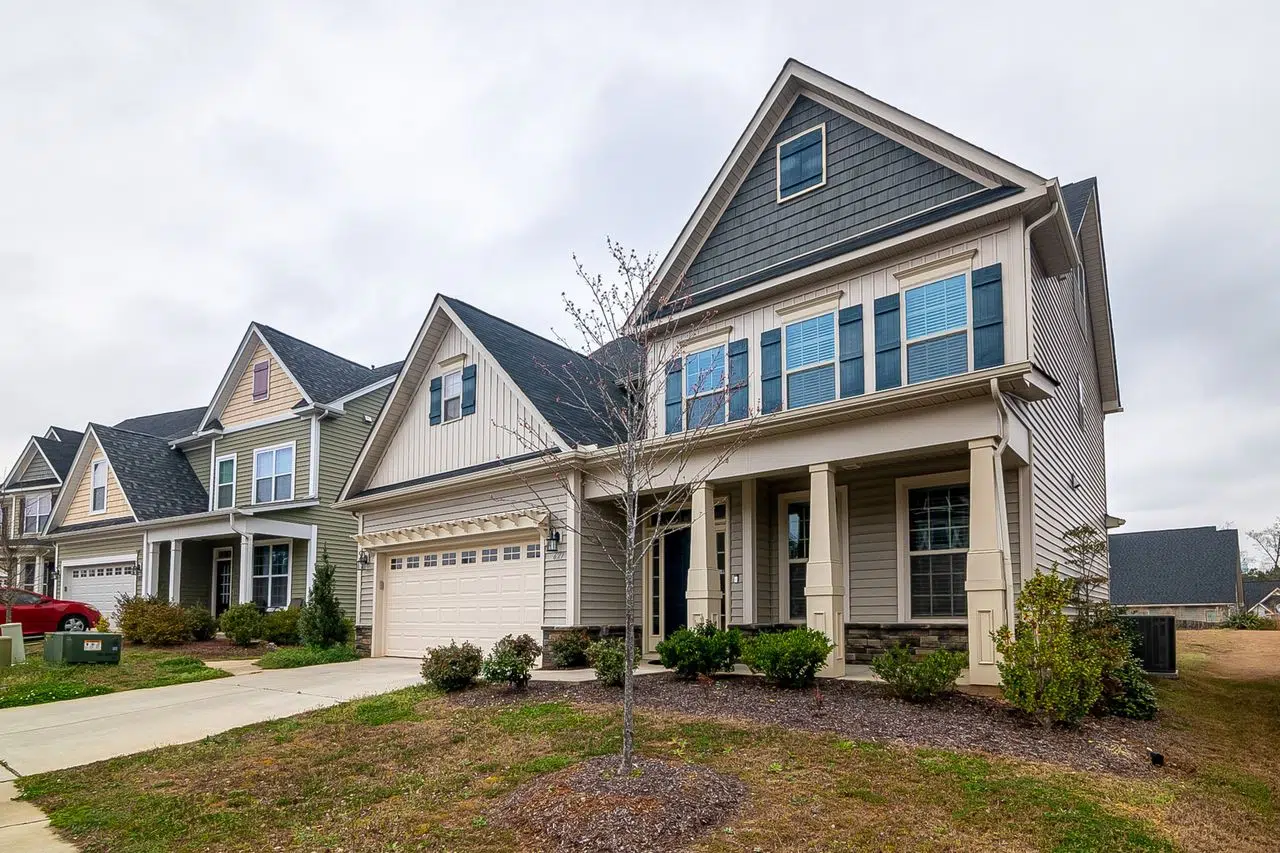
Trying to buy a home these days can feel a bit like chasing a moving target, especially when prices keep changing while paychecks seem to move at a much slower pace. Many people spend months comparing listings, adjusting budgets, and wondering if ownership is still realistic for them.
After years of watching housing markets shift through economic ups and downs, one thing has become clear: affordable homeownership has not disappeared. It is simply changing shape. Buyers are approaching the market differently, lenders are adapting to new needs, and housing options that were once overlooked are becoming part of the conversation. Understanding these changes can make a real difference when it comes to making smart decisions.
Affordable Housing Is Looking Different Than It Did Before
For decades, many buyers followed a familiar path. They searched for a traditional single-family house, secured financing, and settled into a neighborhood that matched their budget. That process still exists, but it is becoming harder for many households. Rising construction costs, limited inventory, and higher land prices have created challenges that affect both first-time buyers and those looking to move.
As a result, people are exploring alternatives that may have received less attention in the past. Smaller homes, modular properties, and factory-built housing are becoming more common choices. These options often provide a way to enter the housing market without taking on the same financial burden associated with larger properties. Buyers are not necessarily lowering their expectations. In many cases, they are simply adjusting their priorities.
Financing Options Are Expanding for Factory-Built Homes
The growing interest in alternative housing has led to changes in financing as well. For buyers exploring these housing choices, understanding available financing is often just as important as selecting the home itself. Options like manufactured home loans are getting a lot of attention.
Lenders have spent more time developing programs that recognize the unique characteristics of factory-built homes. As these properties become more accepted in communities across the country, financing solutions have evolved to support a wider range of buyers. The process can still vary depending on location, property type, and land ownership arrangements, but there are more options available today than many people realize. The goal is not simply finding funding, but finding financing that matches the property’s structure, ownership arrangement, and long-term affordability.
Technology Is Changing How Buyers Search
The home search process has become far more digital than it was even a few years ago. Buyers can compare neighborhoods, estimate monthly payments, review school information, and even take virtual tours without leaving their homes. What once required several appointments and stacks of paperwork can now be completed from a laptop during an evening after work.
At the same time, technology has created new expectations. Buyers often expect immediate information and quicker responses. Mortgage applications have become more streamlined in many cases, and document verification can happen electronically. While the process still involves plenty of paperwork, it generally moves more efficiently than it once did.
There is a downside, though. The amount of information available can be overwhelming. Some buyers spend so much time researching that they struggle to make decisions. Having access to data is useful, but experience and practical judgment still matter.
Flexibility Matters More Than Square Footage
One interesting shift in buyer behavior is the growing focus on flexibility. Larger homes are no longer the automatic goal for everyone. Instead, buyers are asking different questions. Can the space support remote work? Is maintenance manageable? Does the home fit future lifestyle changes?
This change became more noticeable as remote and hybrid work arrangements expanded. Many households realized they could prioritize affordability, location, or quality of life rather than simply maximizing square footage. In some areas, buyers are moving farther from city centers if it allows them to find better value. That does not mean everyone is leaving urban areas behind. Preferences remain highly personal. Still, flexibility has become a major factor in purchase decisions, and it is likely to remain important for years to come.
Energy Efficiency Is Becoming a Financial Consideration
Affordable homeownership is not only about the purchase price. Monthly operating costs matter just as much. A home with lower utility bills can significantly affect a household budget over time. Because of this, energy efficiency is receiving more attention from buyers. Features such as improved insulation, energy-efficient appliances, and modern heating systems are becoming practical considerations rather than luxury upgrades. Many buyers now calculate long-term operating expenses alongside mortgage payments when evaluating a property.
Manufacturers and builders have responded to this trend as well. New housing designs often incorporate efficiency improvements from the start, helping reduce ongoing expenses without requiring major renovations later.
Demographics Are Reshaping the Market
Population changes are also influencing the future of homeownership. Younger buyers are entering the market with different expectations than previous generations. Many have experienced periods of economic uncertainty and are cautious about taking on excessive debt.
At the same time, older homeowners are making different housing decisions. Some are downsizing to reduce maintenance responsibilities, while others are looking for properties that better support aging in place. These shifting preferences create demand for a wider variety of housing options.
The result is a market that looks less uniform than it once did. Buyers are no longer following a single path toward ownership. There are multiple routes, each shaped by individual financial circumstances, lifestyle needs, and long-term goals.
A More Practical Approach to Ownership
The future of affordable homeownership will likely be defined by practicality rather than tradition. Buyers are paying closer attention to overall costs, financing structures, maintenance requirements, and long-term value. They are asking tougher questions before making commitments, which is probably a healthy adjustment.
Housing markets will continue to change. Interest rates will move, inventory levels will fluctuate, and economic conditions will shift. Those factors are difficult to predict with certainty. What remains consistent is the importance of understanding available options and approaching homeownership with realistic expectations.
For today’s buyers, success often comes from flexibility and informed decision-making rather than following outdated assumptions. The definition of an affordable home may continue to evolve, but opportunities still exist for those willing to look beyond traditional paths and understand the trends shaping the market ahead.