A pinhole leak behind a wall might seem minor. But left undetected for a few months, that same leak can rot framing, grow mold, destroy drywall, and land you with a repair bill that dwarfs what a full repiping would have cost. For rental property owners, aging plumbing is one of those slow-moving risks that rarely gets the attention it deserves until something goes wrong at the worst possible time.
This article breaks down what whole house repiping actually involves, when it becomes necessary, how it affects your rental income, and why it deserves a place in any serious property investment strategy.
What Is Whole House Repiping and Why Does It Matter?
Whole house repiping is exactly what it sounds like. Every water supply line in a property gets replaced, from the main inlet through to each fixture. It is a significant project, typically taking two to five days depending on the size of the home, but it is not as disruptive as most owners expect.
The work usually involves opening walls at access points, removing old pipe, running new material through the structure, and closing everything back up. A competent plumbing contractor will patch and prep drywall as part of the job, so you are not left with a gutted interior.
What makes this relevant to landlords specifically is the downstream effect on maintenance costs, tenant satisfaction, and property value. A property with corroded galvanized steel or polybutylene pipes is a liability. One with modern PEX or copper supply lines is a much cleaner asset to manage.
Common Signs a Rental Property Needs Repiping
Most landlords do not discover plumbing problems during calm periods. They discover them during a tenant call at 7 am on a Saturday. Knowing what to look for ahead of time changes the equation.
Signs that point toward a repiping evaluation:
- Consistently low water pressure throughout the property, not just at one fixture
- Discolored water, particularly brown or orange tints, indicating corrosion inside the pipes
- Frequent leaks, even small ones, especially if they keep appearing in different locations
- Pipes that are original to a home built before 1990
- Noisy pipes, including banging, rattling, or a persistent hum when water runs
Galvanized steel pipes, common in homes built before the 1970s, have a lifespan of roughly 40 to 70 years. Polybutylene pipes, installed widely between the late 1970s and mid-1990s, are particularly problematic because they degrade from the inside out and can fail without visible warning. If a property has either material, a professional assessment is worth scheduling sooner rather than later.
The Cost of Waiting Versus the Cost of Acting
There is a predictable pattern in deferred plumbing maintenance. The owner avoids the repiping cost, handles individual leaks as they appear, and gradually spends more in reactive repairs than the upfront project would have required. Meanwhile, the tenant experience deteriorates, vacancy risk increases, and the property ages less gracefully.
According to the Insurance Information Institute, water damage is consistently among the most common and costly home insurance claims. For rental properties, the complication is doubled because water damage can displace tenants, trigger lease disputes, and result in code compliance issues depending on how severe the damage becomes.
A full repiping typically runs between $4,000 and $15,000 for a single-family home, varying by size, pipe material chosen, and regional labor rates. That range sounds wide, but it becomes easier to interpret when compared against the cost of a mold remediation job, which routinely exceeds $10,000 for a moderate case, or the cost of extended vacancy while repairs are completed.
Choosing the Right Pipe Material
The pipe material selected during a repiping project matters more than most people realize. Each option has different characteristics, and the right choice depends on the property type, local water quality, and budget.
PEX (cross-linked polyethylene): PEX has become the dominant choice for residential repiping over the past decade. It is flexible, which means fewer fittings and faster installation. It handles freezing better than rigid materials. It resists scale buildup. And it costs significantly less to install than copper. For rental properties where cost-efficiency and durability both matter, PEX is often the strongest candidate.
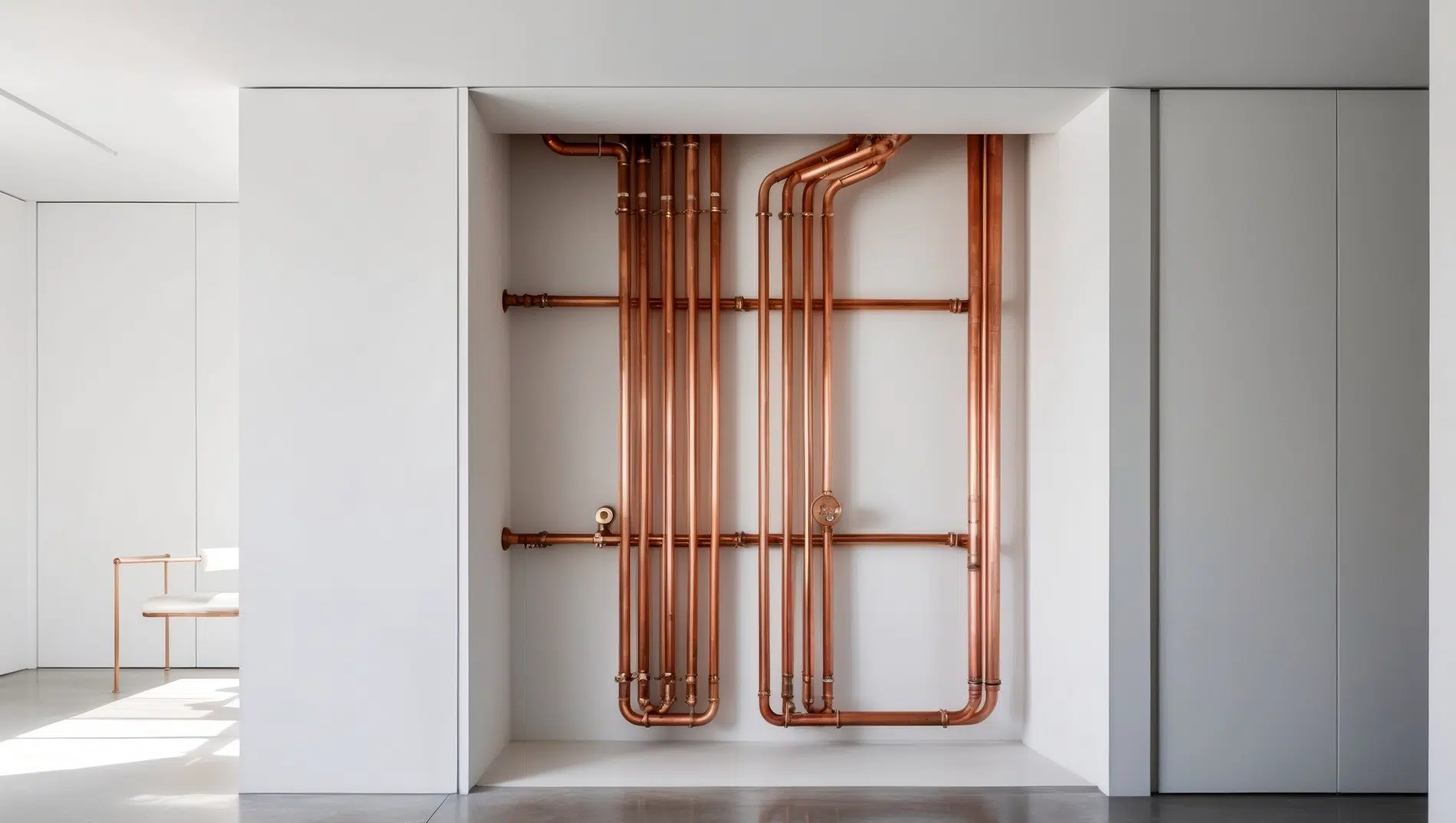
Copper: Copper has a long track record and is still the preferred material in many markets. It is rigid, which can be an advantage in certain configurations. It is fully recyclable, which appeals to some buyers if the property is eventually sold. The downside is cost: copper piping runs materially higher per linear foot than PEX, and the labor is more involved.
CPVC (chlorinated polyvinyl chloride): CPVC is a budget-friendly option sometimes used in warmer climates. It handles hot water well and resists corrosion, but it is more brittle than PEX and can crack under stress. Less common now than it was twenty years ago, but still used in certain regional markets.
For most rental property contexts, PEX tends to deliver the best balance of cost, durability, and installation speed.
How Repiping Fits Into a Broader Property Management Strategy
Plumbing is not the most glamorous part of property management, but it is one of the most consequential. A well-maintained rental generates consistent income. One with recurring infrastructure problems generates recurring headaches, and the two are often directly connected.
This is particularly relevant for investors who own multiple properties or who are scaling a portfolio. Every deferred capital expense creates a hidden liability on the balance sheet. Repiping, like roof replacement or electrical panel upgrades, is one of those capital investments that tends to pay for itself over time through lower maintenance costs, better tenant retention, and stronger property valuations.
Firms that specialize in rental property operations understand this calculus well. Advantage Property Management, for example, works extensively with Memphis-area investors who are managing both local and out-of-state portfolios. A recurring theme in that market, and in most maturing rental markets, is that properties managed proactively outperform those managed reactively over any meaningful time horizon.
Working with a Plumbing Contractor: What to Expect
Not all repiping contractors approach the job the same way. Getting this part right matters as much as the material choice.
Key questions to ask before hiring:
- Do they pull the required permits? Any reputable contractor will. If someone suggests skipping permits, walk away.
- Will they handle the drywall patching, or will you need a separate contractor for that?
- What warranty do they offer on both materials and labor?
- Can they provide references from comparable projects, ideally rental properties or multi-unit work?
- What is the projected timeline, and how will they communicate progress?
Get at least three quotes. Pricing varies meaningfully between contractors, and the lowest bid is not always the right choice, but neither is the highest. Look for experience, transparency, and a clear scope of work in the written estimate.
Repiping and BRRRR Investors: A Natural Fit
For investors using the BRRRR strategy (Buy, Rehab, Rent, Refinance, Repeat), whole house repiping is often part of the rehabilitation phase. This is actually an ideal time to address plumbing because walls are often already opened for other work, which reduces the additional labor cost significantly.
Tackling repiping during a rehab also makes the property more attractive for appraisal, which directly affects the refinance step of the strategy. Appraisers and lenders pay attention to the condition of major systems. A freshly repiped property with modern PEX supply lines signals a well-maintained, lower-risk asset, which can support a stronger appraised value.
For investors managing that kind of project, having a property management partner who understands the full scope of renovation-to-rental transitions is valuable. The Advantage Property Management Services page outlines support available to investors across the full lifecycle, from initial rehab coordination through ongoing tenant placement and maintenance management.
Key Takeaways
- Aging pipes made from galvanized steel or polybutylene represent a measurable risk to rental properties and should be evaluated proactively, not reactively.
- PEX is currently the most practical pipe material for most rental property repiping projects, offering a strong combination of cost, durability, and installation efficiency.
- Whole house repiping typically costs between $4,000 and $15,000 for a single-family home, an amount that compares favorably to the downstream costs of water damage, mold remediation, or extended vacancy.
- BRRRR investors benefit from completing repiping during the rehab phase, when walls may already be open and the upgrade directly supports a stronger refinance appraisal.
- Working with a property management partner who understands capital improvement planning helps rental property owners treat infrastructure decisions as investment decisions, not just maintenance decisions.
Frequently Asked Questions
How long does a whole house repiping take? For most single-family homes, the plumbing work itself takes two to four days. Add another day or two if drywall patching and painting are included in the scope. Tenants can usually remain in the property during the process, though water will need to be shut off during working hours.
Does repiping require tenants to vacate? Not always. Most contractors can schedule the work in stages to minimize disruption. However, if the property has significant access challenges or the scope is particularly large, a short temporary relocation may be practical. This is worth clarifying with the contractor before the project starts.
Will repiping increase the property’s value? It can. Updated plumbing is a positive factor in appraisals and home inspections. It also makes the property more attractive to quality tenants who notice things like consistent water pressure and no rusty water. The value impact varies by market, but the risk reduction alone makes it worthwhile for most rental investors.
How do I know if my rental has polybutylene pipes? Polybutylene pipes are typically gray in color and may be labeled “PB” or stamped with a code. They are usually visible at the water meter, under sinks, or where pipes connect to the water heater. If the property was built between 1978 and 1995, it is worth having a plumber inspect the supply lines as a precaution.
Is repiping covered by landlord insurance? The repiping itself is generally not covered, as it is considered a capital improvement rather than sudden damage. However, water damage caused by a pipe failure may be covered depending on the policy. It is worth reviewing coverage limits and exclusions with your insurance broker if plumbing condition is a concern.
Conclusion
Whole house repiping is one of those investments that rarely generates excitement until you realize how much it protects. For rental property owners, the real value is not just in the new pipes. It is in the tenant calls that never happen, the water damage claims that never get filed, and the inspection reports that come back clean.
Treating plumbing infrastructure as a planned capital decision rather than an emergency response changes how a portfolio performs over time. The owners who manage properties that way tend to have fewer surprises, lower long-term costs, and more stable returns. That is the outcome every serious rental investor is ultimately working toward.