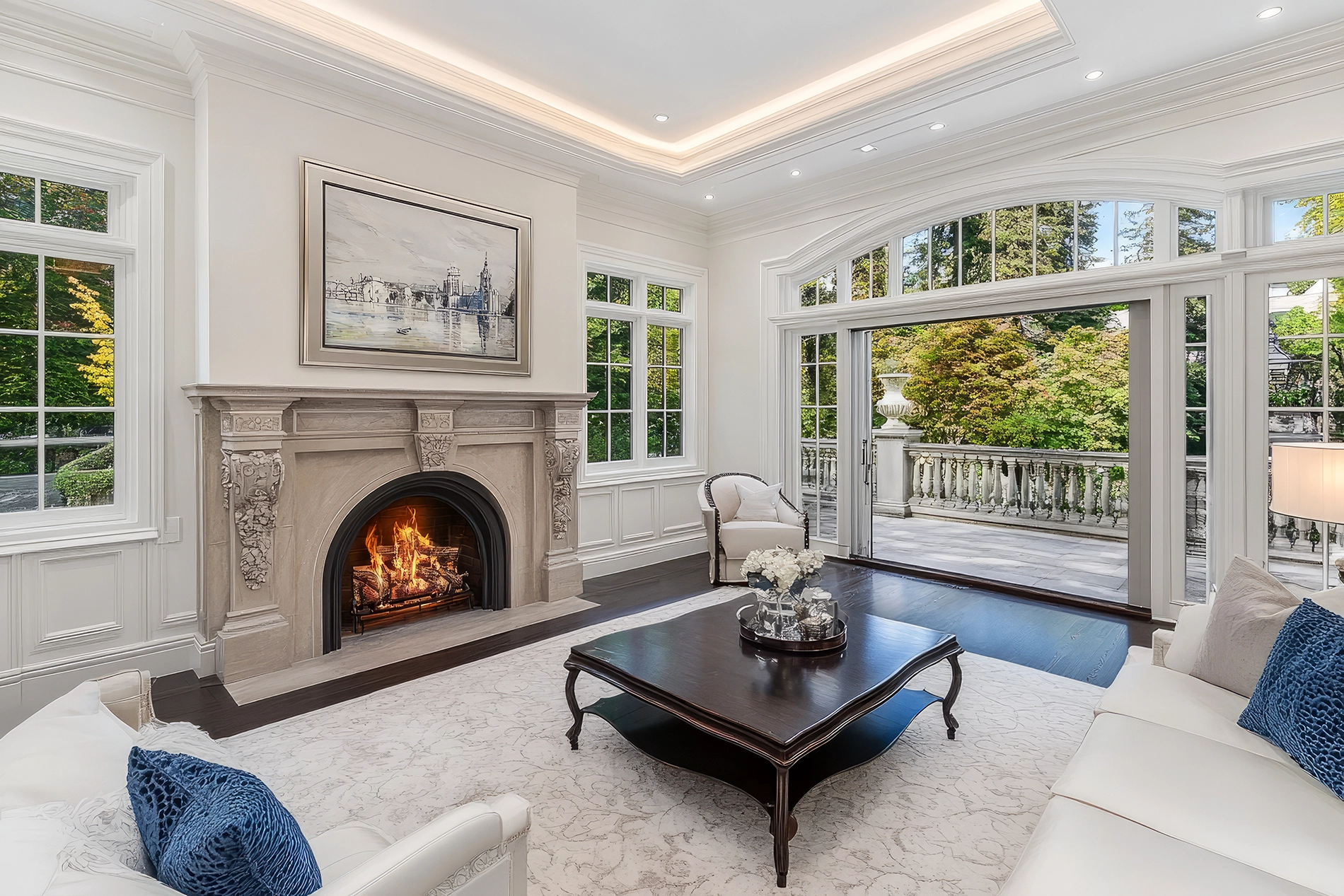
The secret to moving into a new home without the chaos is to design before you unpack. Measure every room and draw a scaled floor plan, decide furniture placement in advance, and plan a cohesive whole-home colour scheme anchored on the hallway. Prioritise the rooms you use most, paint before the furniture arrives, and hand your movers a copy of the layout so large pieces land in the right place first time. Build mood boards, layer accessories last, and let the space tell you how you live before committing to the big purchases.
Measure Up and Draw a Floor Plan First
Good interior design begins with a tape measure, not a paint chart. Record the width, length, and ceiling height of every room, then note the fixed elements that dictate everything else: window positions, door swings, radiators, sockets, switches, and any alcoves or fireplaces. Measuring doorways, hallways, and staircase widths is just as important, because there is little point shipping a sofa that cannot physically reach the room it was bought for.
Turn those measurements into a scaled plan on graph paper or a free online room planner, and make several copies so you can experiment freely. Deciding now which room becomes the bedroom, the study, or the nursery saves frantic decisions later, and a clear plan quickly reveals what will fit and what will not. This single step does more to calm a move into a new home than almost anything else you can do in advance.
Plan Furniture Placement Before the Van Arrives
Once the plan is drawn, work out where each piece will live before moving day rather than directing traffic from the doorway while the clock runs. Cut scaled templates of your furniture and shuffle them around the plan to test arrangements, leaving sensible clearances, roughly a couple of inches off the walls, generous space in front of doors, and clear walkways so the room breathes. Knowing the layout in advance is the difference between a calm unload and complete havoc.
Crucially, give your movers a copy of that layout so the heavy pieces are set down exactly where they belong the first time, with no exhausting rearranging afterwards. Whether you are using apartment movers for a flat or residential movers for a house, booking reliable moving services that will place furniture to a plan turns the hardest part of the day into a quick, orderly process. Bring only what fits, and the whole move becomes lighter and faster.
Plan a Cohesive Whole-Home Colour Scheme
Decorating one room in isolation is how homes end up feeling disjointed. Decide your overall style first, then plan a colour scheme that flows from space to space, starting with the hallway, the spine of the home that connects every other room. An average house needs only five or six colours in total: a calm neutral backdrop, one or two primary tones, and an accent or two repeated in small touches to lead the eye on a gentle visual journey.
Let the things you cannot easily change anchor the palette: your flooring, worktops, tiles, and woodwork, and gather samples together so you can judge them as a group. Colour shapes mood, so decide whether each room should soothe or energise before you commit, and always view samples in the actual room under both daylight and lamplight, since a shade can shift dramatically between the two. Repainting is the cheapest mistake to fix, but planning holistically means you rarely need to.
Paint and Decorate Before the Furniture Lands
There is a natural order to setting up a new home, and paint comes near the top of it. Decorating an empty room is faster, cleaner, and far less stressful than working around boxes and furniture, so tackle painting, wallpapering, panelling, or sanding floors before the van arrives wherever the timings allow. If you are buying new pieces, a fresh palette also gives you the freedom to match furnishings to the walls rather than the other way around.
Treat the blank canvas as an opportunity, not a chore. The same window of opportunity is ideal for hanging curtains or blinds for instant privacy, fitting light fittings, and laying rugs, so you step into a space that already feels considered. A little decorating done before move-in spares you the disruption of redoing a freshly furnished room, and it lets the bones of the home set the tone for everything you bring into it.
Prioritise the Rooms You Actually Live In
You do not have to finish the whole house at once, and trying to will only exhaust you. Prioritise the rooms you rely on immediately: the bedrooms and bathroom so you can rest and wash, then the kitchen and the living room as the daily hub. Guest rooms, formal spaces, and the loft can wait their turn, and labelling boxes by room and priority makes this phased approach effortless to unpack.
It also pays to live in a space before you furnish it fully. A few weeks in the home teach you how the light moves, where you naturally gather, and how each room really functions, often quite differently from what you imagined on paper. That patience saves money and regret, letting you buy the right pieces once rather than the wrong ones twice, and it keeps the early days of a move focused on comfort rather than perfection.
Mood Boards, Layering, and Making It Home
A mood board is the cheapest insurance in decorating, because it lets you make your mistakes on paper rather than with your wallet. Gather images of rooms you love, spot the recurring themes, and pull together paint cards, fabric swatches, and furniture pictures until the scheme clearly works as a whole. Build one per room, starting with the spaces you use most and anchoring each on a single inspiration piece, and you will shop with confidence instead of second-guessing every choice.
Bring the room together by layering from large to small: the bed, sofa, or table first as the foundation, then window treatments, art, cushions, rugs, and lighting to add warmth and texture. Resist the matching-set instinct, since a look collected over time has far more character, and finish with the personal touches, photographs, plants, and meaningful objects that turn a freshly painted house into a home. Done in this order, moving into a new home feels less like an ordeal and more like the start of something.