Air conditioning systems work hardest during periods of extreme heat, and without proper maintenance, they can quickly lose efficiency, increase energy consumption, and develop costly problems. Many homeowners overlook small maintenance habits that directly affect cooling performance, indoor comfort, and monthly utility bills. The good news is that keeping an air conditioning system efficient does not always require major upgrades or expensive repairs. Consistent care, smart usage habits, and preventive maintenance can significantly extend the system’s lifespan while improving performance throughout the year.
Most HVAC professionals recommend checking filters monthly and replacing them every 1–3 months, depending on usage, household size, pets, and indoor air quality. Clean filters improve airflow, maintain consistent temperatures, and help reduce the circulation of allergens throughout the home. It is one of the simplest and most affordable ways to improve overall system performance.
1. Replace Air Filters Regularly
Dirty air filters are one of the most common causes of reduced AC efficiency. When filters become clogged with dust, pet hair, and debris, airflow becomes restricted, forcing the system to work harder to cool the home. This added strain increases energy consumption and may shorten the lifespan of critical components such as the blower motor and compressor.
Working with experienced AC repair experts can also help homeowners identify hidden issues before they become serious breakdowns. Alongside professional inspections, practical everyday habits play a major role in maintaining reliable cooling and reducing unnecessary strain on HVAC equipment.
2. Keep Outdoor Units Clean and Unobstructed
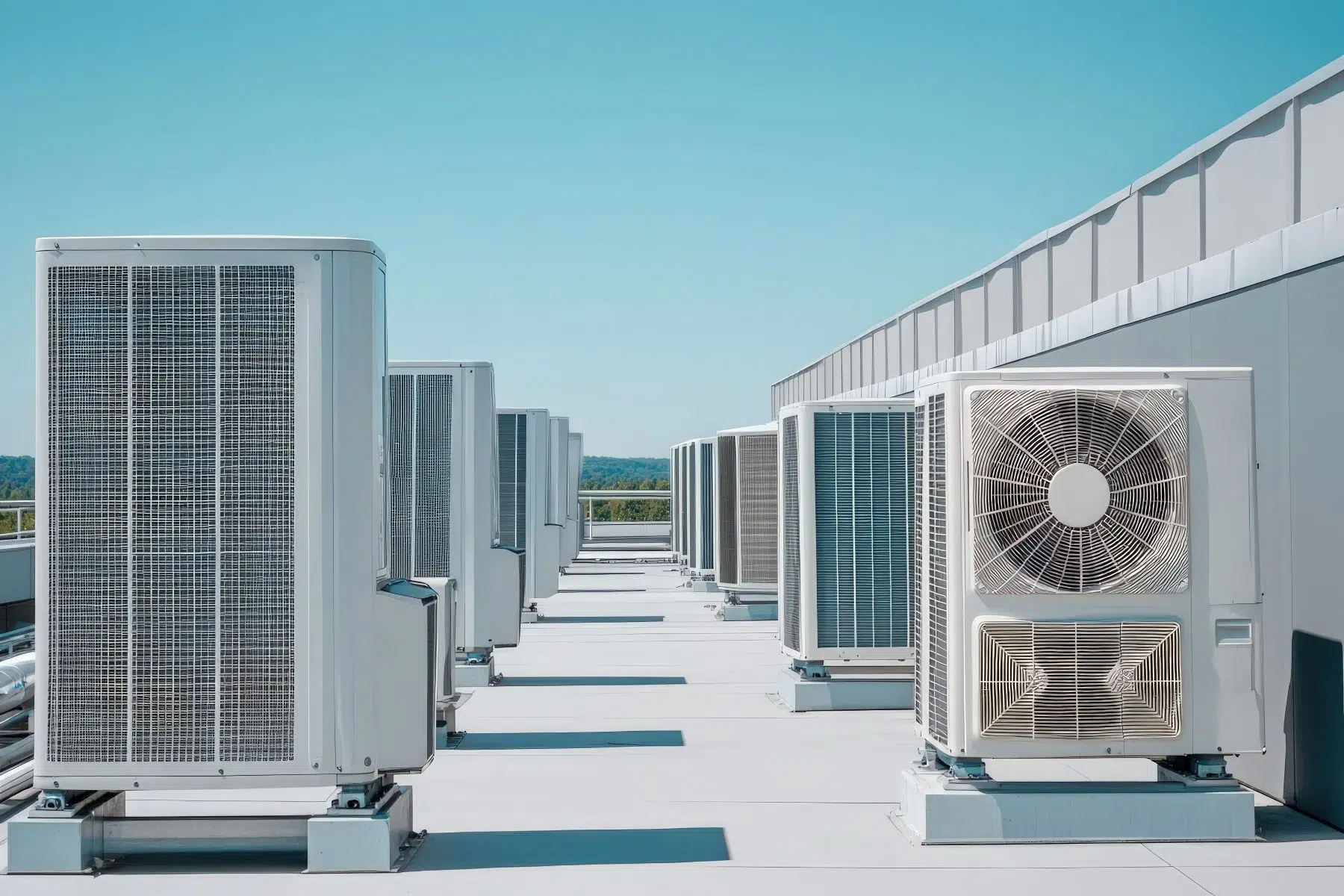
The outdoor condenser unit needs proper airflow to release heat efficiently. Leaves, dirt, grass clippings, and overgrown vegetation around the unit can block airflow and reduce cooling performance. When airflow becomes restricted, the system uses more energy to achieve the desired temperature.
Homeowners should maintain at least two feet of clear space around the condenser unit and regularly remove debris from the surrounding area. Gently rinsing the condenser coils with a garden hose can also help remove dirt buildup. Keeping the outdoor unit clean allows the system to operate more efficiently during high-demand seasons.
3. Use a Programmable or Smart Thermostat
Modern thermostats help regulate indoor temperatures more efficiently while reducing unnecessary cooling cycles. A programmable or smart thermostat allows homeowners to adjust temperatures automatically based on occupancy and daily schedules.
For example:
- Raise the temperature slightly while away from home
- Schedule cooling before returning home
- Reduce overnight cooling demands
- Monitor energy usage patterns
Even small thermostat adjustments can significantly reduce energy costs over time. Smart thermostats also help prevent systems from running continuously during periods when cooling is not needed.
4. Seal Air Leaks Around the Home
Poor insulation and air leaks force air conditioning systems to work harder because cooled air escapes through gaps around doors, windows, attics, and ductwork. This wasted energy increases cooling costs while reducing indoor comfort.
Simple improvements such as weatherstripping, caulking gaps, and sealing duct leaks can significantly improve cooling efficiency. Homes with better insulation maintain more stable indoor temperatures, reducing strain on HVAC equipment during peak summer conditions.
5. Schedule Professional Maintenance Annually
Routine professional maintenance is essential for long-term HVAC efficiency. Annual inspections help identify worn components, refrigerant issues, electrical problems, and airflow restrictions before they become major repairs.
Professional AC repair experts typically inspect:
- Refrigerant levels
- Electrical connections
- Thermostat calibration
- Evaporator and condenser coils
- Drain lines
- Fan motors and belts
Preventive maintenance improves system reliability, reduces the risk of breakdowns, and helps meet manufacturer warranty requirements. Many energy-efficiency issues develop gradually and may go unnoticed without a professional inspection.
6. Avoid Overworking the System During Peak Heat
Constantly lowering thermostat settings during extremely hot weather can place unnecessary stress on the system. Air conditioners cool gradually, and dramatically lowering temperatures does not cool the home faster. Instead, it forces longer operating cycles and increases energy consumption.
Homeowners can reduce cooling strain by:
- Using ceiling fans to improve air circulation
- Closing blinds during peak sunlight hours
- Limiting heat-producing appliances during the day
- Keeping interior doors open for balanced airflow
These habits help the system maintain comfort more efficiently without excessive workload.
FAQs
How often should air conditioning filters be replaced?
Most air conditioning filters should be replaced every one to three months, depending on system usage, indoor air quality, pets, and household conditions. Dirty filters restrict airflow and reduce efficiency, causing the system to work harder and consume more energy over time.
Why is my air conditioner running but not cooling efficiently?
Poor cooling performance can result from dirty filters, low refrigerant levels, blocked condenser units, thermostat issues, or airflow restrictions. Professional inspections can help identify the exact cause and prevent further strain on the HVAC system.
Does a smart thermostat really improve AC efficiency?
Yes, smart thermostats help reduce unnecessary cooling cycles by automatically adjusting temperatures based on occupancy and schedules. This improves energy efficiency, lowers utility costs, and reduces wear on the air conditioning system over time.
How often should HVAC systems receive professional maintenance?
Most HVAC systems should receive professional maintenance at least once per year, ideally before the peak summer season. Routine inspections help identify developing issues early and ensure the system operates safely and efficiently.
Conclusion
Keeping an air conditioning system running efficiently requires a combination of preventative maintenance, smart energy habits, and regular professional care. Simple steps such as replacing filters, sealing air leaks, cleaning outdoor units, and using programmable thermostats can significantly improve cooling performance while lowering utility costs. Regular inspections also help detect problems early, before they become expensive repairs or system failures. With consistent maintenance and responsible usage, homeowners can extend the lifespan of their HVAC system, improve indoor comfort, and maintain reliable cooling performance throughout the year.