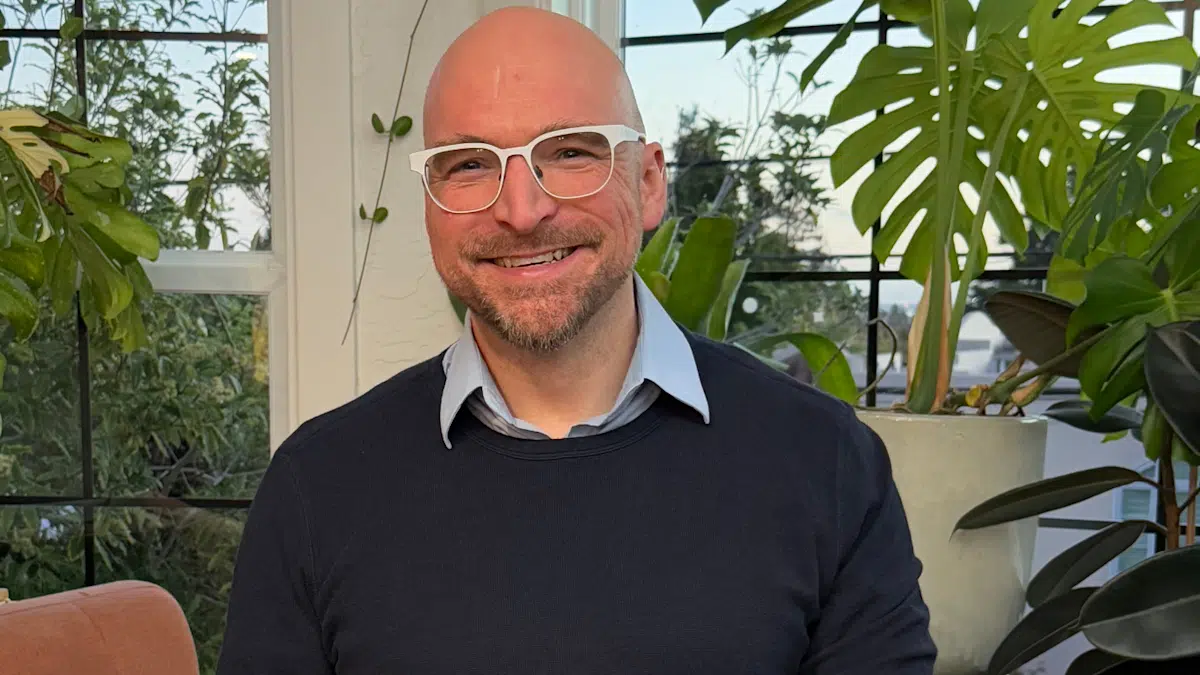
Photo Courtesy of Tethral
You are walking out the door to a fundraiser. The house needs to shift from family evening to away mode. Lights should step down. The climate should settle into its overnight profile. The security system should be armed. Your morning briefing should already be queued for when you get back, with tomorrow’s schedule pulled together and the house ready to wake up at the right time. None of this should require your attention. You are thinking about the event, not the management. Someone else should handle that for you.
This is not a fantasy. It is what a chief-of-staff does, and it is exactly what most smart home technology fails to deliver despite a decade of promises. The devices exist. The intelligence does not. Or rather, it does now.
A Chief-of-Staff, Not a Control Panel
Tethral could be best understood not as a technology product but as a new kind of household chief-of-staff. It is an AI executive assistant that manages your home, coordinates your environment with your schedule, and handles the logistics of daily life so you do not have to think about them. You speak to it the way you would speak to someone who knows your preferences. “I am leaving in ten minutes.” “Quiet morning tomorrow.” “We are hosting on Saturday.” It handles the rest.
What makes this different from the voice assistants already in the house is scope and intelligence. Siri can turn off a light. Tethral can prepare your home for a dinner party, adjust the environment through the evening as it progresses, manage what is happening digitally while you are focused on your guests, and have the house reset by the time you wake up. It thinks in terms of your life, not individual switches.
John Lunsford, who built Tethral after research at Cornell, MIT, and Oxford, and several years as a senior AI and safety lead, designed it around a principle borrowed from the best service experiences. “A great house manager never asks you how to do their job,” he says. “They learn your preferences, anticipate what is needed, and handle it. That is what your home should do.”
It Knows Everything It Needs to Know
A chief-of-staff is only as good as the trust you place in them. They know your schedule, your preferences, your rhythms, who to let through, and who to hold at the gate. That knowledge is what makes them effective. Without it, they are just another assistant asking what you want for the third time today.
Tethral operates on the same principle. It learns how you live so it can run things properly. The difference between Tethral and the platforms most homes rely on is who holds authority over that knowledge. With most systems, the platform decides what it learns and what it does with what it learns. With Tethral, you set the terms. You decide what connects, what coordinates, and how your environment responds. The intelligence works for you, on your terms, with the discretion you would expect from anyone you trust with the keys.
Your home knows how to take care of you. And you decide what that looks like.
Beyond the Property Line
The chief-of-staff does not clock out when you leave the house. Tethral connects your physical environment to the rhythm of your day, bridging your schedule, your preferences, and your spaces. Set a travel day in motion from the car, and the home adjusts while you are in the air. A morning routine does not just prepare the rooms. It organizes your time, manages what reaches you, and creates the conditions for a productive or restful start depending on what the day requires.
The promise is not a smarter home. It is a managed life. The technology handles the coordination between your physical spaces and your daily logistics so that you stay focused on the things that actually require your presence, your judgment, and your attention.
Why Now
Tethral launched at CES and is building its early community deliberately. Lunsford is not chasing mass adoption. He is building for people who already expect a certain standard from their environments and understand the value of having the right systems in place before everyone else discovers them.
The era of managing your own smart home is ending. The chief-of-staff era is beginning. And the people who adopt it first will wonder how they tolerated anything else.