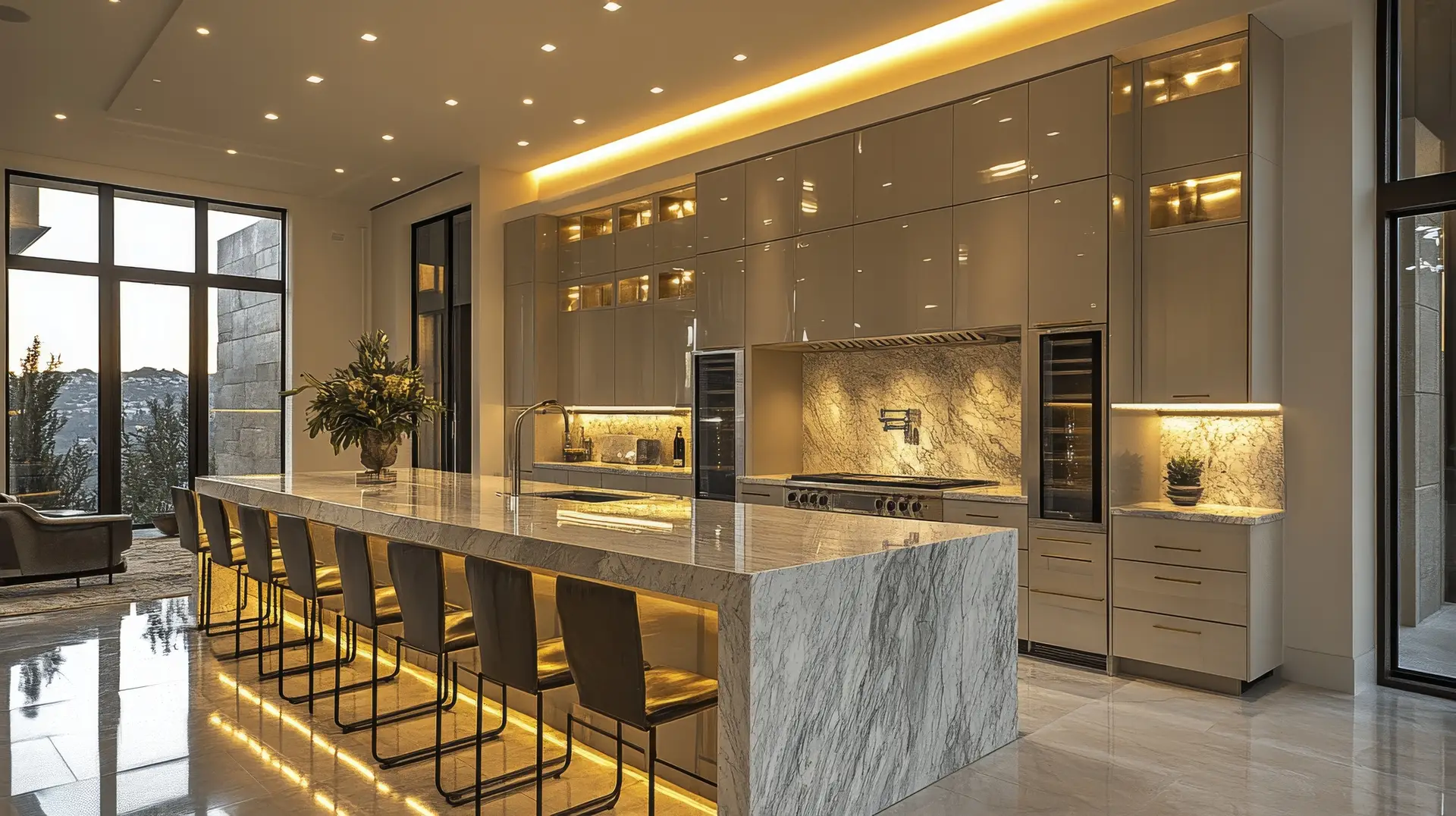
A well-designed kitchen feels balanced from top to bottom. Each finish works together to create a space that feels smooth and uncluttered. Planning the layout around focal points can turn a plain room into a polished showpiece.
Matching hardware, consistent materials, and complementary colors can transform a kitchen. Thoughtful choices create harmony across counters, walls, cabinets, and floors.
Matching Materials Create Seamless Visual Flow
Choosing finishes for countertops and walls can be challenging. Reliable kitchen cabinetry advice can help homeowners match colors and materials during a remodel. Using two complementary color families keeps the space balanced.
Brushed brass and matte black are popular options that can add style without making the room feel busy. Countertop materials should work well with nearby wall surfaces. Quartz with subtle veining can connect dark lower cabinets with soft white upper shelving. Smooth stone surfaces reflect light and tie nearby areas together.
Wood tones on the kitchen island should work with wood accents on open shelves. Matching wood colors and grains prevent sharp color changes in an open floor plan.
Strategic Hardware and Fixture Placement
Cabinet handles and drawer pulls add small but important design details. Matching their shapes and finishes creates a unified look. Simple knobs on upper cabinets can pair well with matching pulls on lower drawers.
Lighting fixtures should match the style of the kitchen hardware. Pendant lights above an island work well when their metal frames match the main faucet. Consistent fixture styles reduce visual clutter.
Hinges and other metal details also deserve attention. Exposed hinges should match cabinet pulls for a consistent look. Concealed soft-close hinges offer another option and keep cabinet fronts clean. Handle size matters on wide drawers. Long bar pulls can balance wide drawers, while smaller knobs work well on narrow cabinet doors.
Smart Storage Solutions Keep Surfaces Clear
Clutter can quickly take away from a clean kitchen design. Built-in pantries keep everyday items out of sight. Clear counters allow marble, granite, or quartz surfaces to stand out. Functional storage features can keep surfaces neat:
- Hidden trash bins behind lower cabinet doors
- Deep drawers for heavy pots and cookware
- Concealed appliance garages with internal outlets
- Built-in spice racks near cooking areas
- Pull-out tray dividers for baking sheets
Placing large appliances behind matching cabinet panels creates smooth, continuous walls. Concealing a refrigerator can create clean lines on a long wall.
Deep drawer organizers keep utensils off the counters. Custom inserts can hold cutlery in separate sections. Dedicated tray slots can keep baking sheets and cutting boards organized.
Balanced Color Palettes and Contrast
Two-tone cabinets can add character without making the kitchen feel crowded. Dark lower cabinets can anchor the room, while lighter upper cabinets make the space feel more open. This color split can make low ceilings appear taller.
Backsplash tiles should connect the countertops with the upper cabinets. Light gray tile with simple grout works well with soft white cabinets. Subtle colors connect nearby materials without becoming the main focus.
Wall paint should support the cabinet colors. Warm off-white paint can soften dark charcoal cabinets and create smooth transitions. Neutral wall colors allow custom woodwork to stand out.
Create a Kitchen That Feels Complete and Timeless
A unified kitchen comes down to thoughtful choices across every surface. Matching finishes, reducing clutter, and balancing colors can turn separate design elements into one complete space. Careful planning can give your kitchen a clean and lasting style. Want to stay updated with lifestyle trends? Visit our website to learn all about it.