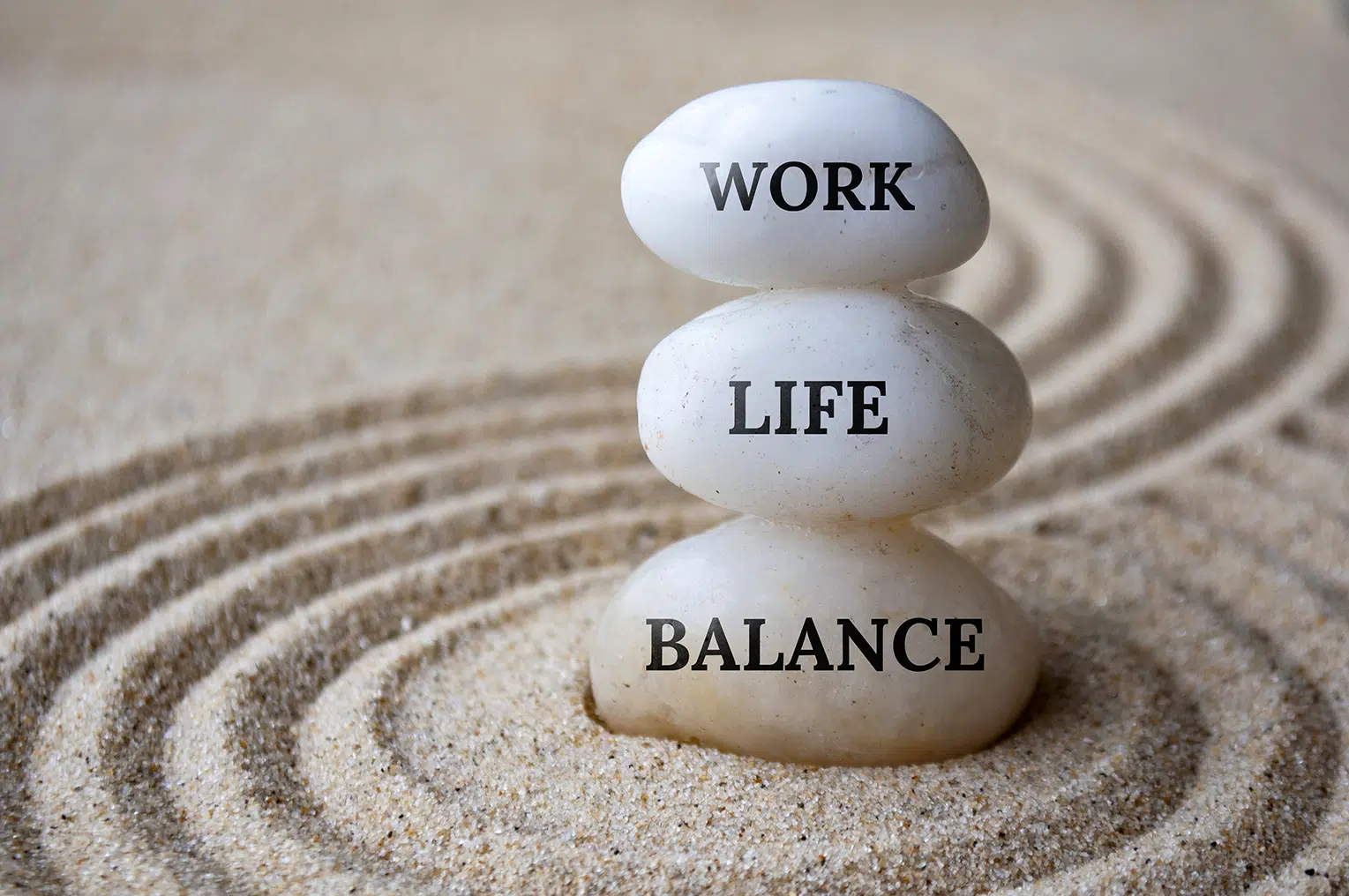
The Middle Ground Is Underrated
Moderation does not usually get much attention. It sounds too calm, too ordinary, and too practical to compete with dramatic life changes. People are often drawn to extremes because extremes feel decisive. Work harder. Spend less. Exercise more. Cut everything out. Say yes to every opportunity. Push until something changes.
The problem is that intensity can create a cycle that looks productive at first, then slowly becomes unstable. You push hard, burn out, fall behind, feel guilty, and then push hard again to make up for it. That pattern can show up in health, money, work, relationships, and personal goals.
This is why steady financial habits often matter more than panic-based fixes. For people facing financial pressure, resources like veteran debt relief can support a more grounded approach, where progress comes from realistic steps instead of emotional extremes.
Boom and Bust Is Exhausting
The boom and bust cycle feels familiar because it gives the illusion of control. During the boom phase, you feel motivated. You make big plans, take on extra responsibilities, overhaul your schedule, and promise yourself that this time will be different. For a while, it works.
Then the cost shows up. You get tired. The plan becomes too demanding. Life interrupts. One missed day turns into three. The strict budget breaks. The intense workout routine becomes painful. The overpacked work calendar starts causing mistakes. Eventually, the system collapses because it was built for your most energized self, not your actual life.
Consistent moderation asks a better question: “What can I keep doing when life is normal, stressful, boring, and busy?” That question may not feel exciting, but it is the one that creates durability.
Moderation Is Not Weakness
Some people hear moderation and think it means settling. They imagine a lack of ambition, discipline, or passion. But moderation is not the absence of effort. It is an effort managed wisely.
A moderate approach does not mean you never work hard. It means you understand that hard work needs rhythm. It does not mean you never enjoy yourself. It means enjoyment should not sabotage your future. It does not mean you avoid big goals. It means you build a path to those goals that your body, mind, and responsibilities can actually sustain.
The World Health Organization notes that healthy eating patterns are built around principles like balance, moderation, and diversity. That same framework applies to more than food. A strong life usually needs enough structure to guide you and enough flexibility to keep you from breaking.
Sustainable Beats Impressive
There is a difference between a routine that looks impressive and a routine that works. The impressive routine might wake you up at 4 a.m., fill every hour, eliminate every indulgence, and demand perfect focus. The working routine may be less dramatic. It might include a realistic bedtime, a manageable workload, simple meals, movement a few times a week, and a spending plan you can follow without resentment.
The impressive routine gets attention. The working routine gets results.
This matters in professional management, too. A leader who demands constant urgency may get short-term output, but the team eventually pays for it through mistakes, turnover, resentment, and burnout. A manager who practices consistent moderation sets clearer priorities, protects recovery time, and understands that people are not machines. They can still expect excellence, but they do not confuse excellence with nonstop pressure.
Rest Is Part of the System
Moderation becomes powerful when rest is treated as part of the plan, not a reward for finishing everything. In exercise, this is easy to understand. Pushing hard every day without recovery can lead to injury, fatigue, and declining performance. Cleveland Clinic’s overview of overtraining syndrome explains that rest and recovery between intense activity can help prevent problems from overtraining.
The same idea applies emotionally and professionally. If you never pause, your thinking gets worse. If you never disconnect, your patience shrinks. If you never recover, you may still be present, but you are not really operating at your best.
Rest is not laziness. It is maintenance. A life without maintenance eventually becomes expensive.
Moderation Protects Decision Making
Extreme states often produce extreme decisions. When you are exhausted, you may overspend for comfort. When you feel deprived, you may rebel against your own rules. When you are overwhelmed, you may avoid simple tasks because everything feels too big. When you are constantly pushing, small setbacks feel like personal failures.
Consistent moderation keeps you closer to your best judgment. You are less likely to swing between restriction and indulgence, ambition and collapse, control and avoidance. Instead, you create a steadier emotional environment where better decisions are easier to make.
This is one reason moderate systems work so well. They reduce the need for heroic willpower. When your plan is reasonable, you do not have to fight yourself every day just to follow it.
The Middle Can Still Move You Forward
A moderate pace does not mean standing still. In fact, moderation often creates more progress because it reduces interruptions. Walking regularly for a year may do more than an intense fitness plan that lasts three weeks. Saving a small amount consistently may do more than occasional bursts of financial discipline followed by frustration. Working with focus and boundaries may accomplish more than long days filled with exhaustion and rework.
Moderation also makes room for learning. When you are not constantly sprinting, you can notice what works. You can adjust. You can improve your system instead of simply surviving it.
That is the hidden strength of the middle ground. It gives you enough pressure to grow and enough space to last.
Consistency Builds Trust With Yourself
Every sustainable action is a promise kept. When you choose a realistic plan and follow it, you teach yourself that change does not have to be dramatic to be real. You start trusting your own follow-through.
That trust matters. Many people lose confidence because they keep making extreme promises they cannot keep. They say they will never spend impulsively again, never miss a workout, never get behind, never lose focus, never need a break. Then life happens, and the broken promise becomes more evidence that they cannot change.
Moderation offers a kinder and stronger path. It says, “Let us choose something repeatable.” That repeatable action becomes proof. Proof becomes confidence. Confidence makes the next action easier.
A Life That Can Last
The power of consistent moderation is that it respects reality. It respects your goals, but it also respects your limits. It understands that progress needs energy, and energy needs renewal. It refuses to trade long-term resilience for short-term intensity.
A moderate life is not boring. It is stable enough to hold ambition without being consumed by it. It is flexible enough to enjoy the present without abandoning the future. It is disciplined enough to make progress without turning every day into a test of endurance.
The boom and bust cycle promises fast transformation, but often leaves people tired and discouraged. Consistent moderation offers something better: a pace you can keep, a system you can trust, and progress that does not require you to burn yourself down to prove you are serious.