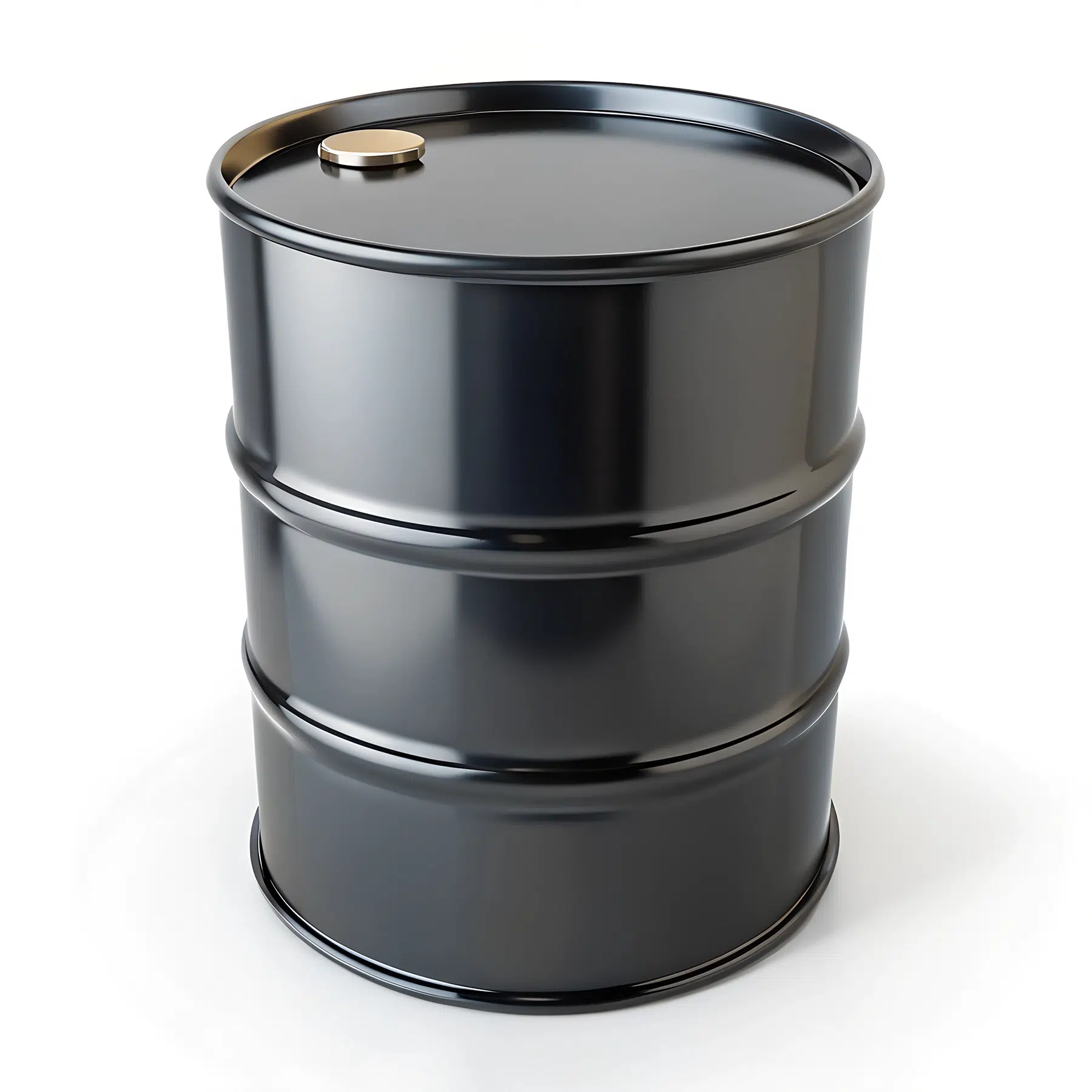
Long before plastic totes and modern bulk containers became standard equipment, metal drums were already moving fuel, chemicals, and food supplies around the world. That history runs deep, and despite decades of newer packaging alternatives, steel and metal drums remain a workhorse across countless industries today.
Part of the reason metal drums have stuck around so long comes down to something simple: they come in sizes built for nearly every job imaginable, and choosing the right one still requires more thought than most buyers expect.
Standard Metal Drum Sizes and Capacities
The most recognized size is the 55-gallon metal drum, a fixture in chemical plants, auto shops, and industrial facilities for generations. Smaller options include 30-gallon and 15-gallon drums, useful for operations that need frequent access without moving a full-sized unit.
On the larger end, some specialty drums exceed 55 gallons for bulk storage applications, though these are less common due to weight and handling limitations once filled. Choosing the right capacity often comes down to balancing storage efficiency against how easily a full drum can be moved by hand or equipment.
Open Head Versus Closed Head Metal Drums
Beyond size, drum style matters just as much for practical use. Open head drums feature a removable lid, secured with a locking ring, which makes them ideal for materials that need to be scooped, poured in bulk, or require full access for cleaning between uses. Closed head drums have a fixed top with small bung openings, better suited for liquids that will be pumped or poured through a controlled opening, offering better protection against contamination and spills during transport.
Metal Drum Material Differences
Steel drums dominate industries handling flammable liquids, chemicals, and heavy materials due to their strength and puncture resistance. Stainless steel versions appear in food, beverage, and pharmaceutical settings where corrosion resistance and sanitation standards are critical. Some operations use fiber or plastic drums for lighter-duty applications, though metal remains the preferred choice when durability and reuse cycles matter most. Galvanized coatings offer an additional layer of rust protection for drums stored outdoors or exposed to humid environments over long periods.
Common Uses for Metal Drums
Metal drums online appear in an enormous range of uses. Chemical manufacturers rely on them for acids, solvents, and hazardous materials that require UN-rated containers for safe transport. The automotive industry uses them for oils, lubricants, and coolants. Food processors use lined or stainless versions for bulk ingredients. Waste management and recycling operations depend on sturdy metal drums daily for collecting and transporting scrap materials, used oil, and industrial byproducts.
New Versus Reconditioned Metal Drums
Reconditioned metal drums represent a significant portion of the market, and for good reason. A properly cleaned, inspected, and repainted drum can perform just as reliably as new for most non-food applications, often at a fraction of the cost. Buyers should ask about the drum’s previous contents, since residue from certain chemicals can affect suitability for future use without specialized cleaning.
UN-rated drums intended for hazardous material transport should always come with proper certification regardless of condition. Searching for metal drums online rather than calling around to local suppliers gives buyers a much clearer view of available capacities, styles, and pricing before committing to an order.
What to Check Before Buying a Metal Drum
Rust, dents, and seam integrity are the first things to inspect on any used drum. A compromised seam or significant corrosion can lead to leaks under pressure or during transport, creating both safety and cleanup issues. Gasket condition on the lid or bung openings matters too, since a worn seal undermines the entire purpose of a sealed container. Buyers moving hazardous or regulated materials should also confirm that documentation and rating labels remain legible, since damaged or missing labels can create compliance problems down the line.
Sourcing the right drum does not require settling for whatever a local supplier happens to have in stock. Buyers can shop metal drums online through Container Exchanger, comparing size, condition, and price from sellers across North America without paying broker fees along the way.