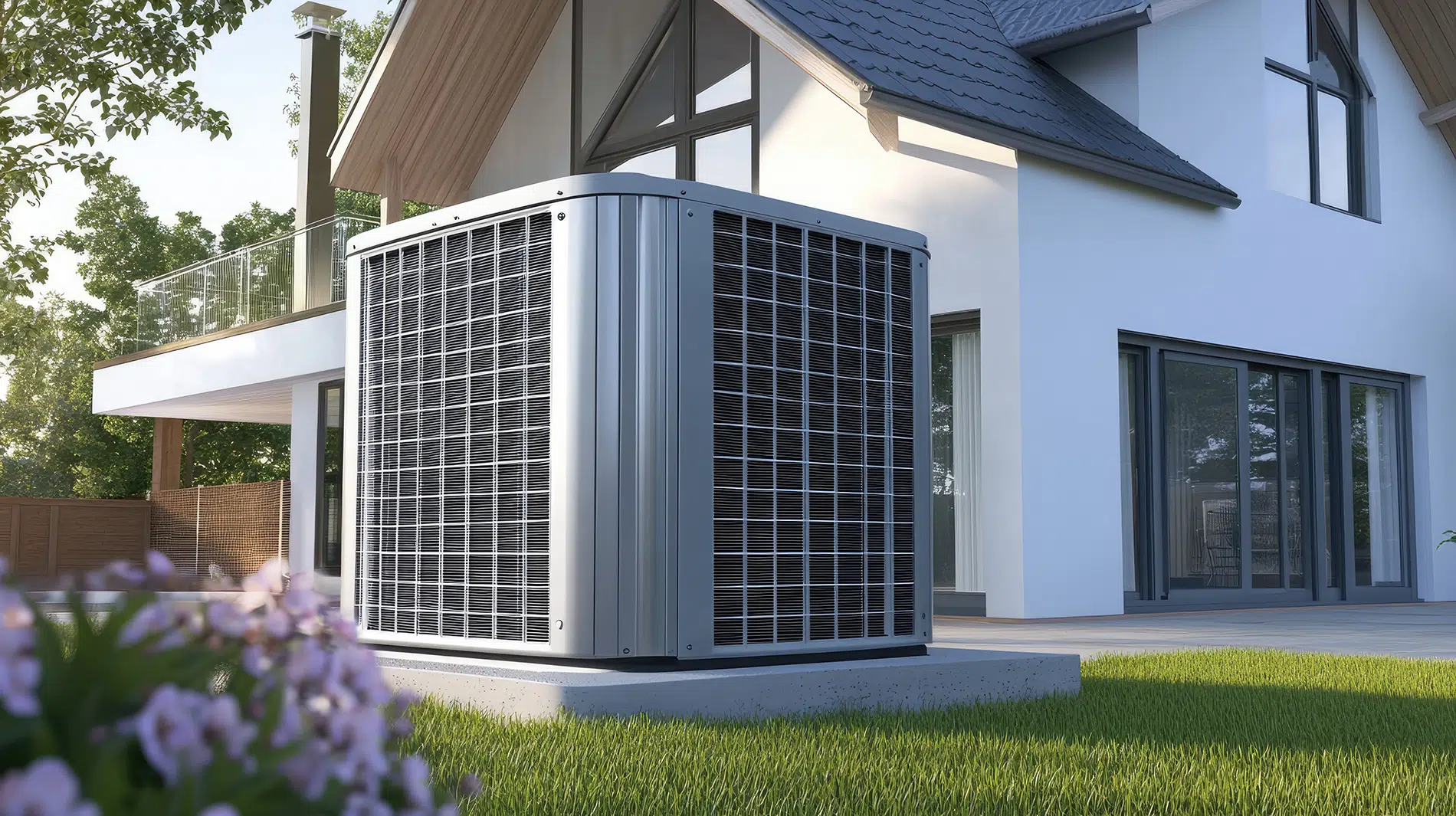
A heat pump is one of the most versatile systems available for maintaining indoor comfort throughout the year. By providing both heating and cooling capabilities, it helps homeowners manage temperatures efficiently regardless of the season. Like any mechanical system, however, a heat pump will eventually reach a point where replacement becomes a more practical option than continued repairs.
Many homeowners struggle with the decision to replace their existing equipment. A system may still operate, but declining efficiency, rising energy costs, and increasing repair needs often indicate that it is no longer performing at its best. Understanding the replacement process can help homeowners make informed decisions and avoid unexpected challenges.
Heat Pump Replacement is a significant investment, but it can also provide substantial long-term benefits. With proper planning and professional guidance, homeowners can improve comfort, efficiency, and system reliability while preparing their homes for future heating and cooling needs.
Understanding the Purpose of a Heat Pump
Heat pumps are unique because they perform two essential functions. During colder months, they transfer heat into the home, while during warmer months, they remove heat from indoor spaces to provide cooling. This dual-purpose operation makes them an efficient solution for year-round comfort.
Because heat pumps operate throughout multiple seasons, they experience consistent wear over time. Components are used frequently, and performance gradually declines as equipment ages. Even well-maintained systems eventually become less efficient and more prone to operational issues.
Understanding how heat pumps function helps homeowners recognize when replacement may be the most beneficial long-term solution.
Recognizing Signs That Replacement May Be Needed
Most heat pumps provide warning signs before reaching the end of their service life. Paying attention to these indicators can help homeowners plan ahead rather than facing an unexpected system failure.
Increasing energy bills are often one of the first signs of declining efficiency. A system that requires more electricity to maintain the same comfort level may be struggling to perform effectively. Frequent repairs, unusual noises, and inconsistent temperature control can also indicate aging equipment.
Heat Pump Replacement becomes a practical consideration when repair costs begin occurring regularly. Evaluating overall system performance helps determine whether replacement offers greater value than continued maintenance.
Evaluating Current Energy Efficiency
Energy efficiency is one of the most important factors homeowners consider when replacing HVAC equipment. Older systems often consume more energy than newer models because of technological advancements and improved design standards.
As equipment ages, efficiency losses can gradually increase operating costs. Homeowners may not notice these changes immediately, but long-term utility expenses often reflect declining system performance. Replacing outdated equipment can help reduce energy consumption while improving comfort.
Pelican Heating & Air helps homeowners assess whether efficiency improvements justify a replacement investment. Careful evaluation supports better long-term decision-making.
Planning for Long-Term Comfort
A heating and cooling system should provide consistent comfort throughout every room of the home. Aging heat pumps sometimes struggle to maintain balanced temperatures, resulting in hot or cold spots that affect overall comfort.
Performance inconsistencies often become more noticeable during periods of extreme weather. The system may run longer than necessary while still failing to achieve the desired indoor conditions. These issues can affect both comfort and energy efficiency.
Replacing older equipment provides an opportunity to improve temperature control and create a more comfortable indoor environment. Modern systems are often designed to deliver more consistent performance across the entire home.
Understanding Installation Considerations
Successful replacement projects require careful planning before installation begins. Homeowners should understand that equipment selection is only one part of the process. Proper installation is equally important for achieving long-term performance and reliability.
Factors such as home size, insulation levels, ductwork condition, and airflow requirements all influence system performance. A replacement project should address these considerations to ensure optimal operation after installation is complete.
Professional evaluations help identify potential challenges and ensure that replacement equipment is properly matched to household needs.
Reducing Future Repair Concerns
Older systems often require increasing amounts of maintenance as components wear out. While occasional repairs are expected throughout a system’s lifespan, frequent service appointments may indicate a larger problem.
Continued repairs can become costly and inconvenient, particularly when breakdowns occur during periods of heavy demand. Replacing aging equipment helps reduce the likelihood of unexpected failures and ongoing maintenance expenses.
Heat Pump Replacement allows homeowners to start with a newer system that requires less immediate attention. This often results in greater reliability and fewer operational concerns.
Supporting Better Indoor Air Quality
Heating and cooling systems contribute to more than temperature control. They also influence airflow and indoor air quality throughout the home. Declining system performance can affect how effectively air circulates within living spaces.
Restricted airflow, aging components, and reduced efficiency may contribute to less comfortable indoor conditions. A modern system can help support improved airflow while maintaining more consistent performance throughout the year.
Pelican Heating & Air understands that indoor comfort involves multiple factors. Proper equipment selection helps create healthier and more enjoyable living environments.
Considering Long-Term Financial Benefits
While replacement requires an upfront investment, homeowners should also consider the long-term financial advantages. Improved efficiency often results in lower utility expenses, while reduced repair frequency can decrease maintenance costs.
Over time, these savings may offset a portion of the replacement expense. Additionally, reliable equipment helps homeowners avoid the financial uncertainty associated with recurring repairs and emergency service calls.
A long-term perspective often reveals benefits that extend beyond the initial installation cost. Improved performance and lower operating expenses contribute to overall value.
Choosing Professional Guidance
Replacing a heat pump involves several important decisions that affect comfort, efficiency, and long-term satisfaction. Professional guidance helps homeowners navigate these choices with confidence.
Experienced technicians evaluate system requirements, recommend suitable equipment, and ensure that installation standards are met. This expertise helps maximize the benefits of the replacement project while minimizing potential complications.
Pelican Heating & Air works closely with homeowners throughout the replacement process to ensure that solutions align with both immediate needs and future goals.
Preparing for Future Performance
A new system provides an opportunity to establish a proactive maintenance strategy from the beginning. Routine inspections and preventative care help protect equipment while supporting long-term efficiency.
Regular maintenance allows technicians to identify developing concerns before they affect performance. This approach helps homeowners maximize the lifespan of their new system and maintain reliable comfort throughout every season.
Planning for future maintenance ensures that replacement equipment continues operating efficiently for years to come.
Conclusion
Replacing a heat pump is an important decision that affects comfort, efficiency, and household operating costs. While aging systems may continue functioning for a period of time, declining performance often signals that replacement should be considered.
Heat Pump Replacement offers homeowners the opportunity to improve efficiency, reduce repair concerns, and enhance overall comfort. Careful planning and professional guidance help ensure that the investment delivers lasting value and reliable performance.
With support from Pelican Heating & Air, homeowners can confidently navigate the replacement process and select solutions that meet their long-term needs. Through expert recommendations, quality installation, and ongoing support, Pelican Heating & Air helps create efficient and comfortable homes for every season.