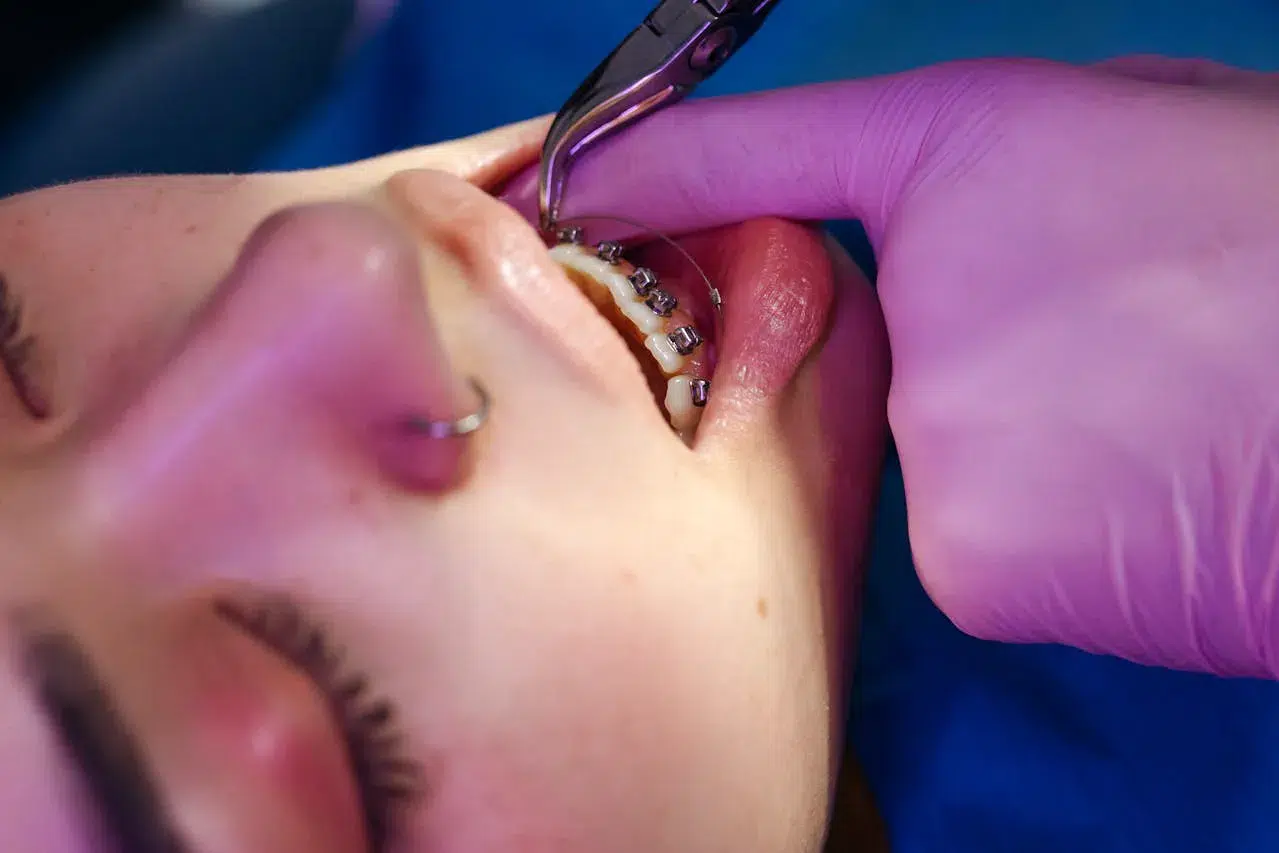
Orthodontic problems are often ignored until chewing feels uncomfortable, teeth become harder to clean, or jaw pressure starts causing daily irritation. In Illinois, oral health remains a significant concern, especially among children and adolescents who later become common orthodontic patients.
The Illinois Department of Public Health reported that nearly 22% of third-grade children in the state had untreated tooth decay during recent statewide assessments, while about 32% showed a history of dental disease. State oral health programs have increasingly emphasized earlier preventive care and routine dental evaluations, which also tend to identify bite and alignment problems sooner. In suburban communities like St. Charles, that broader awareness has contributed to more families seeking orthodontic evaluations before issues become more severe.
Why Orthodontic Care Often Starts with Function, Not Appearance
A lot of people assume orthodontic treatment begins because someone wants straighter teeth for cosmetic reasons alone. Sometimes that is part of it, but many orthodontic problems actually start with function. Difficulty chewing, jaw discomfort, uneven pressure on teeth, speech issues, or chronic grinding can all be traced back to alignment problems that slowly worsen over time.
Orthodontists often evaluate how the entire bite works together instead of focusing only on visible crowding or spacing. Teeth, jaw positioning, airway function, and facial balance all affect how comfortably the mouth functions during daily activities. After noticing repeated bite problems, uneven wear, or jaw discomfort, many individuals eventually turn to experienced orthodontists. If you are looking for reliable orthodontic treatment, St. Charles has many options. Timely professional intervention improves long-term function before small alignment problems begin affecting other parts of oral health more seriously.
Misaligned Teeth Are Harder to Keep Clean
One of the most overlooked parts of teeth alignment is hygiene. Crowded or overlapping teeth create spaces that are harder to brush and floss properly, especially along the gumline, where plaque tends to build quietly. Even people with good brushing habits sometimes struggle to keep certain areas clean when teeth sit too tightly together or overlap awkwardly.
That buildup increases the risk of cavities and gum irritation over time. Gum disease also becomes more likely when bacteria remain trapped between teeth consistently. The frustrating part is that people may blame themselves for poor dental habits when the alignment itself is making routine cleaning more difficult than it should be.
Dentists usually notice these patterns early during regular exams. Certain teeth wear down faster. Some gums become more inflamed than others. Food traps repeatedly in the same areas. These are often signs that alignment is affecting oral health underneath the surface, long before bigger problems become obvious.
Bite Problems Affect Daily Comfort More Than People Expect
Many patients get used to discomfort gradually and stop realizing certain symptoms are connected to their bite. Jaw soreness, headaches, neck tension, or tooth sensitivity may seem unrelated at first. Over time, though, uneven bite pressure places stress on certain teeth and jaw joints repeatedly.
Chewing becomes less efficient when teeth do not meet properly. Some people unconsciously shift their jaw while eating to avoid discomfort. Others grind their teeth at night because the bite never fully settles into a comfortable resting position. That constant pressure slowly wears enamel down and strains jaw muscles without people fully noticing until pain becomes harder to ignore.
Speech can also be affected in some cases. Certain alignment problems influence tongue placement or airflow while speaking, especially when spacing issues or severe bite irregularities exist. Children often adapt naturally without realizing anything feels unusual, though speech patterns sometimes improve after orthodontic correction.
Confidence Usually Changes Quietly
People talk about confidence in a very dramatic way online sometimes, but most changes connected to teeth alignment are quieter than that. A person smiles more comfortably during conversations. They stop covering their mouth while laughing. They feel less distracted during meetings or social situations.
Those changes build gradually. Patients often describe feeling more relaxed rather than suddenly transformed. That difference matters because healthy confidence tends to come from comfort, not perfection. Adults, especially, tend to postpone orthodontic care because they assume treatment only makes sense for teenagers. That has changed a lot over the last decade. More adults now pursue alignment correction because treatment options have become less noticeable and more adaptable to work schedules and daily routines.
There is also less stigma around adult orthodontic treatment than before. People are more open about investing in long-term dental health now, especially when untreated bite problems continue causing discomfort or expensive dental repairs later.
Alignment Affects Long-Term Tooth Wear
Teeth are designed to distribute pressure fairly evenly while chewing. When alignment shifts too far out of balance, certain teeth absorb more force than others every single day. That uneven pressure slowly wears enamel down, increases sensitivity, and sometimes creates cracks or fractures over time.
The damage usually develops gradually enough that people do not notice until major dental work becomes necessary. A chipped tooth may appear suddenly, though the underlying wear often started years earlier because the bite never aligned properly. Orthodontic correction can help reduce that long-term stress by improving how pressure gets distributed across the teeth during normal use. That protective effect is one reason orthodontists often coordinate care closely with general dentists when managing complex bite issues.
Preventive care matters here because repairing worn teeth repeatedly without addressing the alignment problem underneath sometimes creates an expensive cycle that keeps repeating itself.
Proper Alignment Supports More Than Appearance
Straight teeth may improve appearance, but alignment affects much more than photographs or cosmetic impressions. Comfort, chewing efficiency, oral hygiene, jaw function, speech, and long-term tooth preservation all connect back to how the bite functions every day. People often wait until discomfort becomes obvious before exploring orthodontic care. The challenge is that many alignment problems worsen slowly, which makes them easier to normalize over time. Small bite issues become chronic grinding habits. Minor crowding becomes harder-to-clean areas that contribute to gum problems years later.
Orthodontic care works best when viewed as part of overall health rather than only appearance. A properly aligned bite supports daily comfort in ways people often do not fully appreciate until the problems improve. That shift usually feels less dramatic than social media before-and-after posts suggest. But for many patients, life simply feels easier afterward, and honestly, that tends to matter more in the long run.