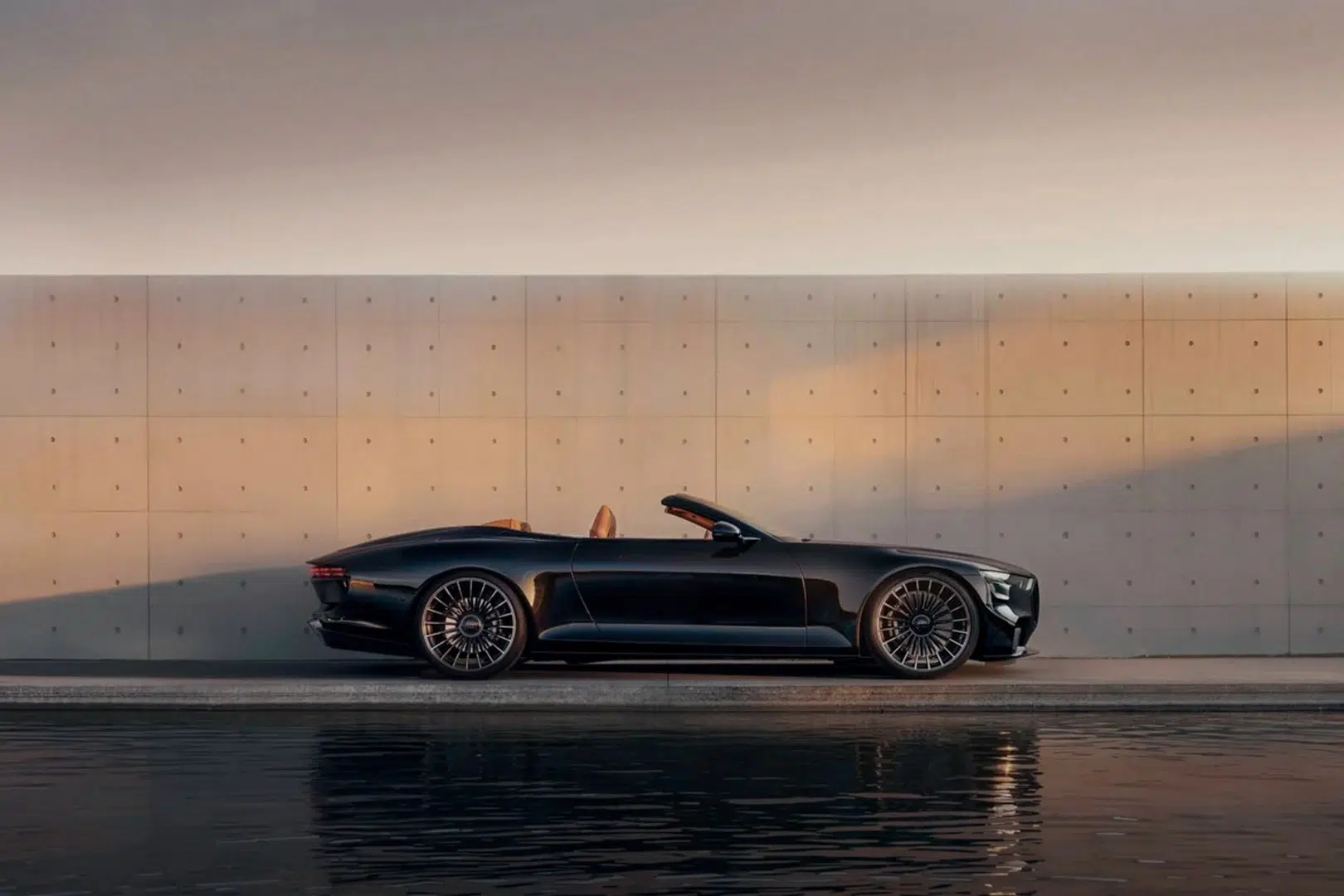
Some cars are engineered around numbers. Others are built around memory.
The BRABUS BODO Cabriolet belongs to the latter category, even if its specifications are extreme enough to dominate any conversation. Developed as the open-top continuation of the BODO Gran Turismo Coupe, the new Cabriolet carries the name of Bodo Buschmann, the late founder of BRABUS, and turns that legacy into something both deeply personal and unmistakably theatrical.
At its heart is a 5.2-liter biturbo V12 producing 1,000 hp and 1,200 Nm of torque, delivered to the rear wheels with a kind of immediacy that feels almost defiant in an era increasingly defined by electrification, software and silence. The numbers are formidable, but the character of the car lies in how those figures are framed: as part of a limited, coachbuilt grand touring experience rather than as an exercise in brute force alone.
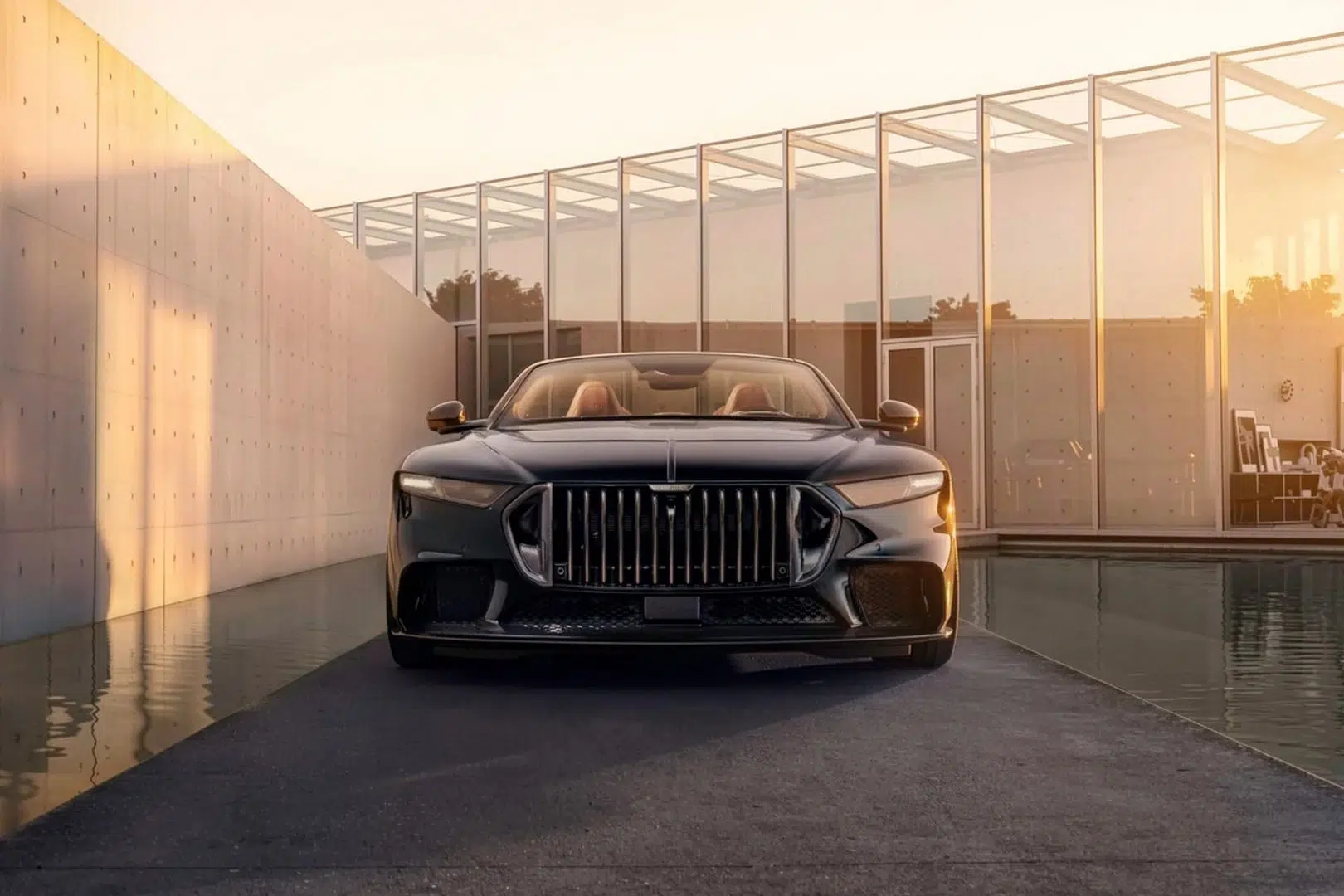
BRABUS has always understood that power, by itself, is not enough. The appeal of its most ambitious cars comes from the tension between aggression and finish, between engineering and excess, between the mechanical and the highly tailored. The BODO Cabriolet sharpens that balance further by removing the roof and exposing the V12 experience to the open air.
That changes the car immediately. A 1,000-hp coupe can feel intimidating, remote and almost impossibly serious. A 1,000-hp cabriolet introduces another layer of sensation: the sound of the engine, the rush of air, the changing temperature, the simple pleasure of driving beneath an open sky. In this context, performance becomes less about domination and more about immersion.
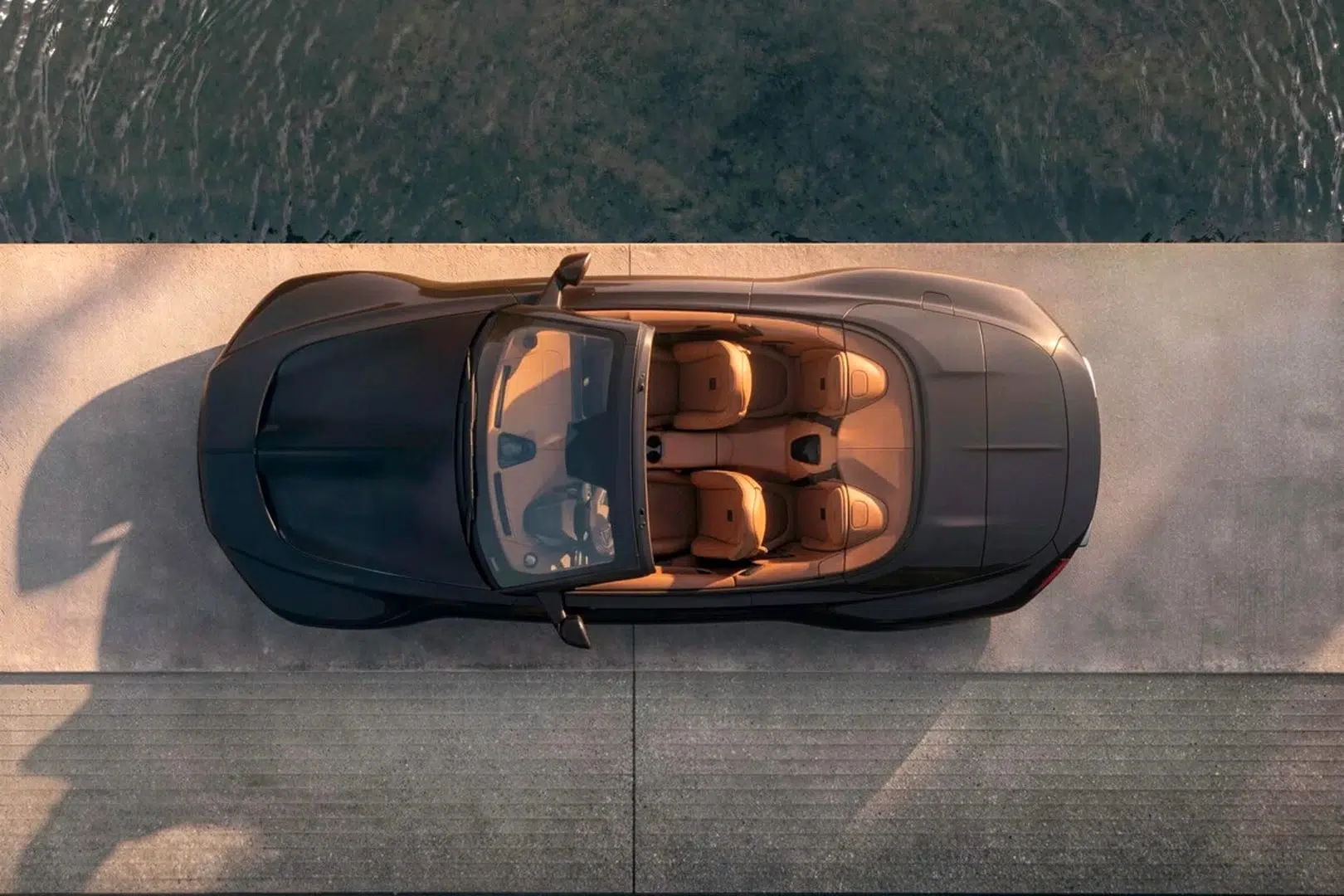
The body has been reworked in carbon fiber, continuing the philosophy established by the BODO Gran Turismo Coupe. Strong, light and visually technical, the material gives the Cabriolet a sense of precision that suits its performance brief while allowing BRABUS to create a more sculptural, bespoke interpretation of the underlying grand tourer.
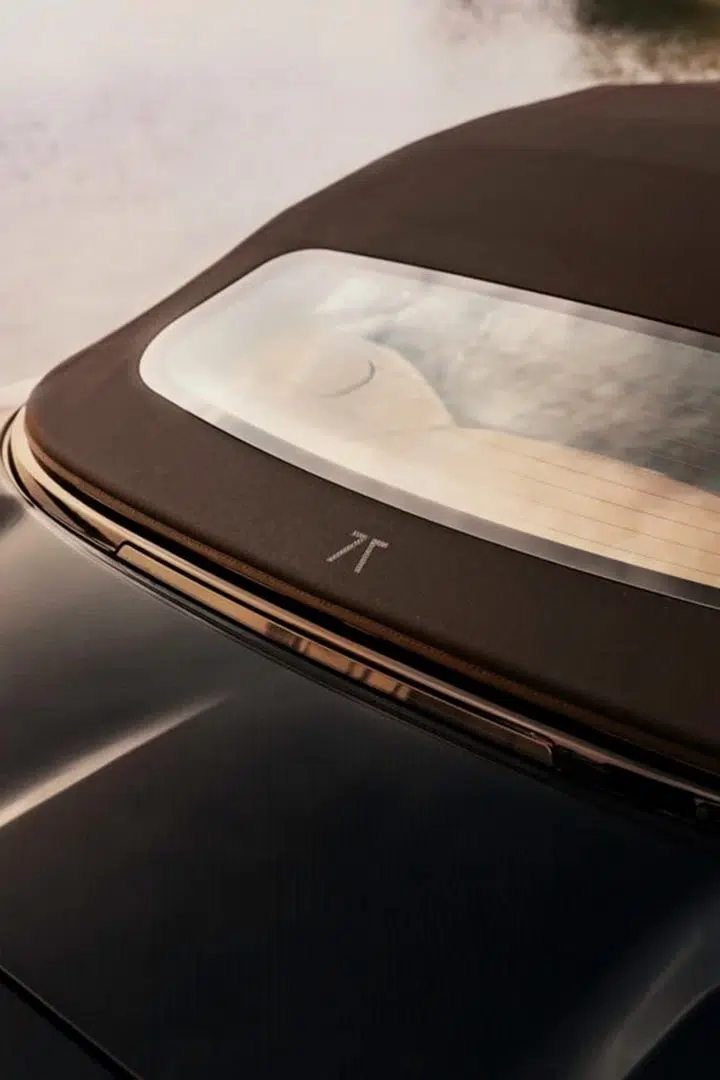
The Silk Stone finish is particularly effective. Elegant rather than flashy, it gives the carbon body a soft, almost mineral quality that tempers the car’s more aggressive proportions. Paired with a specially developed two-tone black-and-gray Jacquard soft top, the effect is one of restraint layered over considerable mechanical violence.
That contradiction is central to the BODO Cabriolet’s appeal.
From a distance, the car has the polish of a contemporary grand tourer. Up close, the details reveal just how far BRABUS has pushed the idea. The 22-inch Monoblock Z-GT wheels add visual tension without overwhelming the body, while the stance remains wide, low and purposeful. There is no mistaking the fact that this is not a conventional luxury convertible.
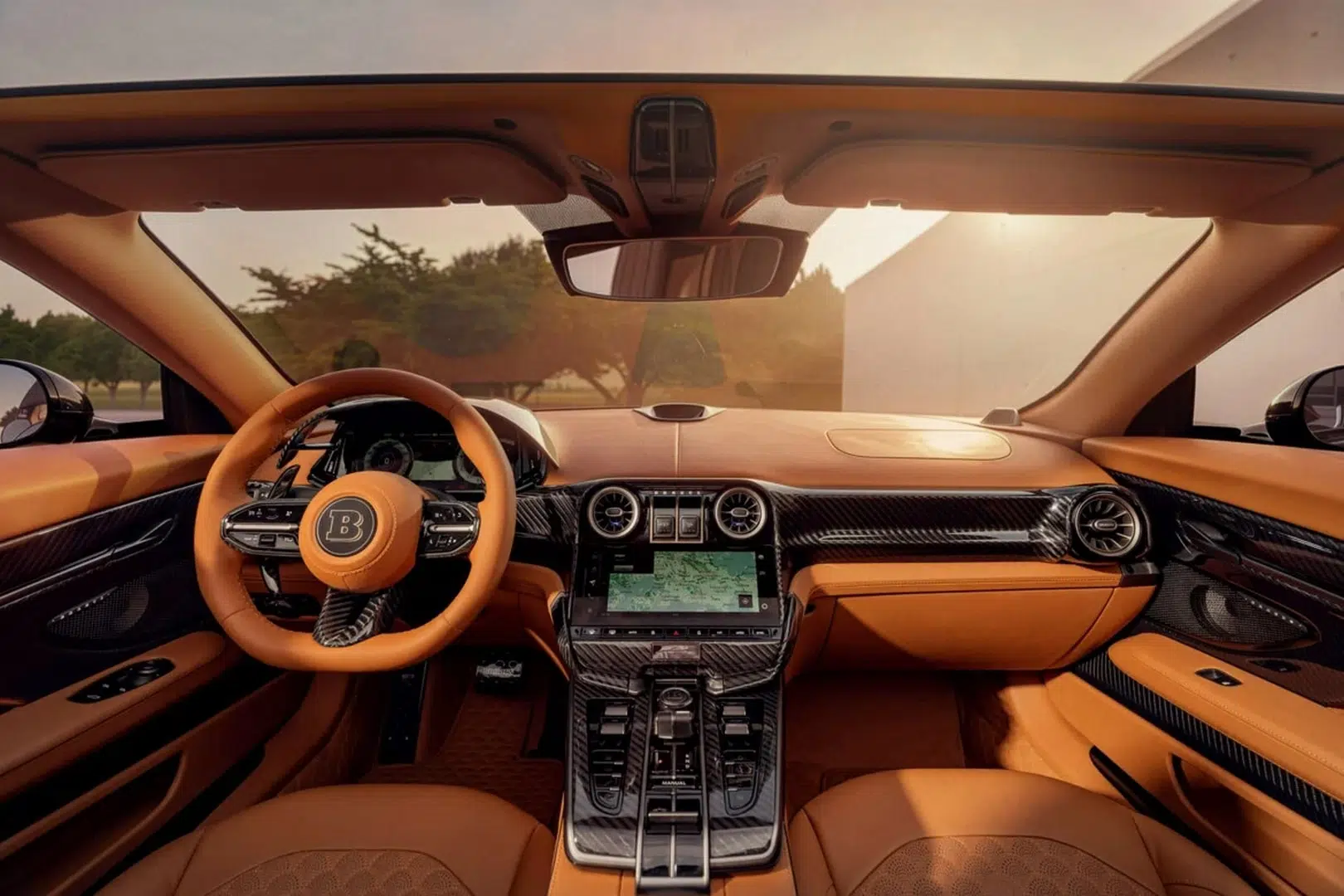
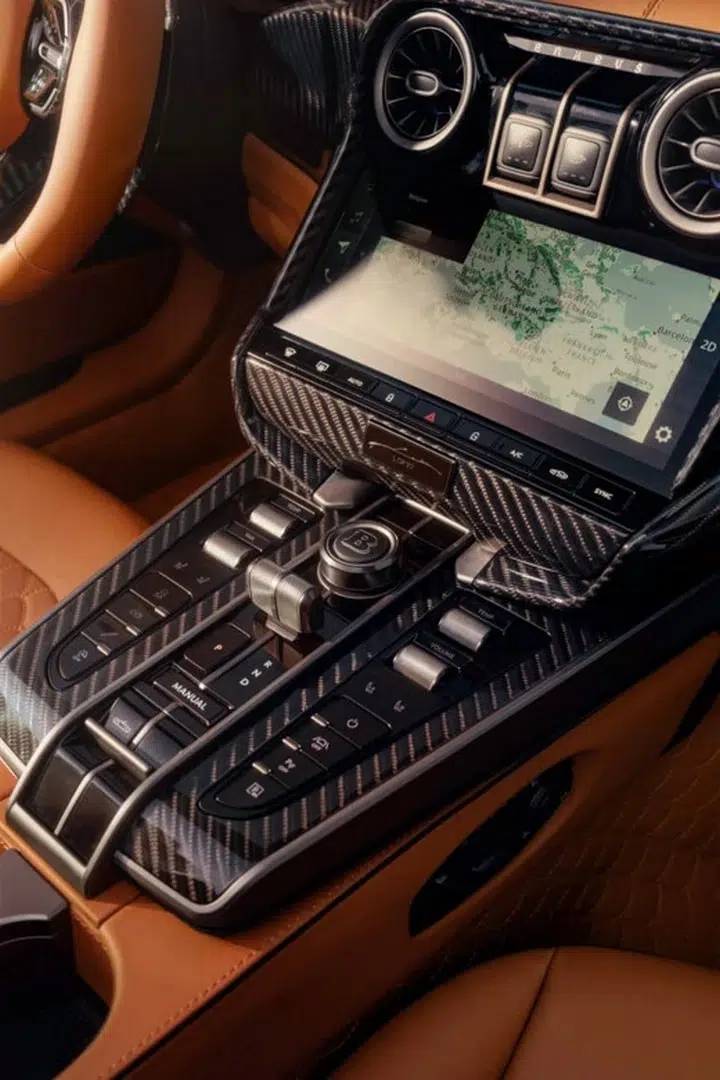
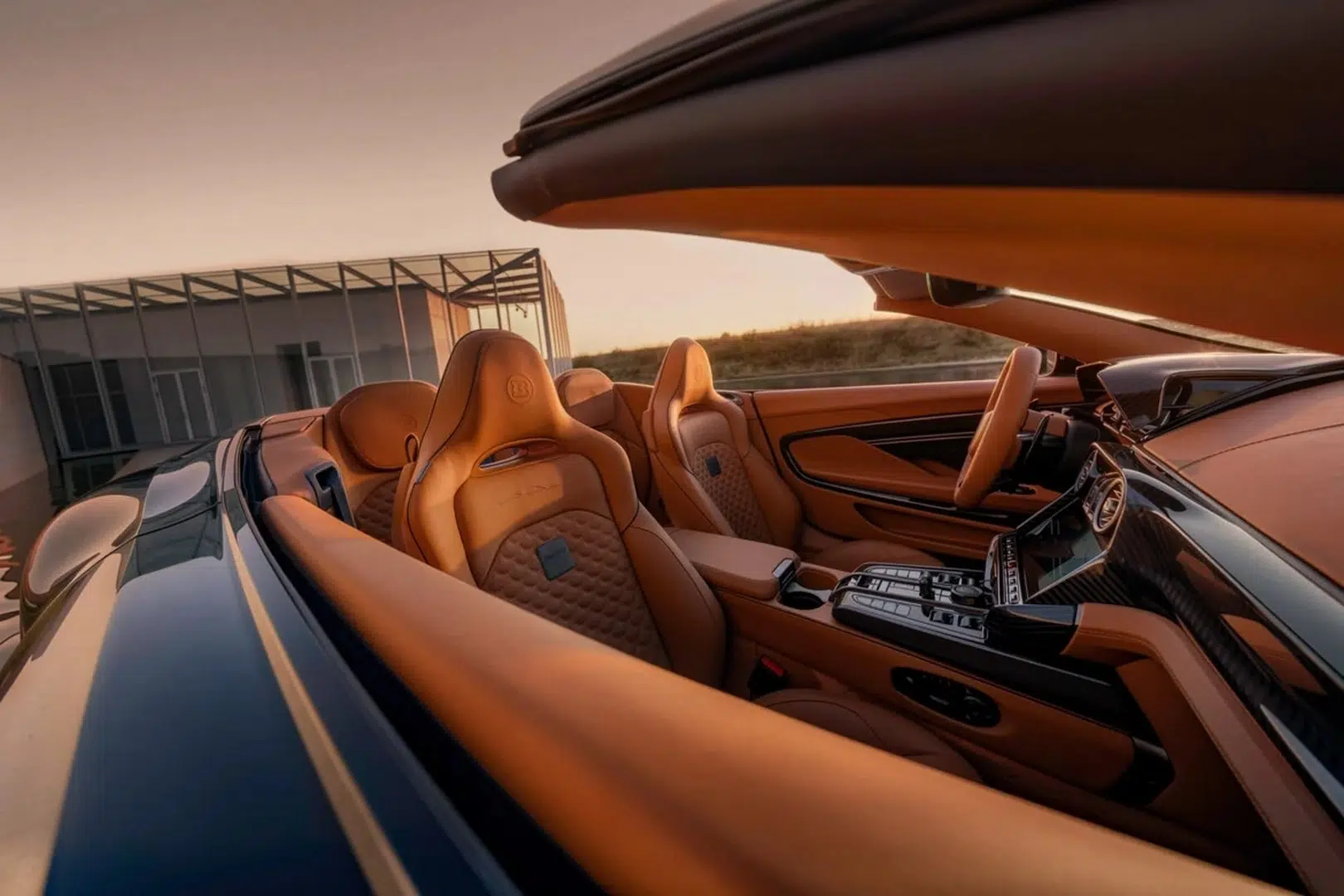
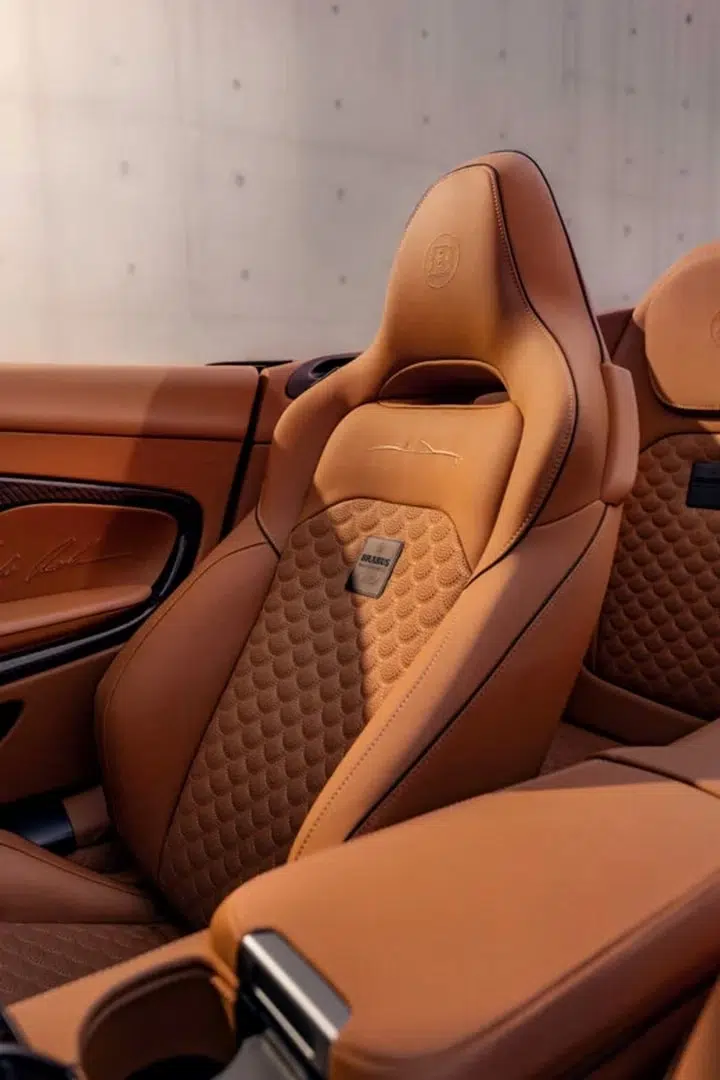
Inside, the transformation is even more personal. BRABUS Masterpiece leather defines the cabin, with bespoke upholstery, meticulous stitching and carefully chosen materials creating an environment that feels closer to custom tailoring than ordinary automotive trim. The goal is not simply to make the interior expensive, but to make it feel singular.
That distinction matters in a market where luxury cars increasingly offer near-endless configurators. Personalization has become expected. True individuality is more difficult. The BODO Cabriolet attempts to move beyond the menu of options by presenting itself as a complete statement, one shaped as much by legacy and emotion as by customer specification.
 |
 |
The connection to Bodo Buschmann gives that statement weight. BRABUS was founded in 1977, and the company’s identity has always been closely tied to his belief that already exceptional cars could be made more individual, more powerful and more expressive. The BODO series transforms that philosophy into a tribute without becoming nostalgic.
There is nothing retro about the Cabriolet. Its carbon construction, output figures, proportions and materials are resolutely contemporary. What it carries forward is an attitude: the idea that a car can be both technically outrageous and deeply personal, and that luxury should feel authored rather than merely assembled.
The 51:49 weight distribution reinforces that intent. Despite the immense output, the BODO Cabriolet has been engineered around balance, allowing the rear-driven configuration to feel deliberate rather than excessive. Power is not simply being added to create a headline; it is being integrated into a broader dynamic character.
That may be the most interesting part of the car. BRABUS could easily have treated the Cabriolet as a visual variation of the Coupe, but the open-top format changes the emotional architecture of the experience. It asks the driver to engage with the car in a different way, to hear more, feel more and become more aware of the environment around it.
For a machine with 1,000 hp, that is a surprisingly intimate proposition.
The BODO Cabriolet also sits comfortably within a broader shift in ultra-luxury motoring, where the most desirable cars are increasingly those with a story behind them. Production numbers still matter, but provenance, intention and narrative are becoming just as important. Buyers at this level are not simply looking for the fastest or most expensive option. They are looking for something that feels meaningful enough to justify its place in a collection.
In that sense, the BODO name is more than branding. It turns the car into a continuation of a personal and corporate history, linking the present-day BRABUS design language with the man whose vision created the company in the first place.
The result is a car that understands the difference between rarity and significance.
Rarity can be engineered through limited production. Significance has to be earned through context. The BODO Cabriolet has both: extraordinary output, carbon construction, a bespoke interior and a name that connects it to the origins of the marque.
The fact that it is a cabriolet only heightens the drama. With the roof lowered, the V12 is no longer hidden behind layers of insulation and bodywork. It becomes part of the atmosphere, a mechanical soundtrack to a car designed around sensation as much as speed.
For some buyers, that will be the point.
The BODO Cabriolet is not subtle, but it is not careless either. Its power is enormous, its materials are exotic, and its presence is unmistakable, yet the execution remains controlled. That balance between theater and discipline is what gives the car its appeal.
At a time when performance is becoming cleaner, quieter and more digital, BRABUS has created something unapologetically physical: a rear-driven, carbon-bodied, V12 cabriolet with 1,000 hp and a bespoke leather interior, named in honor of the man who built the company around the idea that ordinary was never enough.
The story continues, as BRABUS puts it, the BODO way.