Texas has never been in the business of imitation. It builds, expands, and, when necessary, rewrites the rules entirely. That instinct, part independence, part ambition, is now reshaping one of the most tradition-bound spirits in the world.
Gin, once the domain of London and continental Europe, has found an unlikely yet entirely natural home in the Lone Star State.
What is emerging here is not a regional variation, but a distinct point of view.
 |
 |
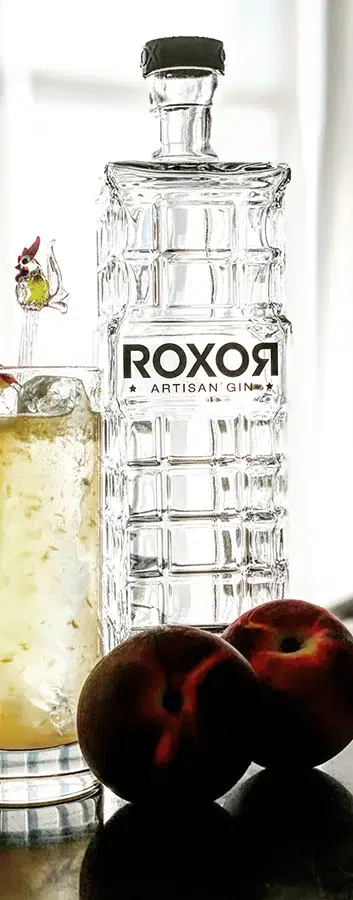
At the center of this movement is Roxor Gin, among the first to articulate what Texas gin could become. Founded by Don Short, a former global executive at The Coca-Cola Company, the distillery approaches production with a philosophy that borders on discipline: no artificial flavorings, no extracts, no unnecessary intervention. Only botanicals, handled with precision and intent.
That rigor is elevated further by Robert Del Grande, a James Beard Award–winning chef and trained biochemist often credited as a pioneer of Southwestern cuisine. His involvement signals something more than collaboration; it reflects a merging of culinary intelligence and scientific control, resulting in spirits that feel both engineered and deeply expressive.
Even the bottle, its skyline silhouette clean and architectural, speaks to a broader Texas narrative: one of design, structure, and quiet confidence.
But to understand Texas gin, one must look beyond a single distillery.
With eight native species of juniper, Texas possesses a botanical advantage few regions can claim. The terrain itself becomes an ingredient. Distillers draw from mesquite bean, native pecan, and wild-foraged berries from the Davis Mountains, layering them with global elements, Egyptian hibiscus, Peruvian cacao nibs, and Italian juniper, without losing a sense of place.
This is not experimentation for its own sake. It is a composition.
In the glass, that composition resolves with clarity.
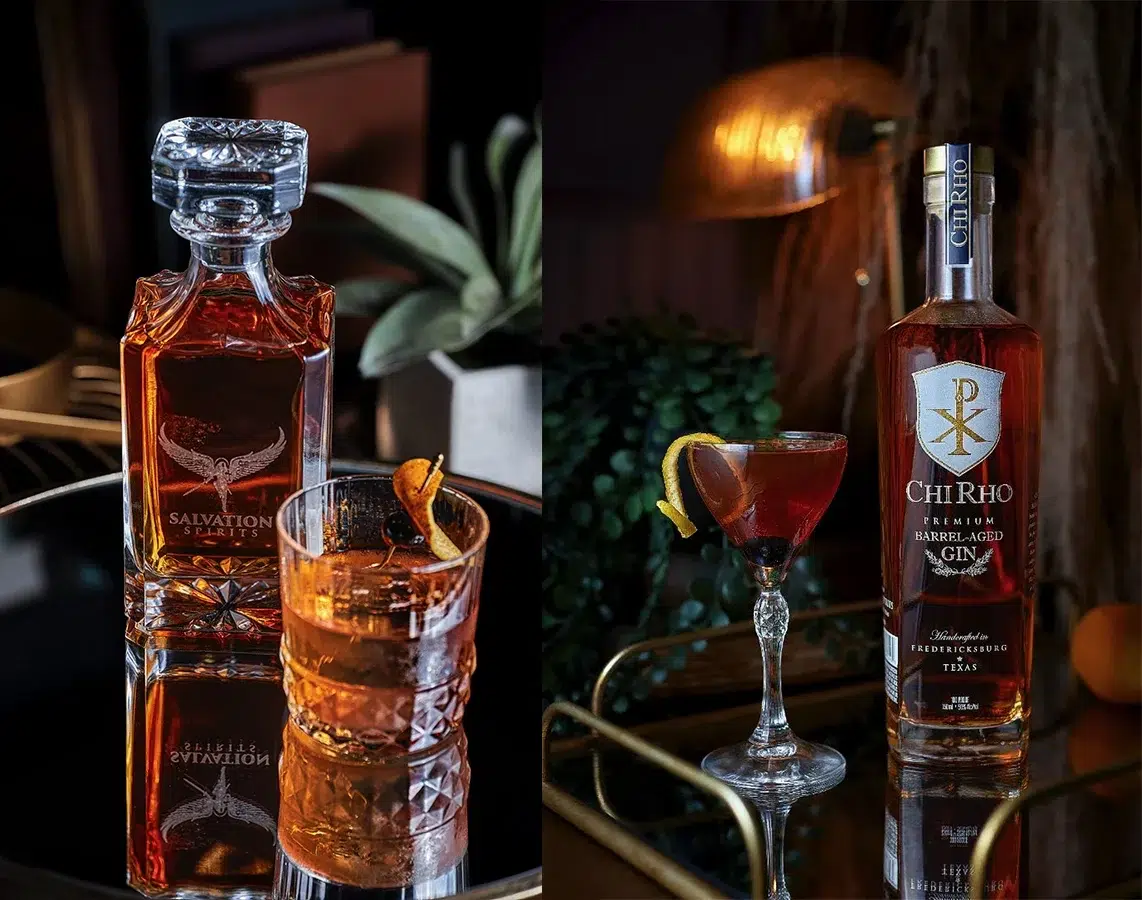
A Texas Old Fashioned, built on a barrel-aged gin such as Fritztown’s Chi Rho, reveals the category’s evolution in a single pour. The structure remains familiar bitters, demerara, citrus oils, but the spirit introduces lift where there was once weight, replacing whiskey’s density with something more aromatic, more defined. The result is not a variation, but a recalibration.
 |
 |
At Salvation Spirits, distiller Trey Blocker refines that same philosophy through small-batch production, crafting gins that feel intimate and deliberate. His workspace, described simply as a “speakeasy,” reflects the understated confidence that runs through the state’s distilling culture.
Meanwhile, Azar Distilling offers a more contemporary lens, where citrus-driven cocktails, Saturns, Bees’ Knees, and bright, effervescent highballs are built with precision rather than excess. Even the use of Topo Chico feels considered, a regional signature rather than a flourish.
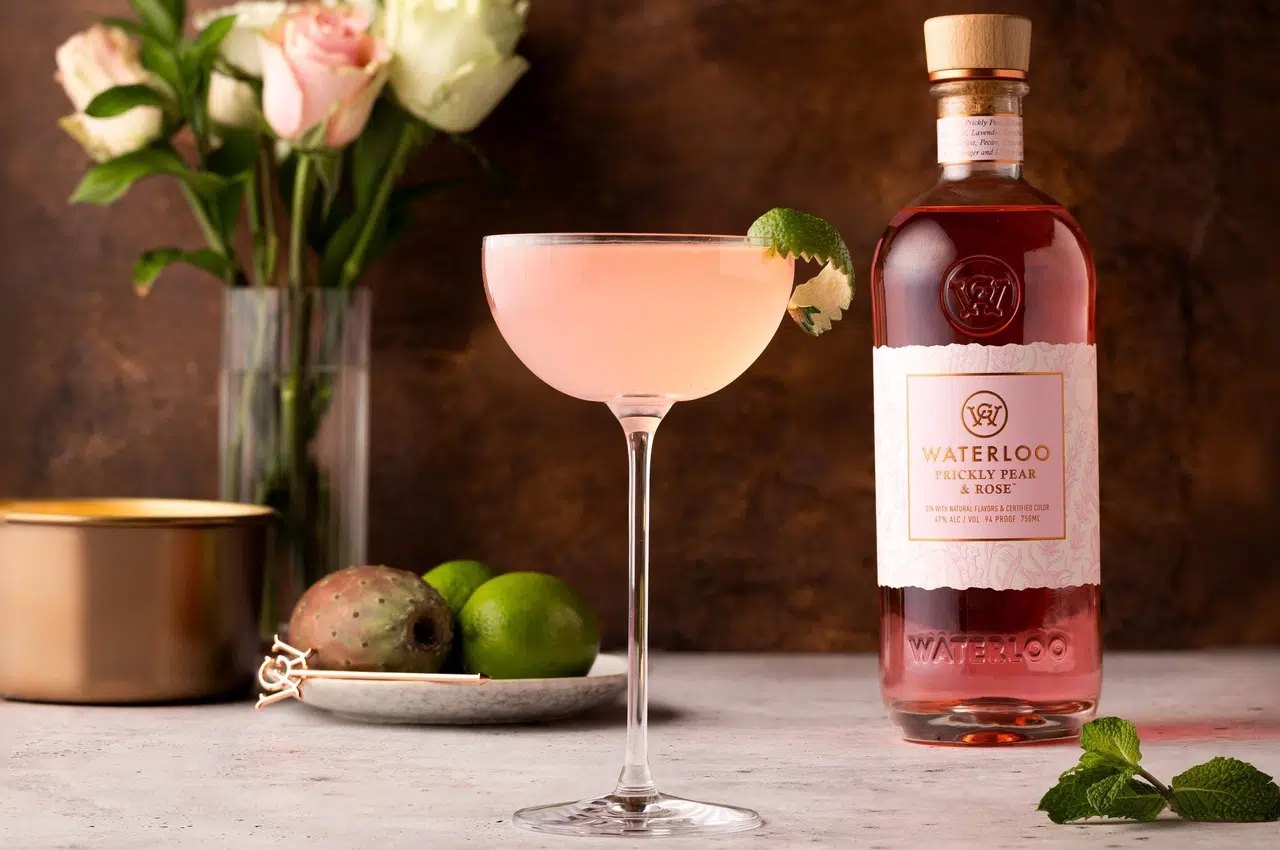
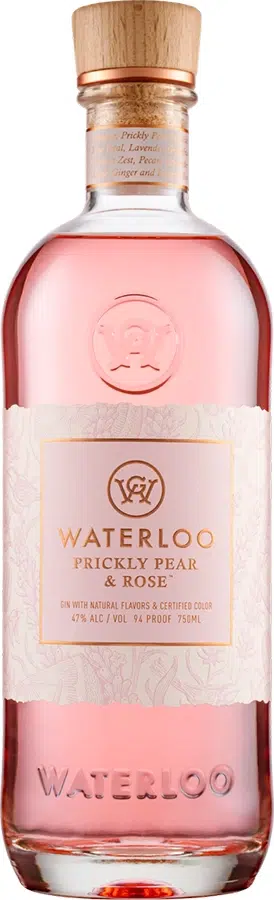
In Dripping Springs, Treaty Oak Distilling helped establish one of Texas’s earliest recognized gins, while Waterloo Gin Company continues to refine the category with expressions such as Prickly Pear and Rose, floral, composed, and ideally suited to a Martini that leans toward elegance rather than ornament.
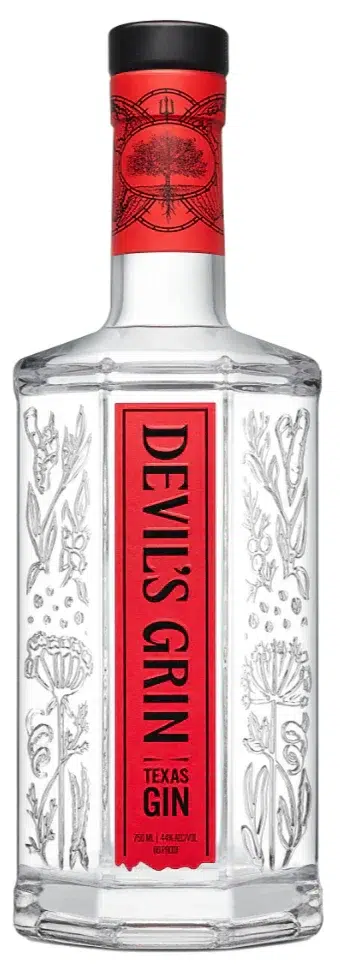
Further north, Trinity River Distillery produces Devil’s Grin, a gin built from 14 botanicals, including mesquite bean and even collected Texas rainwater. Its flavor unfolds gradually, layered, textural, and measured, more landscape than statement.
And that, ultimately, is what defines Texas gin.
It is not chasing the past, nor is it attempting to disrupt it. It is expanding it, quietly, confidently, and with a clarity of purpose that feels entirely its own.
In a category long dominated by legacy, Texas has introduced something rarer: identity.
Not imposed. Not inherited.
Distilled.