Some cocktails invite reinvention. Others endure precisely because they should not be touched.
The Gimlet is the latter.
Long before mixology became a performance, before tinctures, foams, and theatrical garnishes entered the lexicon, the Gimlet existed as something far more exacting: a drink defined by discipline. Its origins trace back to the 19th-century British Navy, where lime juice, issued to prevent scurvy, was combined with gin out of necessity rather than pleasure, a practice well documented in The Oxford Companion to Spirits & Cocktails.
What began as a utility evolved into permanence.
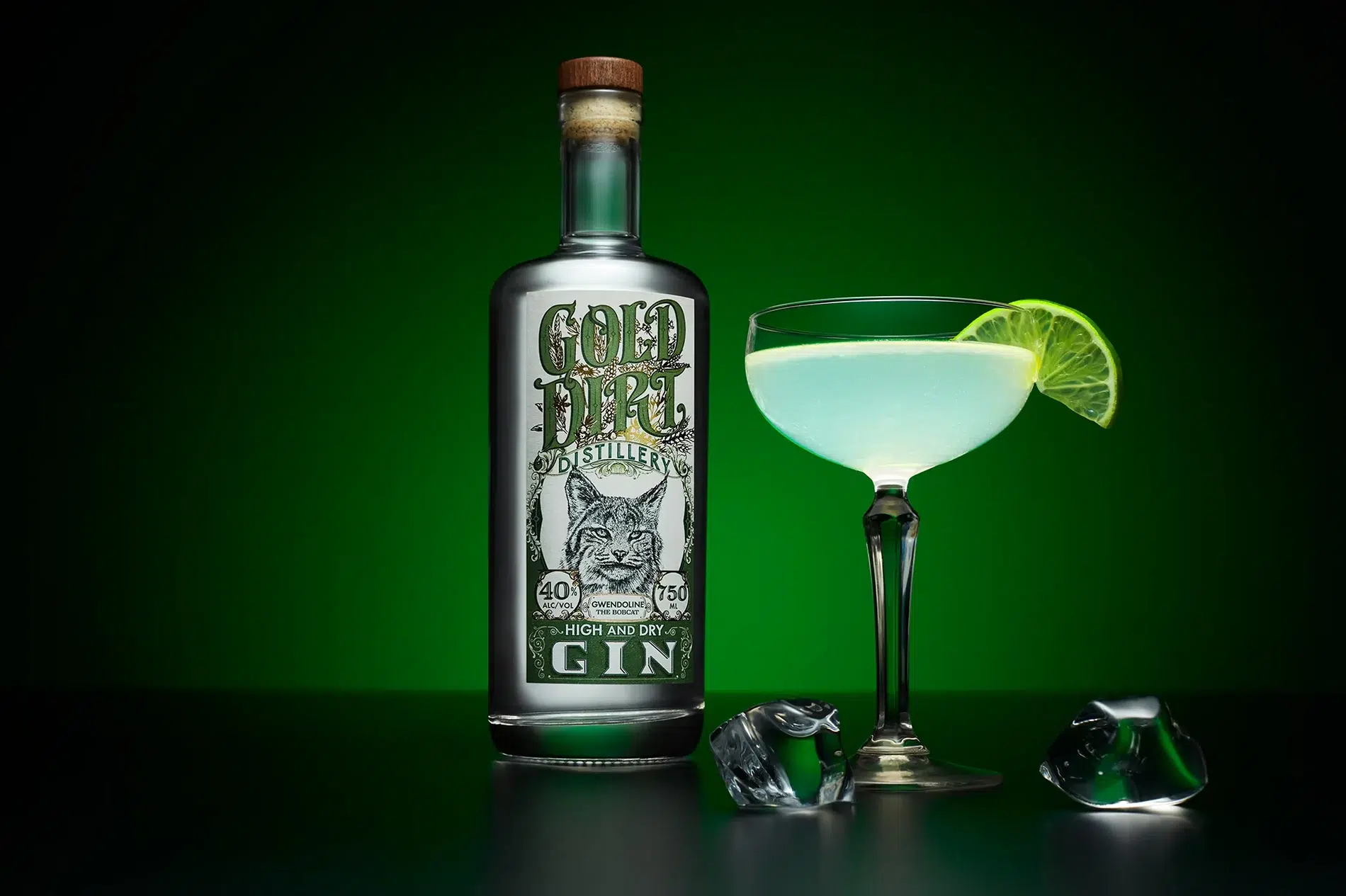
At its most uncompromising, a Gimlet is nothing more than gin, lime, and a whisper of sweetness. Historically, that citrus note was delivered through Rose’s Lime Juice, a choice that defined generations of the drink. Today, purists often favor freshly pressed lime for its sharper, more vivid expression. Both approaches are valid provided the result remains balanced, controlled, and unwavering, a principle long upheld by institutions such as Difford’s Guide.
Because balance is everything here.
A proper Gimlet should arrive ice-cold and crystalline, its aroma lifting with the bright oils of citrus before yielding to the clean, resinous authority of juniper. On the palate, it is immediate and exact: neither tart nor sweet, but perfectly aligned, with a finish that is dry, taut, and quietly persistent. There is nowhere for flaws to hide.

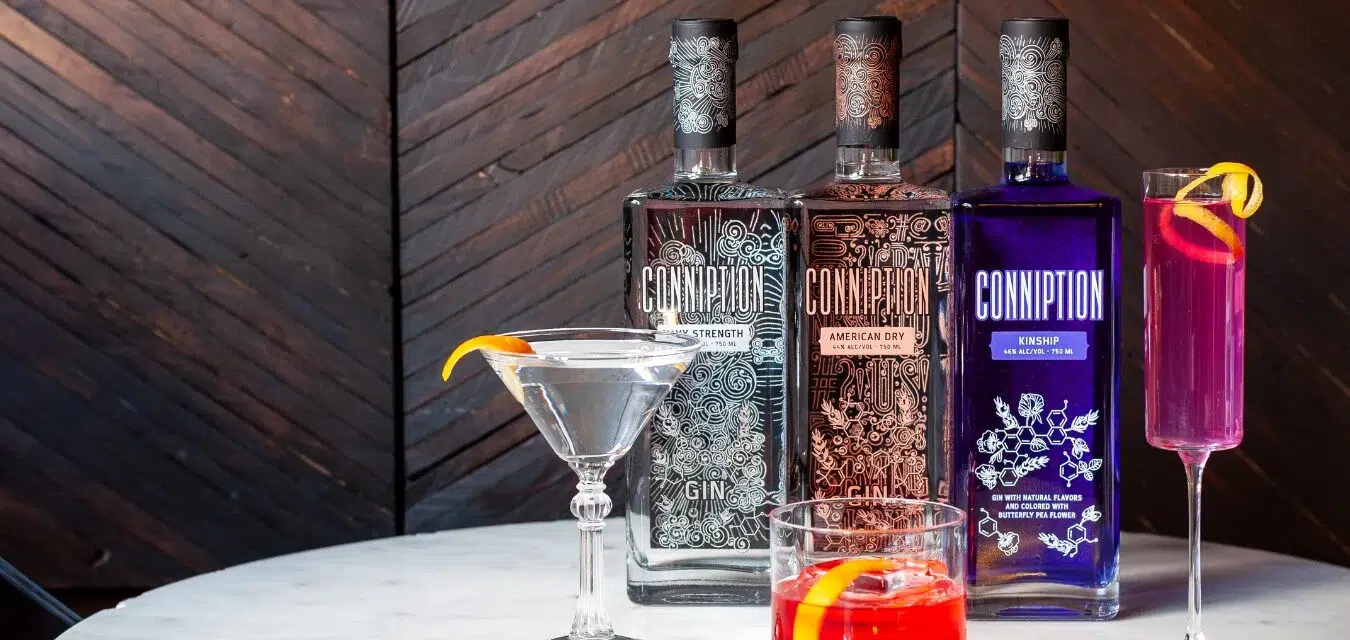
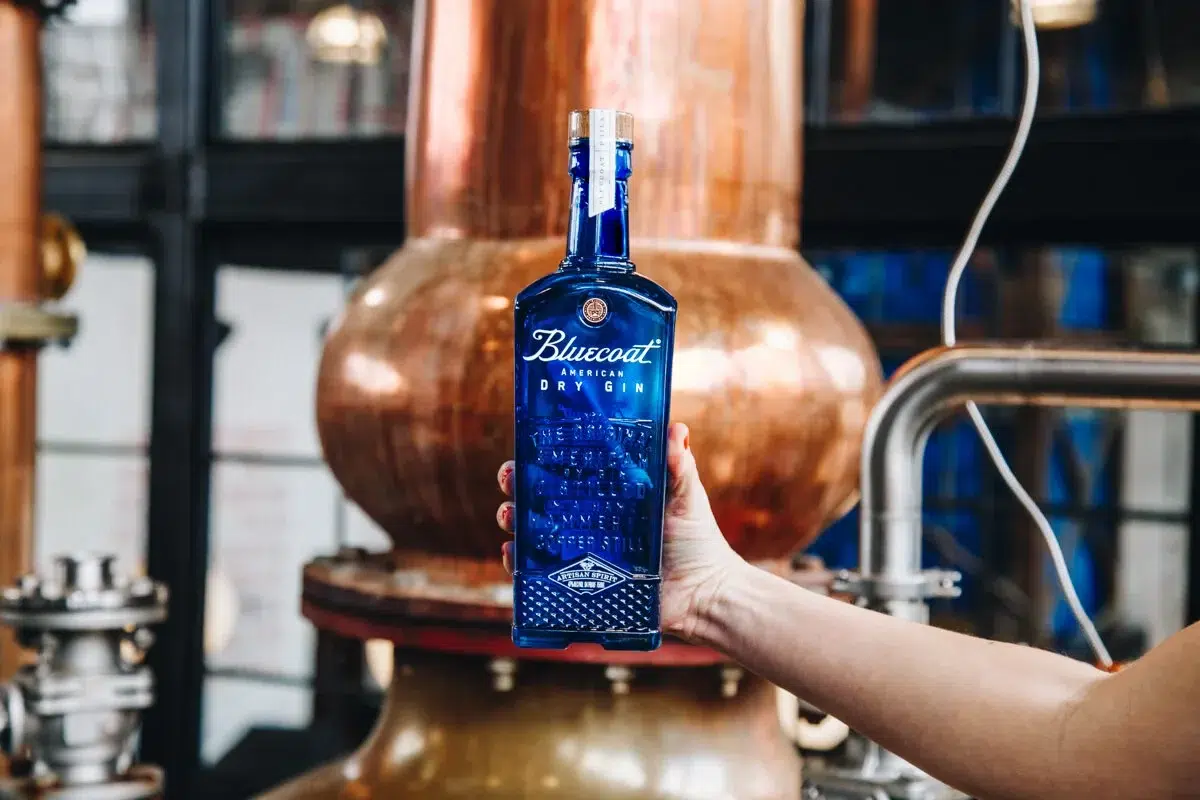
That is why the choice of gin is not incidental; it is definitive. The classic London Dry stalwarts, Beefeater, Tanqueray, and Bombay Sapphire deliver the structure the drink demands, while Plymouth Gin offers a more rounded, maritime softness.
Because the Gimlet is not a canvas, it is a standard, a status reinforced by its place among the International Bartenders Association’s official cocktails.
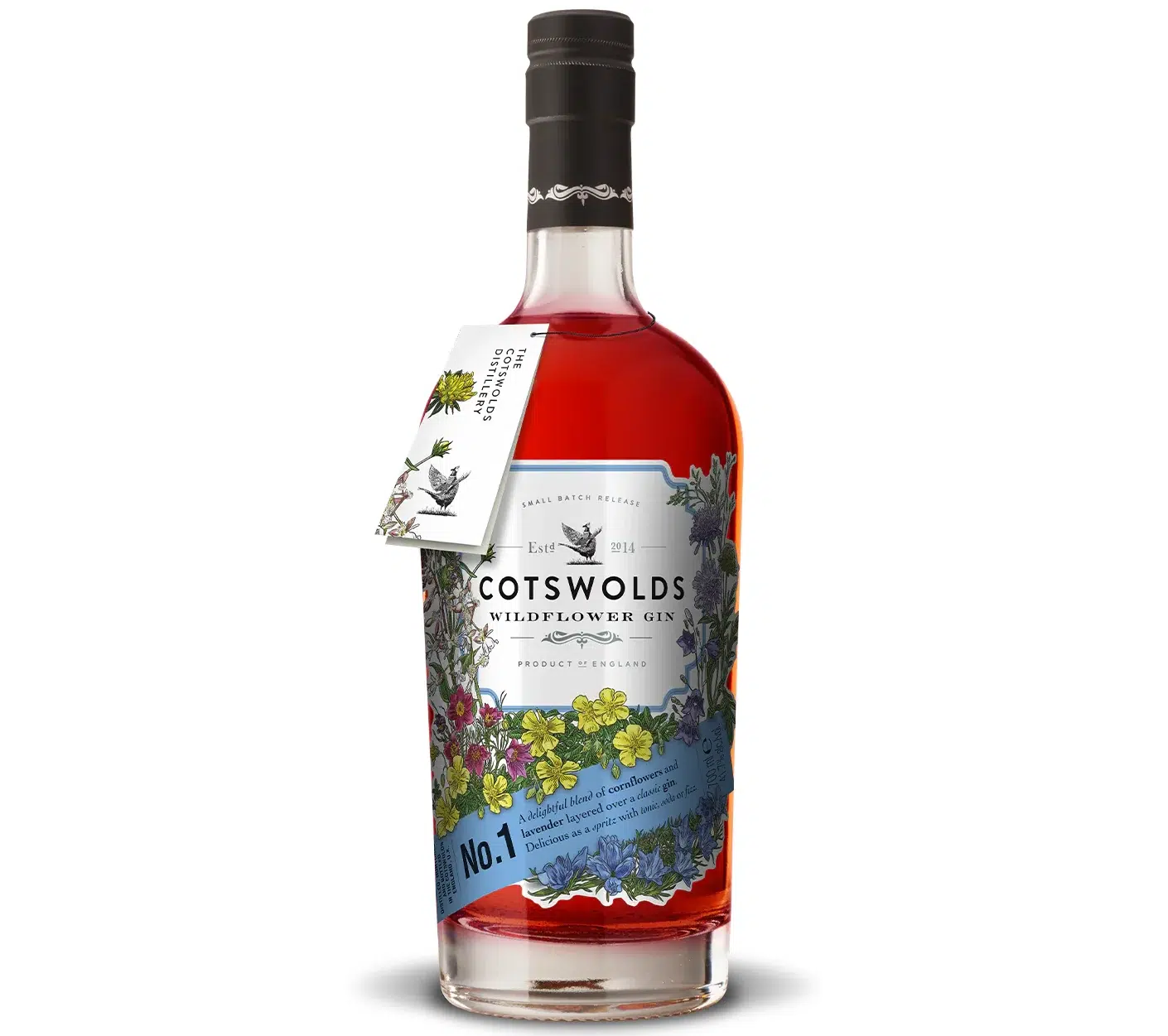
Of course, variations exist, some compelling, others less so. A touch of elderflower can lend a floral softness; basil or cucumber may introduce a measured herbaceous note. In warmer climates, watermelon or citrus-forward adaptations offer a seasonal shift in tone. Even bourbon occasionally steps in, creating a richer, more rounded interpretation.
But these are deviations, not definitions.
The more the Gimlet is embellished, the further it drifts from the very quality that made it endure: clarity. Unlike more forgiving cocktails, it does not reward creativity for its own sake. It rewards restraint, proportion, and an understanding that simplicity, when executed perfectly, is the ultimate luxury.
Served in a chilled coupe or an impeccably balanced Nick & Nora, such as those from Riedel Barware, the Gimlet reveals itself not through complexity, but through precision
And that is precisely why it has survived, unchanged, while so many others have not.
In a culture increasingly drawn to excess, the Gimlet stands apart—not as a relic, but as a reminder. The finest things are rarely those that demand attention, but those that hold it quietly, confidently, and without compromise.
There is nothing to add.
Only the opportunity to get it exactly right.