Wine has always come with a vocabulary of its own: vintages, appellations, producers, classifications, terroir. For generations, understanding that language was treated almost as a prerequisite for belonging. The more fluent the drinker, the more legitimate the experience seemed.
That hierarchy is beginning to loosen.
A younger generation of wine lovers is still interested in provenance, craftsmanship, and the stories behind a bottle, but increasingly resistant to the idea that appreciation must begin with expertise. They want to know what they are drinking and why it matters, yet they also want wine to feel intuitive, social, and connected to the life unfolding around it.
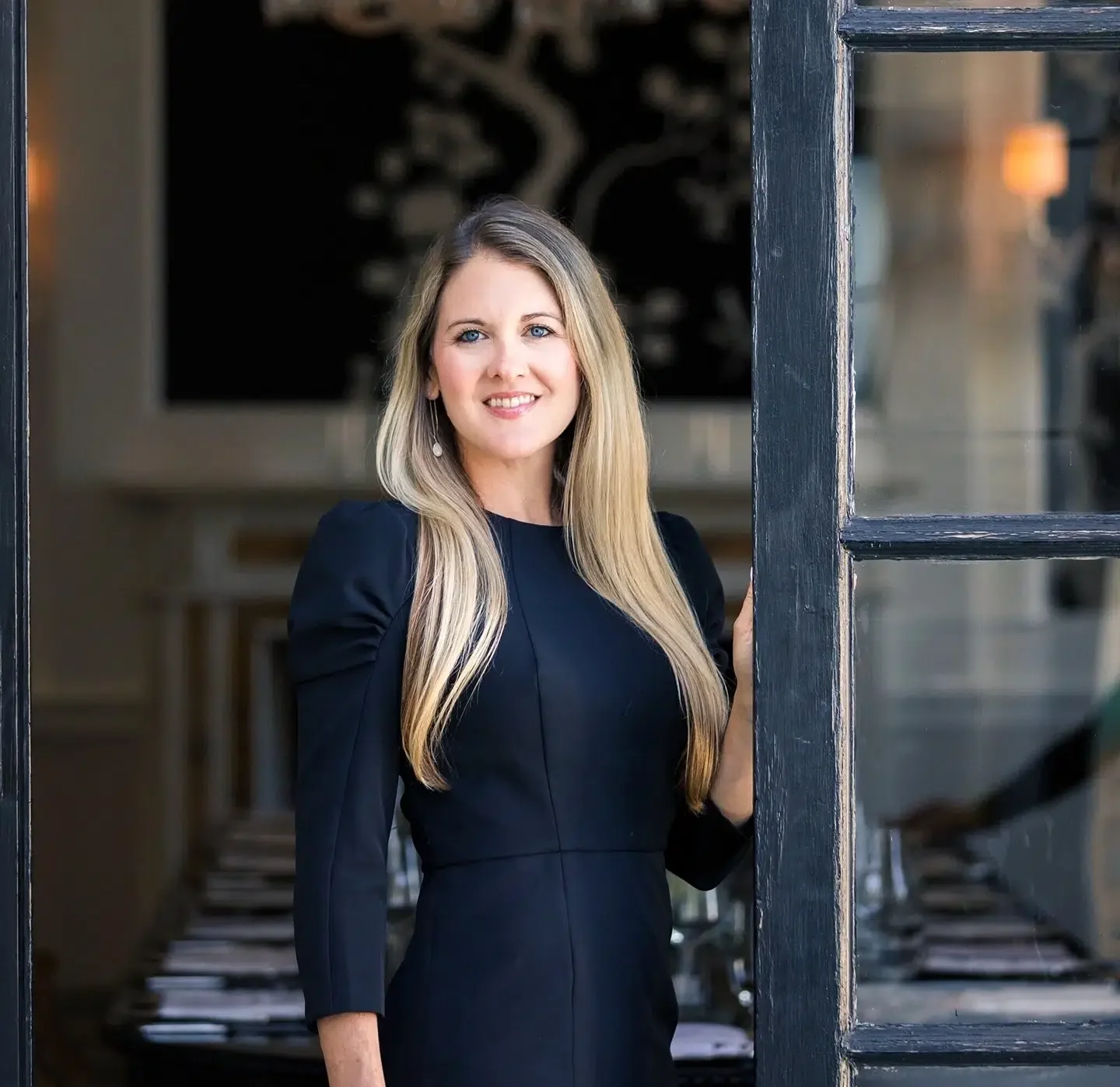
Haley Moore represents that shift.
Her approach does not diminish the rigor of wine. It simply changes the point of entry. Rather than treating knowledge as a barrier, Moore uses it as an invitation, allowing complexity to remain while presenting it with a sense of ease that feels decidedly contemporary.
It is an important distinction. Wine culture has long been shaped by institutions, rules, and traditions that lend it depth, but can also make it intimidating. For the uninitiated, even choosing a bottle can feel like an examination. Moore’s sensibility moves in another direction. The question becomes less about whether a choice is technically correct and more about whether it is right for the person, the table, the mood, or the moment.
That philosophy feels particularly relevant in the context of modern luxury. Exclusivity has not disappeared, but its meaning has changed. Increasingly, the most compelling luxury experiences are not simply the rarest or most expensive; they are the ones that feel personal, considered, and difficult to replicate.
Wine fits naturally within that evolution.
A beautifully chosen bottle can transform a dinner, anchor a memory, or introduce someone to a region they have never visited. It can be sophisticated without becoming ceremonial. In Moore’s world, the value of wine lies not only in the label itself, but in the experience created around it.
That perspective influences the way she approaches wine as both a sommelier and entrepreneur. The emphasis is on curation rather than accumulation. A wine list or selection is not simply a collection of notable bottles; it becomes a narrative, with each choice contributing something distinct to the larger experience.
The best wine programs have always worked this way, but Moore’s interpretation feels especially attuned to the present moment. Contemporary consumers are more informed than ever, yet they are also more selective about how expertise is delivered. They want guidance without condescension, discovery without intimidation, and context without unnecessary performance.
Where did the wine come from? Who made it? Why is this particular bottle interesting? What should one notice—not because a textbook says so, but because it makes the glass more enjoyable?
These are the questions that increasingly matter.
Moore’s style of communication recognizes that knowledge is most valuable when it creates curiosity. The point is not to flatten wine into something simple. Great wine is often complex precisely because it reflects geography, weather, farming decisions, tradition, time, and human judgment. The opportunity is to make those layers compelling rather than forbidding.
That shift is taking place across the wider wine world. Formal expertise remains essential, but authority is becoming less distant. Sommeliers, collectors, winemakers, and educators are increasingly speaking to audiences who expect transparency and personality alongside technical knowledge. Social media, experiential travel, restaurant culture, and direct access to producers have all changed the way people encounter wine.
The result is a more fluid culture, one in which a celebrated Burgundy can share a table with a small-production bottle discovered on vacation, and where the story attached to a wine may matter as much as its prestige.
For traditionalists, that evolution can sometimes feel like a departure. In reality, it may be something closer to a return.
Wine has always been about place, people, and the table. Long before scores, auction records, and collectible cellars became part of its mythology, wine existed as part of everyday ritual: a harvest, a meal, a celebration, an exchange between host and guest.
Moore’s perspective brings some of that humanity back into focus.
Her strength lies in understanding that sophistication does not require distance. A confident recommendation can still be highly informed without becoming performative. A tasting can remain rigorous while feeling relaxed. A bottle can be exceptional without needing to prove its importance before the cork is even pulled.
That is where a new kind of authority emerges.
It is built less on exclusivity than trust, less on demonstrating knowledge than knowing how and when to use it. The expertise is still there, but it becomes almost invisible, shaping the experience quietly rather than dominating it.
For Moore, that balance appears to be the point.
The language of wine is not disappearing. It is becoming more conversational, more personal, and perhaps more generous. Tradition still matters. Provenance still matters. Craft still matters. But so does the person sitting across the table.
And increasingly, the most memorable bottle is not necessarily the one with the greatest pedigree or the highest price.
It is the one chosen with enough understanding to feel inevitable in that particular moment—shared at the right table, with the right people, and remembered long after the final glass is empty.