Long before diamonds adorned red carpets and gemstones filled the vitrines of Place Vendôme, jewelry served a different purpose along the banks of the Nile.
It was a symbol of power, spirituality, and eternity.
More than 2,000 years after the reign of Egypt’s pharaohs, that fascination remains remarkably intact. Ancient Egyptian motifs continue to appear in the creations of the world’s most prestigious jewelry houses, inspiring collections that blend archaeology, artistry, and exceptional craftsmanship.
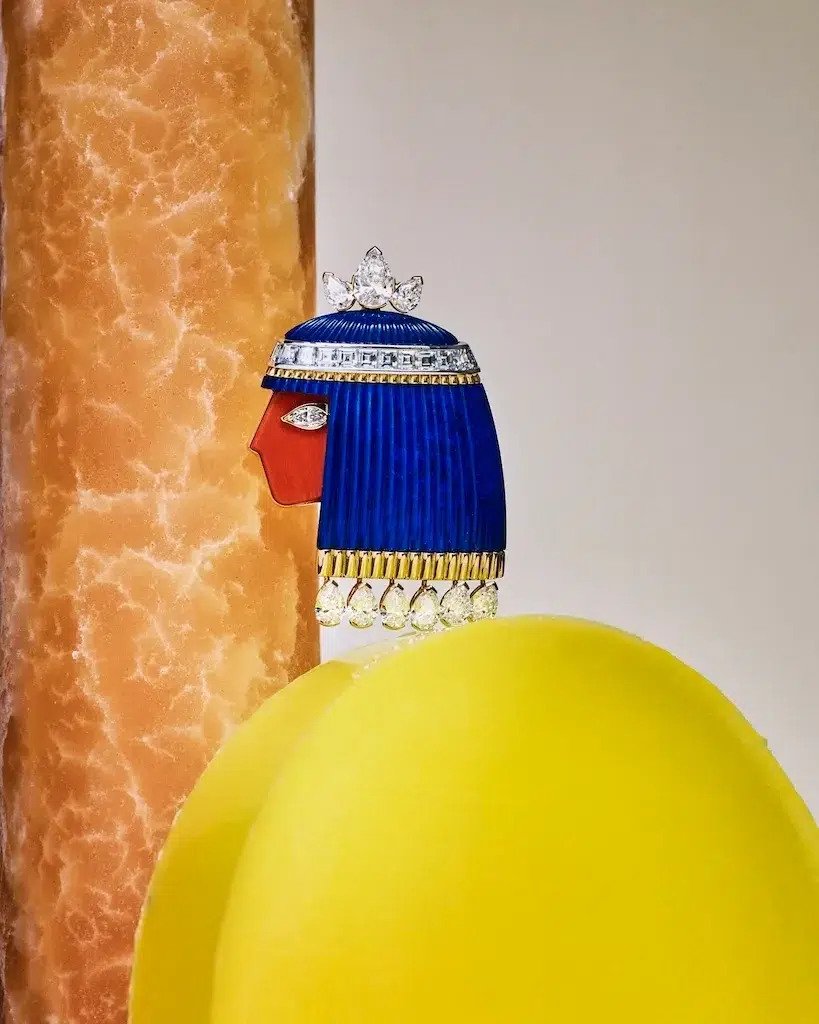
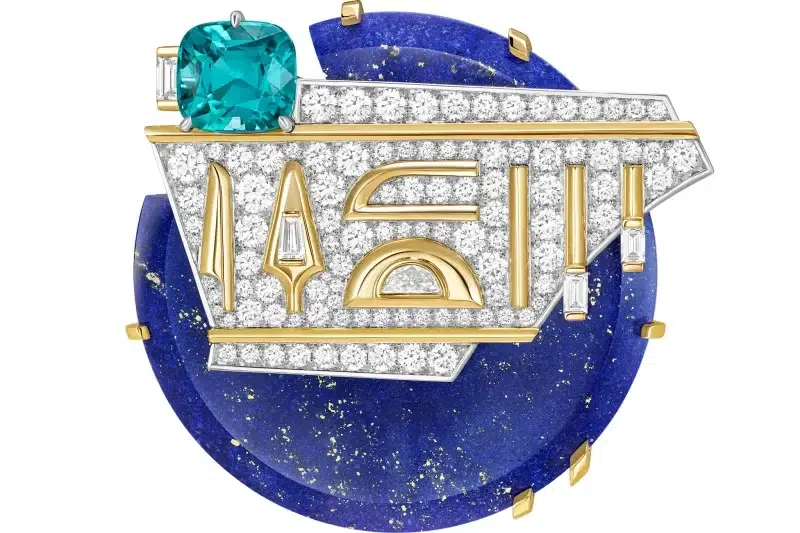
The latest example comes from Van Cleef & Arpels, whose new Fascinating Egypt High Jewellery Collection pays tribute to one of history’s most enduring civilizations. Unveiled during an exclusive presentation in Paris, the collection reimagines the grandeur of ancient Egypt through a series of extraordinary creations that draw upon the visual language of pharaohs, royal regalia, sacred symbols, and archaeological treasures.
Yet the collection also raises a fascinating question: why does Egypt continue to captivate the world’s leading jewelers more than two millennia after the last pharaoh ruled?
The answer lies partly in the remarkable artistry of ancient Egypt itself.
Long before modern luxury houses perfected their métiers, Egyptian craftsmen were creating intricate jewelry using gold, lapis lazuli, turquoise, carnelian, and colored glass. Their creations were not merely decorative. Scarabs symbolized renewal. Lotus flowers represented rebirth. Winged deities offered protection. Every element carried meaning.
For modern jewelry designers, Egypt offers something increasingly rare in contemporary luxury: symbolism.
In an era when many objects are valued primarily for their materials, Egyptian-inspired jewelry connects precious stones and metals to stories that have endured for thousands of years.
The influence became particularly pronounced in the early twentieth century. When Van Cleef & Arpels was founded in Paris in 1906, Europe was experiencing a renewed fascination with Egyptology. That interest intensified dramatically following the discovery of the tomb of Tutankhamun in 1922, an event that sent shockwaves through the worlds of fashion, design, architecture, and jewelry.
Suddenly, scarabs, pyramids, lotus flowers, and hieroglyphic motifs appeared everywhere—from Art Deco interiors to some of the era’s most celebrated jewels.
More than a century later, Egypt continues to inspire a new generation of creations.
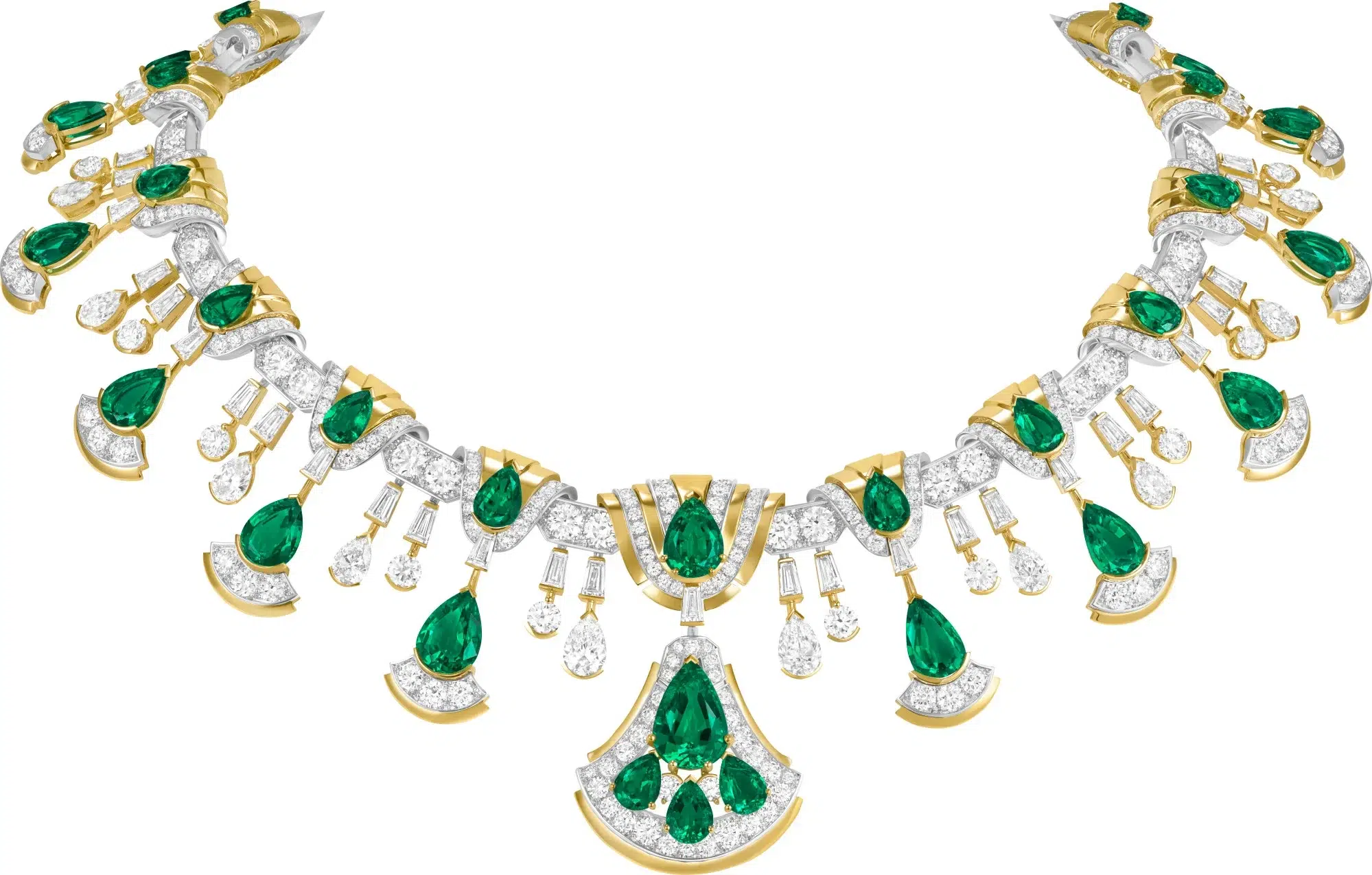
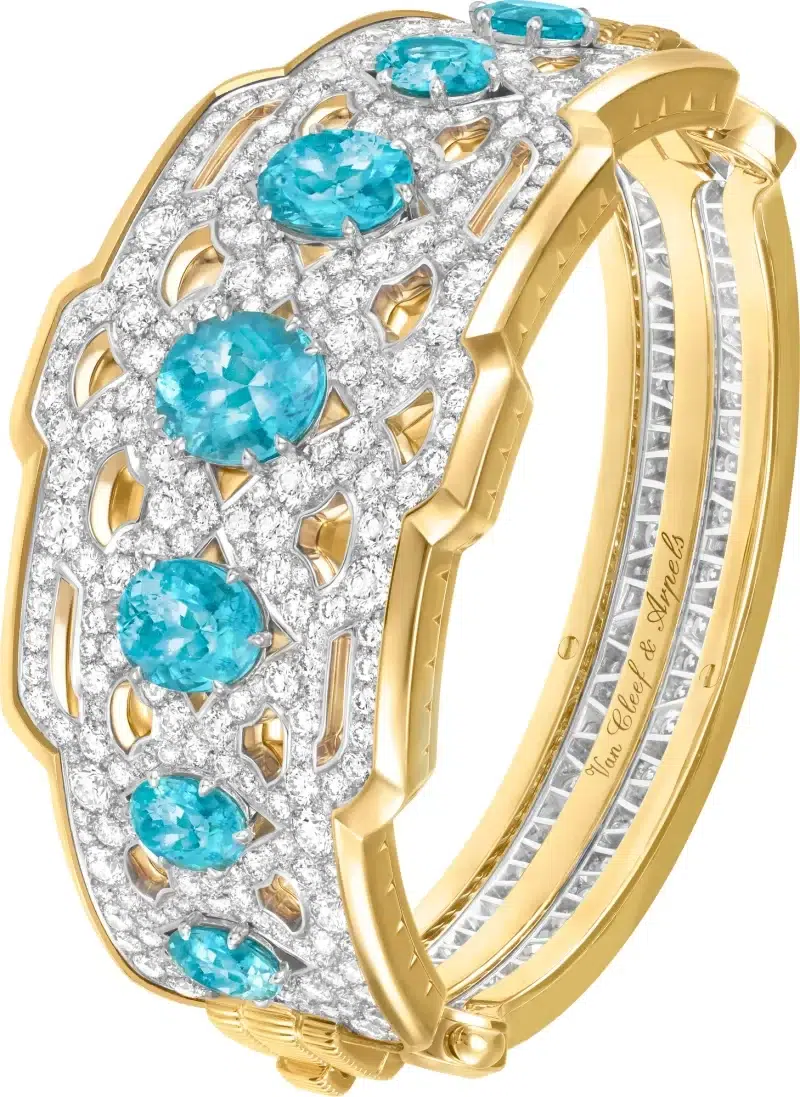
Van Cleef & Arpels’ Fascinating Egypt collection revisits many of those ancient references through a contemporary lens. Brooches depict pharaohs and Cleopatra in regal poses, while the Beauté Légendaire necklace draws inspiration from ceremonial Egyptian breastplates once worn by royalty. Intricate bracelets evoke the visual rhythm of ancient frescoes, translating architectural and artistic details into wearable works of art.
What distinguishes the collection is not simply its subject matter, but its execution.
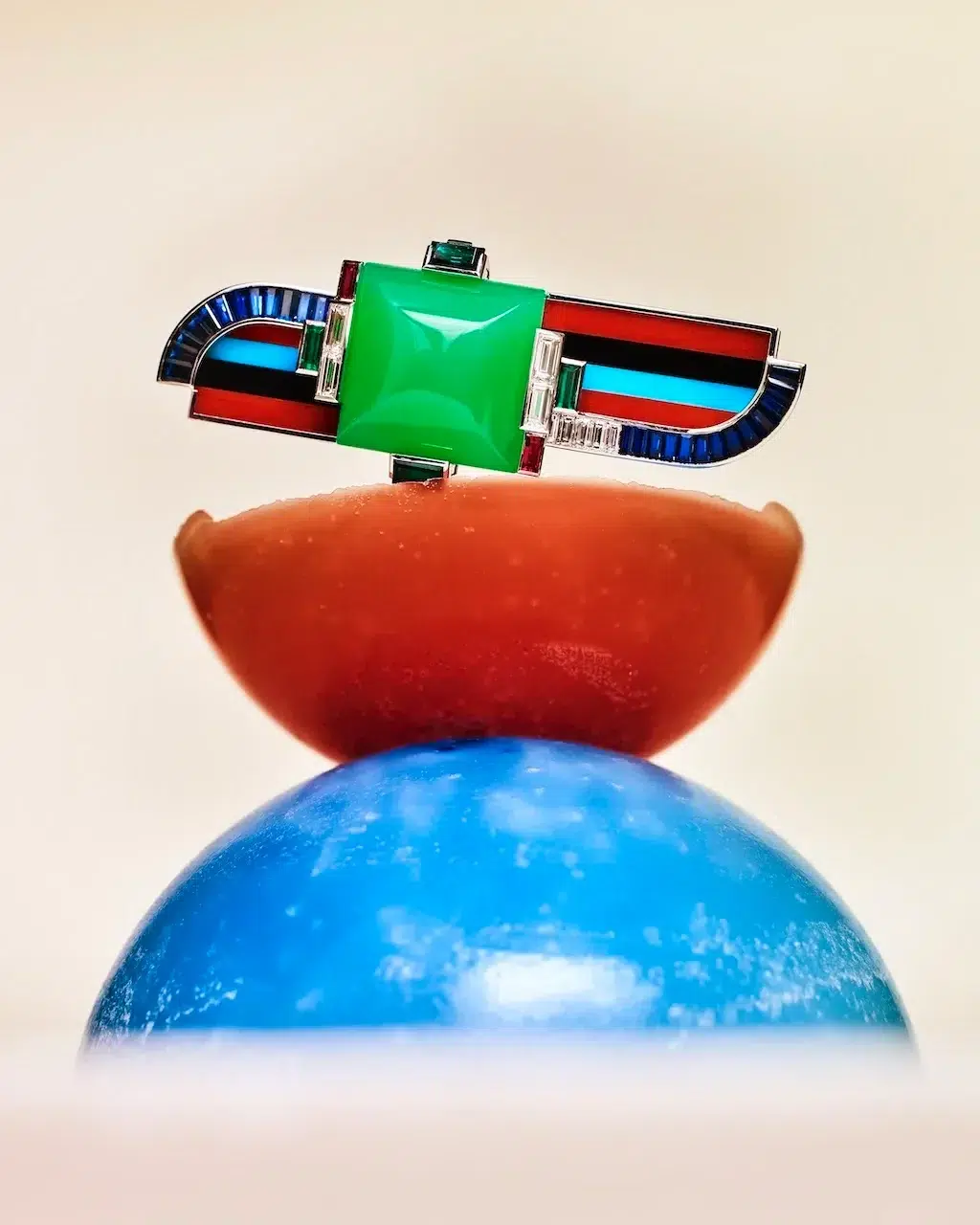
The maison combines rubies, sapphires, emeralds, diamonds, and tourmalines with materials deeply associated with ancient Egypt, including lapis lazuli, turquoise, and rock crystal. The resulting compositions are vibrant, richly layered, and unmistakably theatrical without sacrificing elegance.
That balance has long been one of the defining characteristics of high jewelry.
The finest pieces are rarely literal reproductions of history. Instead, they reinterpret historical influences through contemporary craftsmanship, creating objects that feel both timeless and relevant. The approach echoes many of the year’s most remarkable high jewelry creations, where storytelling and artistry remain just as important as the gemstones themselves.
Van Cleef & Arpels is hardly alone in its fascination with Egypt. Throughout the twentieth and twenty-first centuries, leading maisons have repeatedly returned to the civilization for inspiration. The enduring appeal of Egypt also highlights why the world’s great jewelry houses continue to draw upon history, culture, and craftsmanship in ways that transcend seasonal trends. The geometric precision of Egyptian design aligns naturally with Art Deco aesthetics, while its rich symbolism continues to resonate with collectors seeking pieces that carry deeper meaning.
There is also something inherently cinematic about Egypt.
Its monumental architecture, legendary rulers, and enduring mysteries have captivated artists, writers, designers, and travelers for generations. Luxury houses understand that exceptional jewelry is not merely about gemstones. It is about storytelling. Few civilizations offer a richer source of stories than ancient Egypt.
Perhaps that is why Egyptian influence continues to resurface in high jewelry despite changing fashions and shifting trends.
The civilization represents permanence in a world increasingly defined by impermanence.
The pharaohs built monuments intended to endure for eternity. Jewelers create heirlooms with similar ambitions.
Viewed through that lens, the relationship between ancient Egypt and high jewelry feels less like a passing fascination and more like a natural partnership. Both celebrate craftsmanship, symbolism, beauty, and legacy. Both seek to transform precious materials into objects capable of transcending generations.
More than two thousand years after its golden age, Egypt continues to inspire some of the world’s most extraordinary creations.
And as Van Cleef & Arpels’ latest collection demonstrates, its influence remains as powerful as ever.