Luxury collectors will spend six figures on a wristwatch without hesitation. At the highest levels of the market, exceptional examples from Patek Philippe, Rolex, Audemars Piguet, and independent watchmakers routinely command extraordinary sums, with waiting lists, auction records, and investment potential driving much of the conversation.
Yet some of the most fascinating objects in horology are not worn on the wrist at all.
They sit quietly on mantels, desks, library shelves, and in grand entrance halls, measuring the passage of time much as they have for centuries. Often overlooked in favor of contemporary wristwatches, fine clocks are emerging as one of luxury collecting’s most compelling, and surprisingly undervalued, categories.
The shift is subtle but unmistakable.
As seasoned collectors build increasingly sophisticated collections, many are beginning to look beyond the obvious. Having acquired the watches, automobiles, artwork, and rare spirits that define traditional luxury collecting, they are discovering a category that offers extraordinary craftsmanship, rich historical significance, and remarkable value relative to its importance: fine clocks.
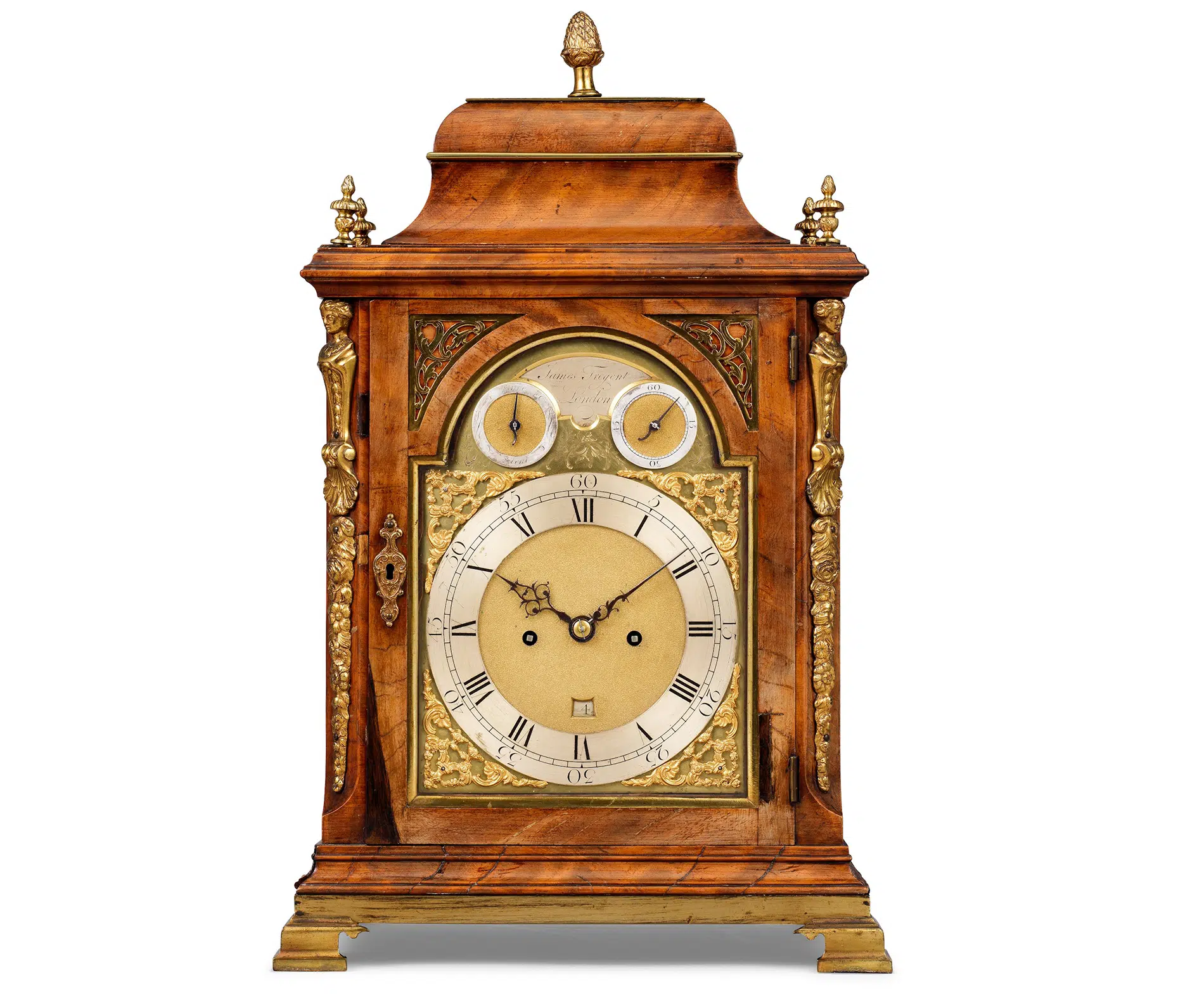
The renewed interest is evident at auction houses such as Bonhams, one of the few major international firms that continues to hold dedicated Fine Clocks sales. While headlines often focus on record-breaking wristwatches, knowledgeable collectors quietly compete for exceptional carriage clocks, bracket clocks, regulator clocks, and historically important timepieces that represent centuries of mechanical innovation.
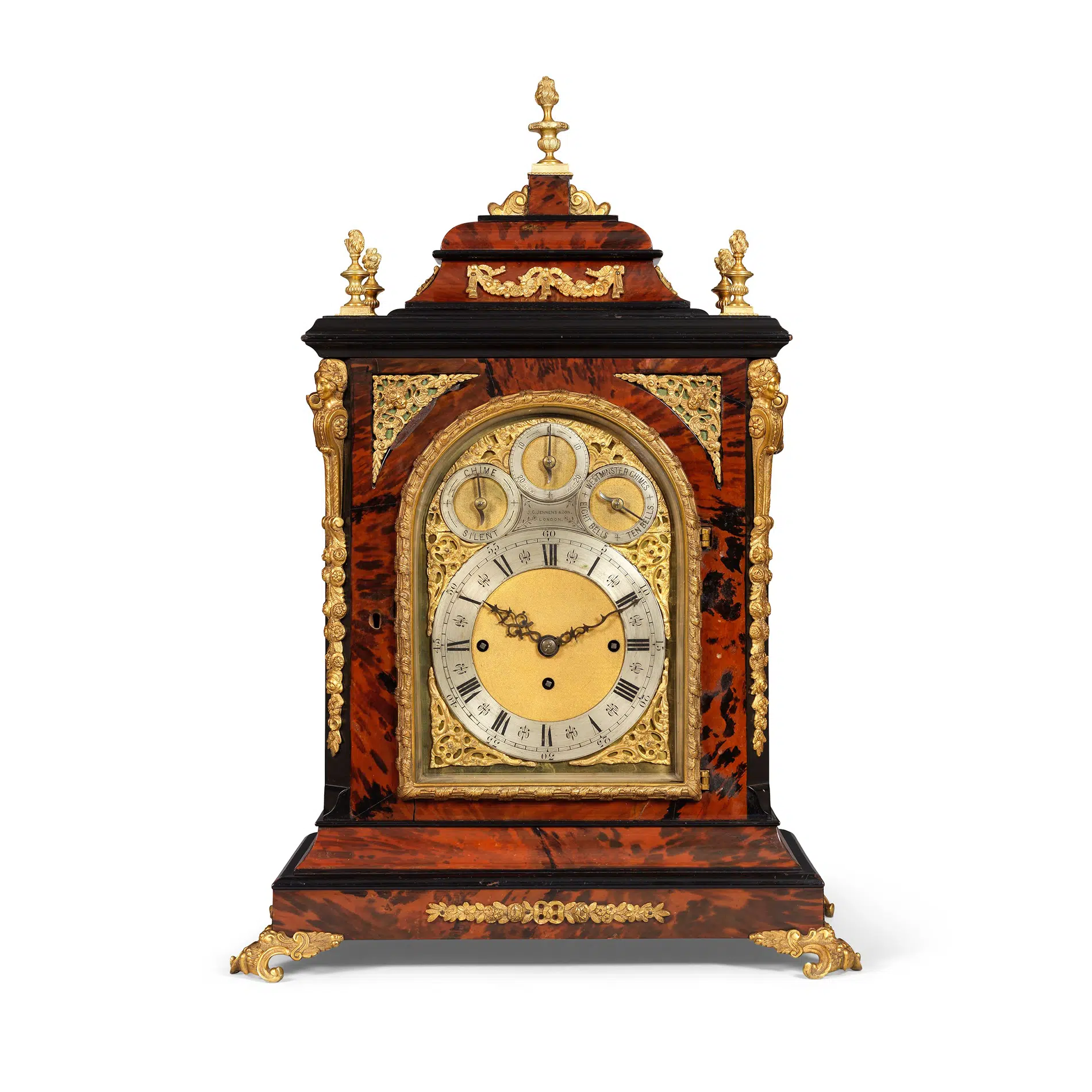
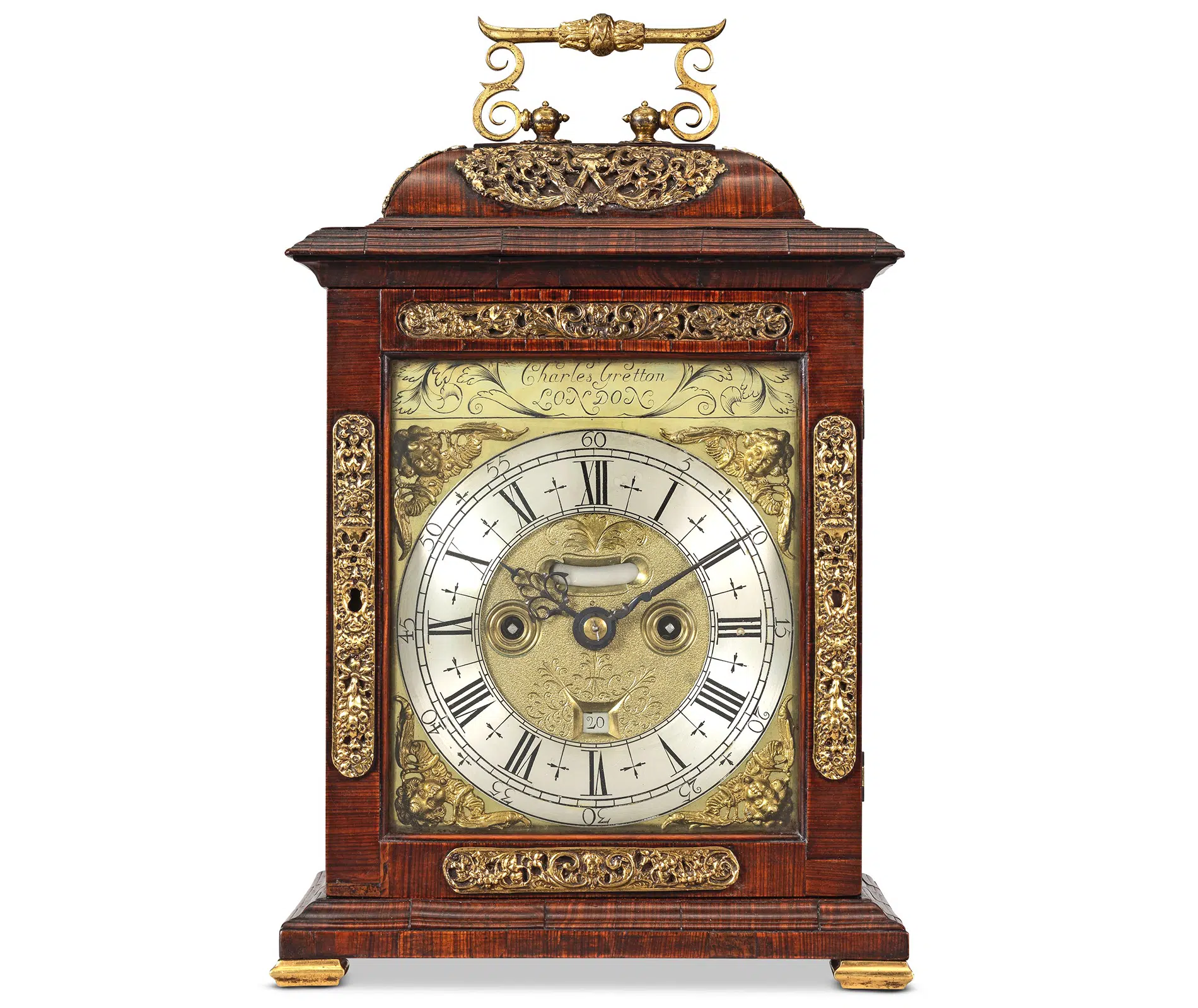
Bonhams’ upcoming Fine Clocks auction provides a compelling snapshot of the category’s breadth and enduring appeal. Among the highlights are a rare quarter-chiming ten-bell bracket clock by J.C. Jennens & Son of London, an early eighteenth-century table clock by James Blackborow, an elegant tulipwood striking table clock, and a distinguished Grande Sonnerie carriage clock by the celebrated French maker Drocourt. Together, these pieces span more than two centuries of horological history, demonstrating why collectors increasingly view fine clocks not merely as timekeepers but as functional works of art.
For many, the appeal begins with craftsmanship.
Long before mass production transformed manufacturing, the finest clocks were created entirely by hand. Master clockmakers devoted months, sometimes years, to constructing intricate mechanical movements capable of measuring time with extraordinary precision. Cases were often crafted by leading artisans using precious woods, ormolu, bronze, enamel, and other decorative materials. The result was an object that functioned as both a scientific instrument and a work of art.
Unlike a wristwatch, which spends much of its life hidden beneath a cuff, a fine clock is designed to be seen.
It becomes part of a home’s identity.
A great clock displayed in a library, study, or grand salon transforms a room in ways few collectible objects can. These pieces do more than tell time. They create atmosphere, spark conversation, and connect their owners to centuries of artistic and mechanical achievement.
That decorative appeal is perfectly illustrated by the J.C. Jennens & Son quarter-chiming ten-bell bracket clock featured in the Bonhams sale. With its richly figured case, gilt detailing, and impressive movement, the piece represents the kind of craftsmanship that once occupied pride of place in the homes of Britain’s elite. It is easy to understand why such clocks continue to captivate collectors today.
Among the categories attracting renewed attention are carriage clocks, once considered essential accessories for Europe’s traveling elite. Developed during the nineteenth century, these portable masterpieces accompanied wealthy owners on journeys across the continent, combining precision engineering with remarkable decorative artistry. Their compact dimensions often disguise an extraordinary level of complexity, with repeating mechanisms, alarms, calendars, and musical functions housed within beautifully finished cases.
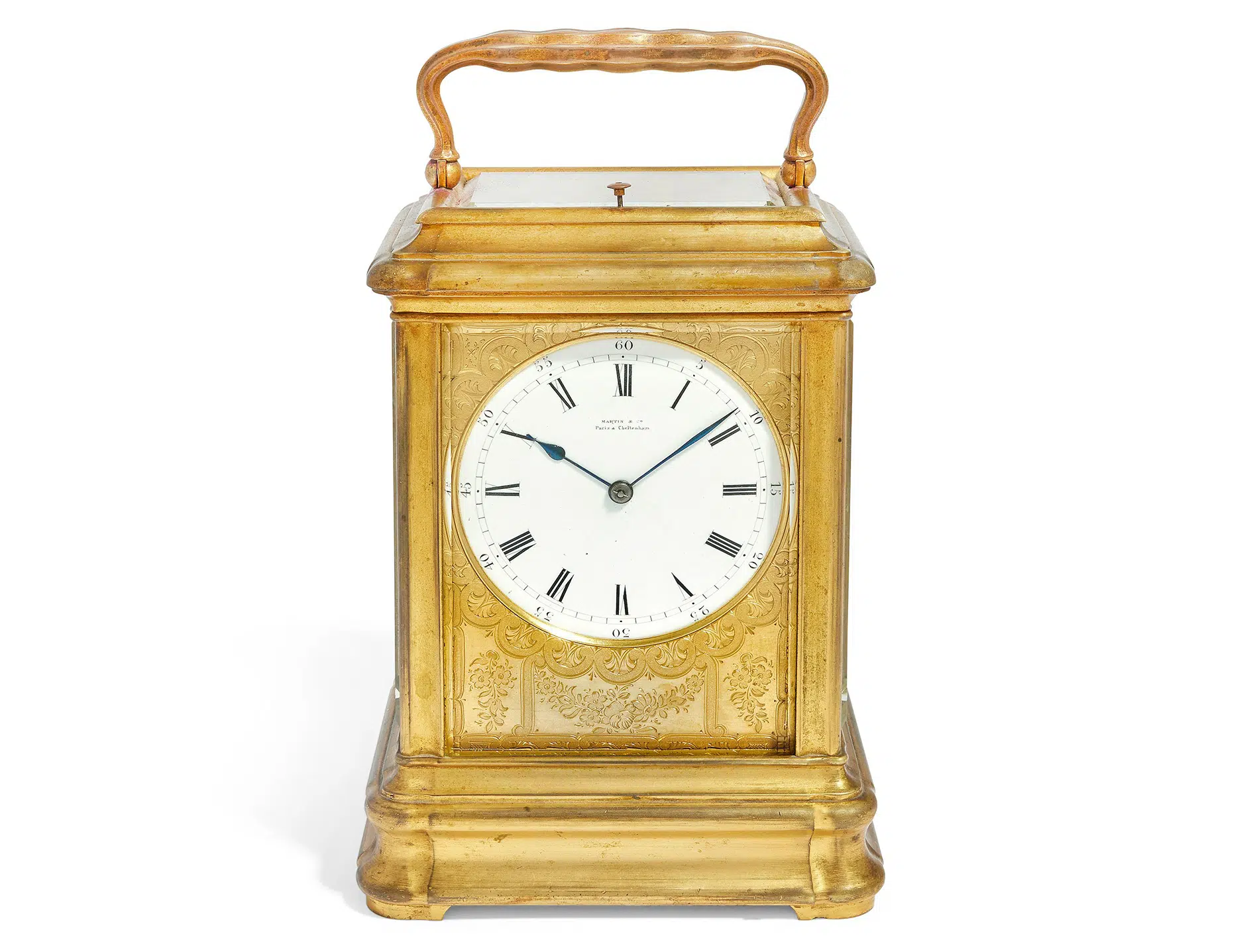
The Drocourt Grande Sonnerie carriage clock offered by Bonhams serves as a reminder of the extraordinary ingenuity that defined the golden age of French clockmaking. Highly regarded among collectors, Drocourt clocks are celebrated for both their technical sophistication and their elegant execution. Pieces such as these offer collectors the opportunity to acquire museum-quality craftsmanship that would be extraordinarily difficult to reproduce today.
The attraction extends well beyond carriage clocks.
Collectors are increasingly drawn to table clocks and bracket clocks that combine architectural beauty with mechanical excellence. The early eighteenth-century James Blackborow table clock featured in the auction exemplifies this appeal. Created more than three hundred years ago, it remains both functional and visually striking, a testament to the enduring quality of traditional English craftsmanship.
Similarly, the elegant tulipwood striking table clock demonstrates how clockmakers often worked at the intersection of engineering and decorative arts. Its beautifully figured case reflects the same attention to detail that collectors routinely celebrate in fine furniture, while its movement speaks to the technical mastery of its maker.
Perhaps the greatest surprise for newcomers is value.
In a market where important wristwatches routinely command hundreds of thousands, or even millions of dollars, many historically significant clocks remain comparatively accessible. Collectors can often acquire extraordinary examples with impeccable provenance, exceptional craftsmanship, and museum-worthy quality for a fraction of the cost of a highly sought-after wristwatch.
That reality has not gone unnoticed.
As luxury markets mature, collectors increasingly seek opportunities where scholarship, rarity, and historical significance remain underappreciated. Fine clocks occupy a unique position within that landscape. They offer many of the qualities that drive enthusiasm for great watches, mechanical ingenuity, artistic excellence, rarity, and provenance, yet remain less crowded and less speculative.
There is also something inherently satisfying about collecting objects that were never intended to follow trends.
A great clock was built to outlive its original owner. In many cases, it already has.
These are objects that have witnessed generations pass, survived wars, crossed continents, and continued to perform their singular task with remarkable consistency. They represent a slower, more deliberate era of craftsmanship, one increasingly valued in a world dominated by disposable technology and digital convenience.
The irony is difficult to ignore.
While much of the luxury world remains fixated on the next record-breaking Rolex or the latest limited-edition watch release, some of the most knowledgeable collectors are quietly looking elsewhere. They are rediscovering a category that combines artistry, history, engineering, and value in ways few modern collectibles can match.
The Bonhams Fine Clocks auction offers a timely reminder that some of horology’s most extraordinary treasures are still waiting to be discovered. For collectors willing to look beyond the wrist, the rewards can be remarkable.
The wristwatch may remain the most visible symbol of horological passion, but the smartest collectors increasingly understand that some of timekeeping’s greatest masterpieces were never designed to be worn.
They were designed to stand still and be admired.