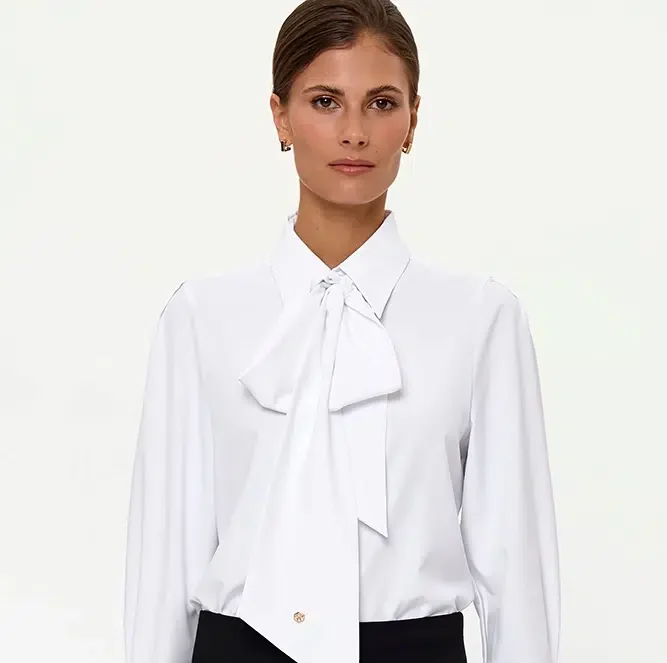
The modern woman rarely dresses for a single occasion. Her day may begin with a flight, continue through a business meeting, move into lunch, and end over drinks without allowing time for a complete change of clothes. She wants polish, but not stiffness; comfort, but not the familiar uniform of athleisure. Most of all, she wants a wardrobe that understands how she actually lives.
That is the space Ina Kess has chosen to occupy.
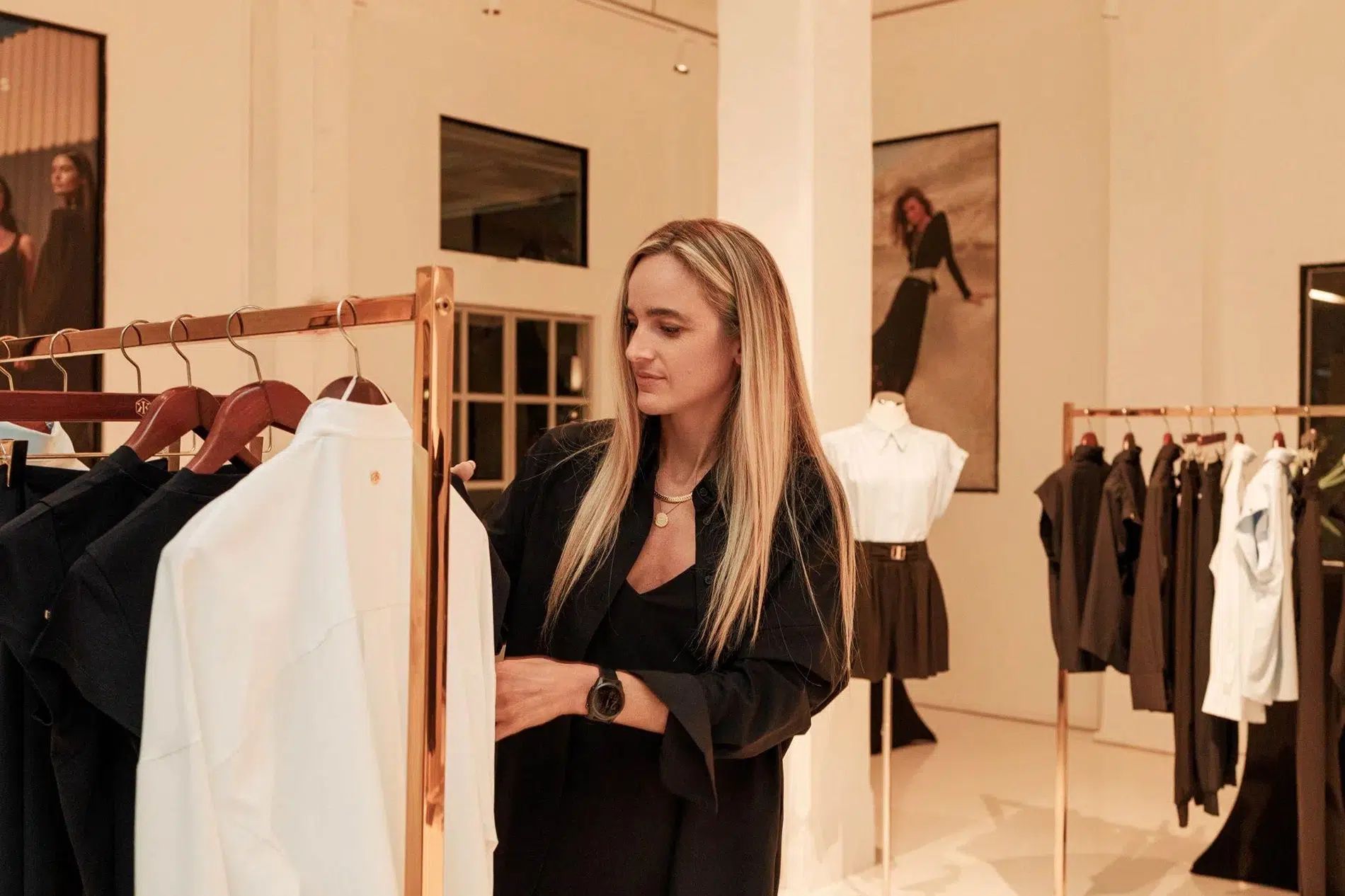
Founded in Zurich by Katharina Staub, the Swiss fashion label approaches clothing with the precision of product design. Its collections are elegant and quietly feminine, but beneath the refined silhouettes are technical fabrics, discreet adjustments, and carefully considered details intended to make each piece work harder.
Staub describes the philosophy simply: “True luxury is freedom the freedom to move, to think clearly, and to live without restriction.”
It is a definition that reveals why Ina Kess feels particularly relevant now. As fashion continues to reconsider the meaning of luxury, the brand offers an alternative to both conspicuous dressing and overly casual performance wear. Its clothes do not announce their practicality. They conceal it.
Staub was 27 when she founded the company in 2015 from her Zurich apartment. A graduate in economics from the University of Zurich, she had previously worked in the technology industry rather than following a traditional path through fashion school or a major design house. That background appears to have shaped the analytical way in which she approaches the wardrobe.
 |
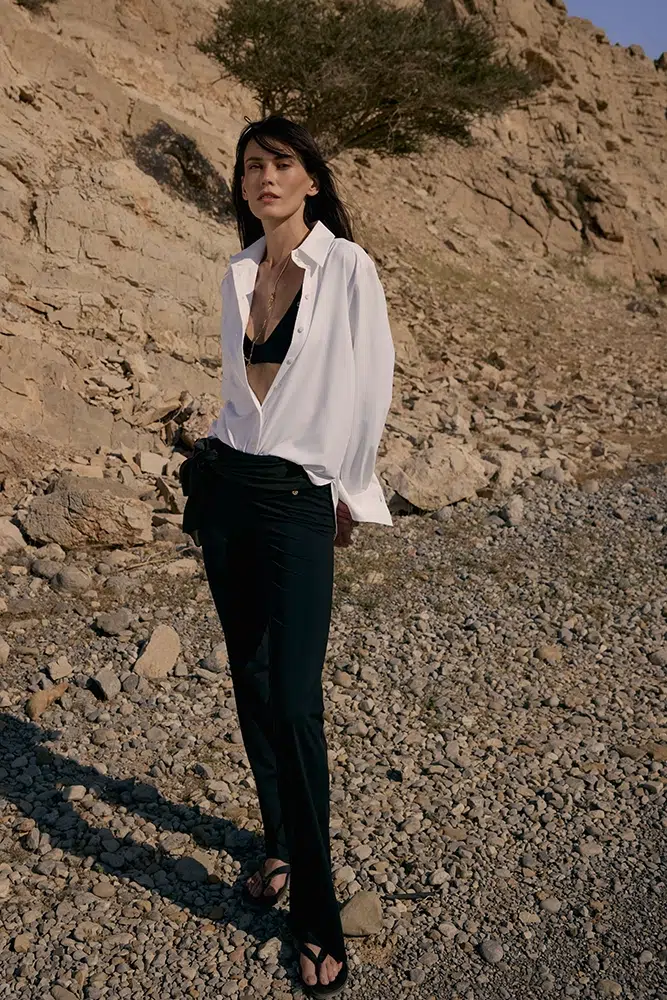 |
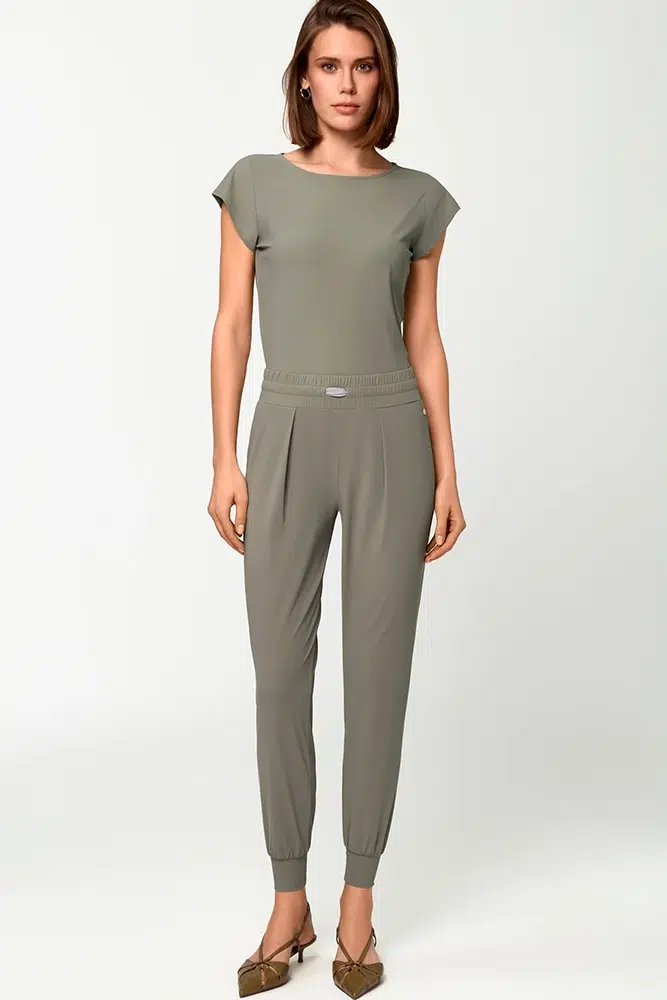
Her first product was a pair of black trousers.
The choice was revealing. Rather than begin with a dramatic evening dress or a trend-driven statement piece, Staub focused on one of the most demanding items in a woman’s closet: trousers that needed to be flattering, versatile, comfortable, and appropriate across different settings.
She deliberately distanced the brand from conventional athleisure. “For me, that was wearing leggings into the supermarket,” she says. “Our goal was never about making fashion casual or sports-focused. It was about elevating function—making something refined, dressy, and comfortable enough for work and play.”
 |
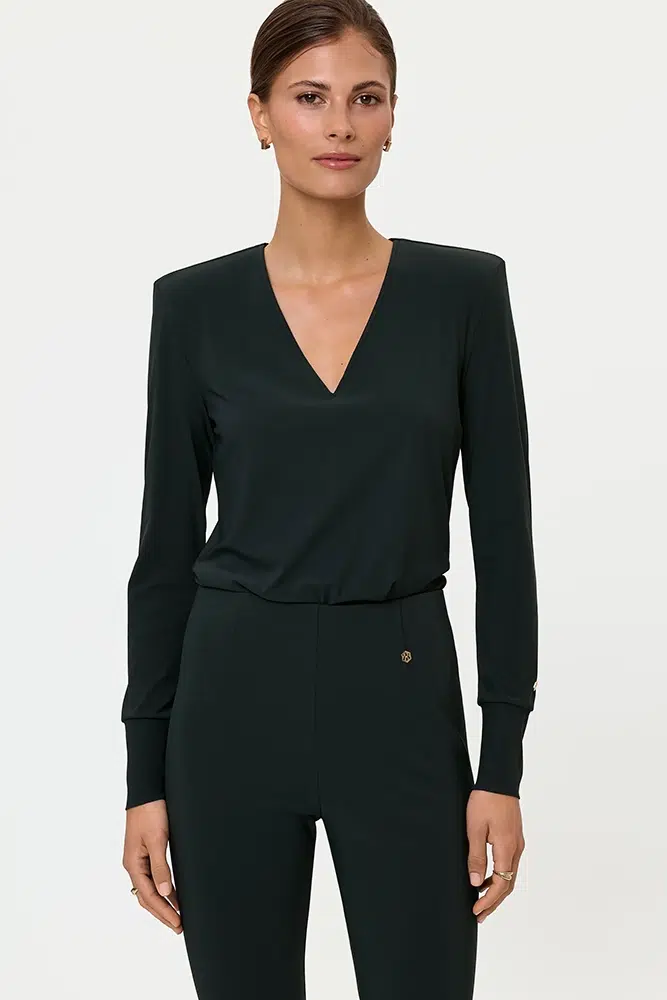 |
That principle remains central to Ina Kess. Shirt sleeves contain hidden stretch bands so they can be pushed upward and remain in place. Trousers feature discreet adjustments that allow the length or silhouette to be altered. Reflective strips appear beneath shirt collars and along zippers, becoming visible only when the garment is opened or worn in a particular way.
These details are almost private. They are not designed to dominate the garment or advertise its technical nature. Instead, they serve the wearer quietly, allowing her to move more easily through the day.
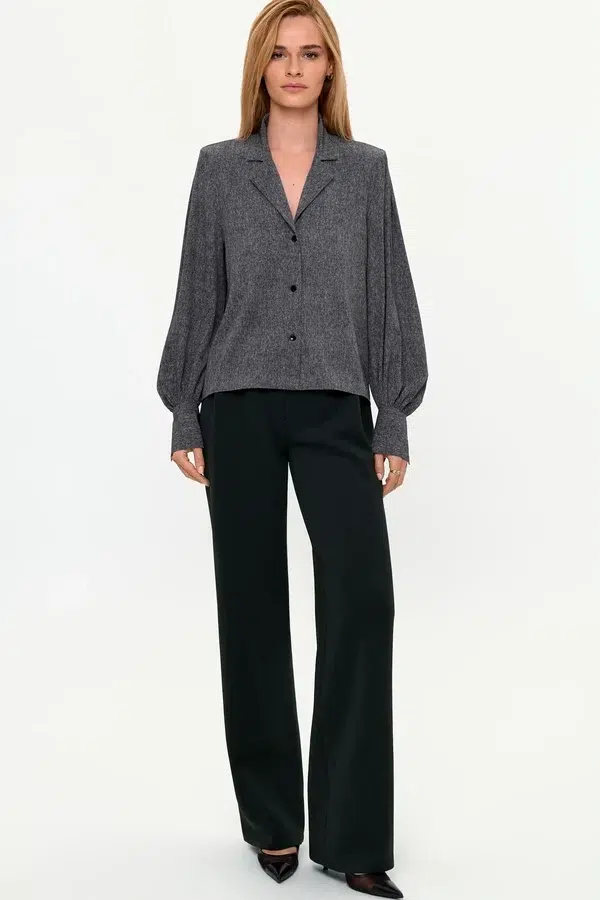
Blouses have the appearance and softness of silk but are designed for greater resilience. Dresses are quick-drying and crease-resistant. The palette is largely neutral, allowing pieces from different collections and seasons to work together without appearing repetitive. A blazer introduced one year may still pair naturally with trousers, shirts, or skirts released several seasons later.
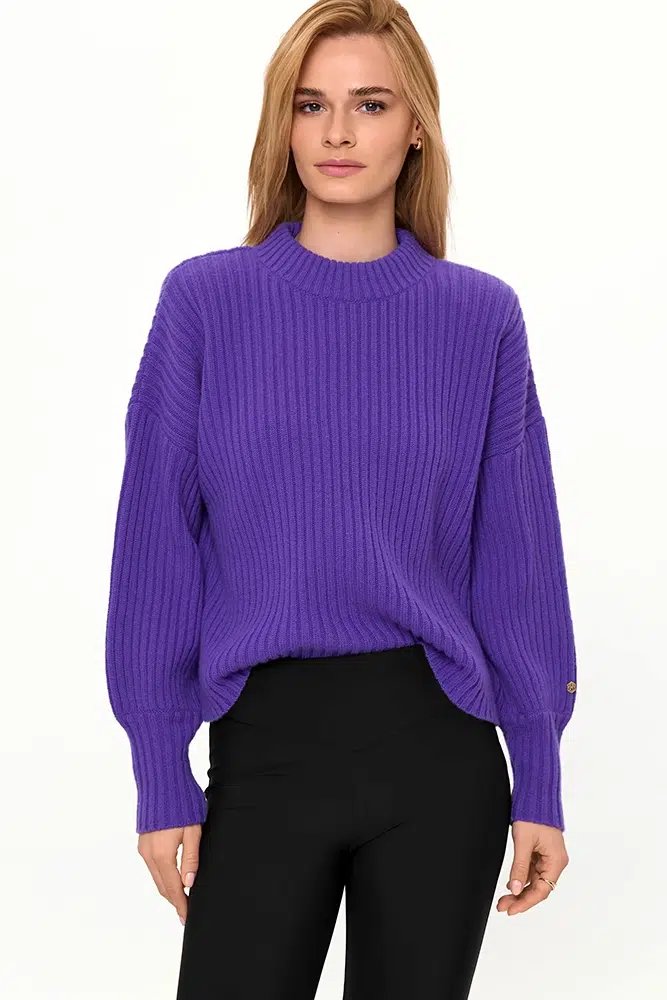
“We deliberately don’t do the color of the season,” Staub says. Collections are built as small, tightly edited capsules rather than complete wardrobes intended to become obsolete within months.
The Spring/Summer 2026 collection continues this approach with pieces including the Cedarina blazer, Laregia and Orlov shirts, Sanvita and Sinam trousers, the Fiama crop top, and the laser-cut Fiorita skirt. Rather than competing for attention, the garments are designed to integrate into a larger system of dressing.
That modularity may be one of the brand’s greatest strengths. Ina Kess does not ask women to reinvent themselves each season. It proposes a wardrobe that evolves gradually, with new pieces extending the life of those already owned.
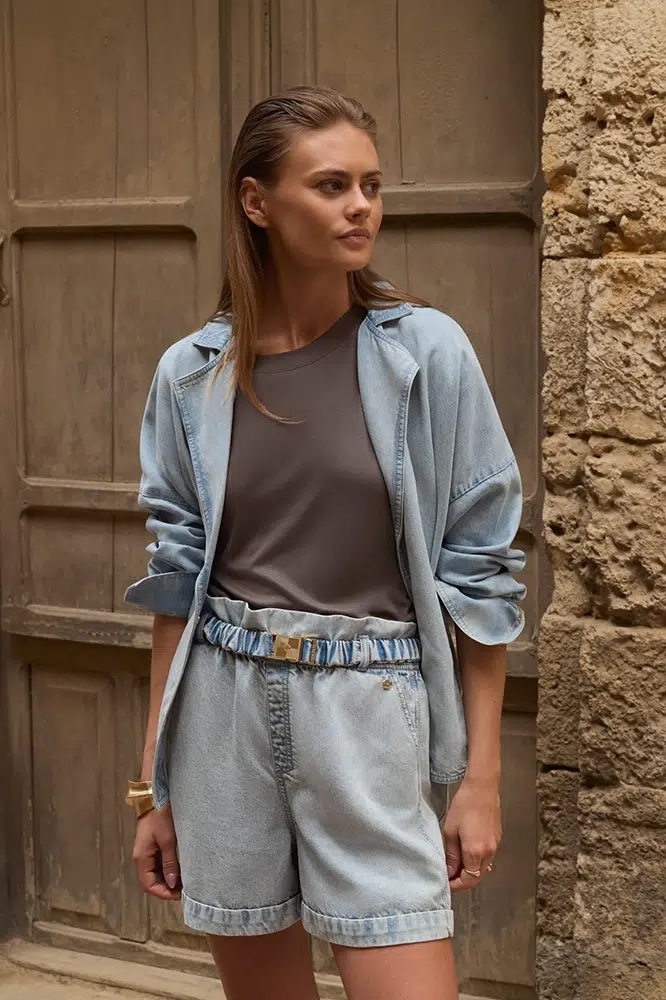
Staub has also introduced the label’s first stonewashed denim collection, made using wood-derived Tencel fabric. The addition allows Ina Kess to explore a more relaxed category while maintaining the structure and refinement associated with the brand.
 |
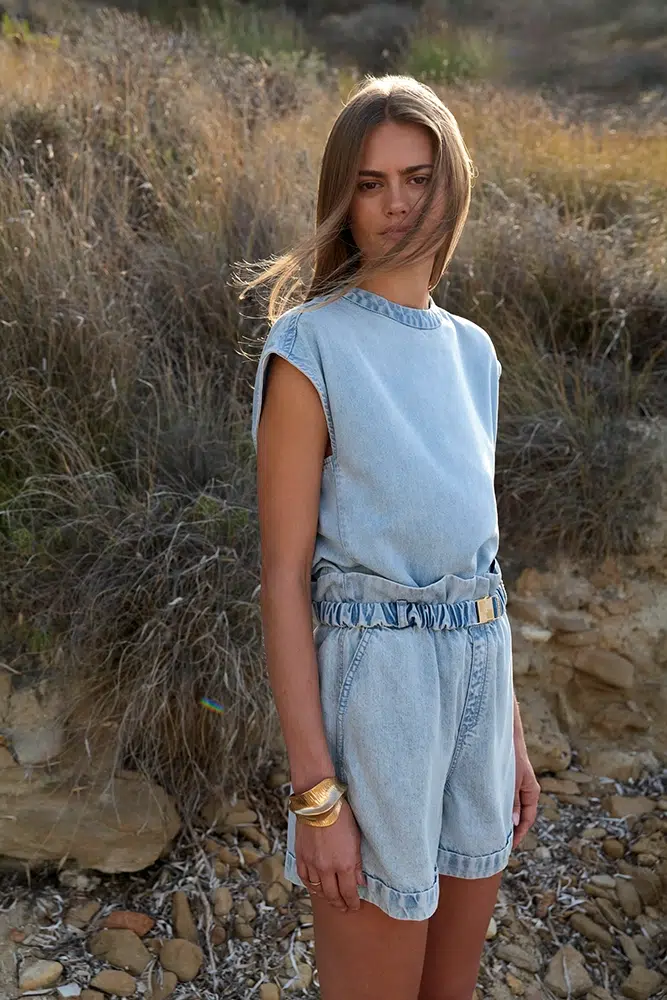 |
She points to the Tripani shorts as an example of the intended balance. They are, in her words, “so sexy and yet cool,” designed to be paired with one of the house’s shirts and worn from an easy lunch through to a summer evening.
Denim may represent a new chapter, but it does not signal a departure from the original philosophy. The fabric is selected not simply for appearance but for movement, softness, and wearability. Even the most casual Ina Kess pieces are expected to feel considered.
Today, the company works with 12 specialist factories in Portugal and has established a presence in New York City, Dubai, and the Maldives. Yet the brand retains the disciplined character of its Swiss beginnings. There is little interest in excess, loud branding, or disposable novelty.
Signature gold buttons with a starburst motif appear throughout the collections, providing a recognizable house code without overwhelming the clothes. The result is subtle rather than anonymous: a wardrobe that rewards close attention.
Staub designs with several types of women in mind. There is Sylvie, the confident woman over 50 who understands what suits her but refuses to dress according to stereotypes about age. Yvonne is the executive or frequent traveler who moves between flights, meetings, and dinners and needs clothes that resist creasing and require little maintenance. Nina is the creative professional or mother who values ease but refuses to compromise her presentation. Sarah, the youngest, may still be aspiring to invest in the brand, but already understands the appeal of intentional luxury.
These archetypes are not rigid customer profiles so much as expressions of the different demands women place on clothes. Age, occupation, and lifestyle may vary, but the underlying desire is consistent: to feel composed without feeling constrained.
“My wardrobe allows customers to dress in the morning and be done for the rest of the day,” Staub says.
There is an appealing confidence in that promise. The Ina Kess woman does not need to change her identity between work and leisure, or between the airport and the city. She needs clothing capable of accompanying her through each setting.
“Luxury is not fragility, but endurance,” Staub says. “We do not create seasonal wardrobes. Instead, we create modular, seasonless pieces that transition across climates.”
It is an idea that feels both practical and quietly radical. Fashion has long equated luxury with delicacy, special occasions, and garments that demand careful treatment. Ina Kess suggests that true refinement may be found in something more liberating: clothes beautiful enough to admire, intelligent enough to perform, and resilient enough to be lived in.
An Ina Kess woman does not need obvious branding. She needs quality, comfort, and the assurance that her clothes will move through the world as confidently as she does.