Latin beauty has never been one thing. It is as likely to be rooted in the biodiversity of the Amazon as in the makeup counters of Miami, the salons of Los Angeles, the pharmacies of São Paulo or the beauty rituals passed between generations in Caribbean and Latin American households.
What has changed is the visibility.
Across skincare, color cosmetics, haircare and fragrance, Latin American and Latina-founded brands are no longer operating at the edges of the global beauty conversation. They are helping shape it, bringing with them a sensibility defined by color, ritual, cultural memory, ingredient provenance and a willingness to challenge the narrow standards that once dominated the industry.
Some of the most influential examples began long before the current wave of founder-led beauty. Natura was founded in São Paulo in 1969 by Luiz Seabra and went on to build one of Latin America’s most recognizable beauty businesses. Its Ekos line, launched in 2000, was developed around relationships with Amazonian communities and ingredients derived from Brazilian biodiversity, establishing a model in which beauty, sourcing and environmental responsibility could coexist. Today, Natura continues to position biodiversity and regenerative impact at the center of its identity.
That connection between place and product remains one of the defining strengths of Latin beauty. Ingredients such as cupuaçu, castanha, murumuru, passion fruit and açaí have become familiar far beyond Brazil, while botanical traditions from across Central and South America increasingly appear in formulations developed for global consumers.

At the luxury end of the spectrum, Tata Harper helped give that sensibility a different expression. Born in Barranquilla, Colombia, Harper co-founded Tata Harper Skincare in 2010 on a 1,200-acre farm in Vermont’s Champlain Valley. The brand built its identity around botanical formulations, in-house manufacturing and the idea that high-performance skincare could also carry a strong sense of provenance and ritual.

The influence is not limited to ingredients. It is equally visible in the way Latina founders have rethought the language, color and inclusivity of modern cosmetics.
Beautyblender founder Rea Ann Silva, who is of Mexican, Portuguese and Irish heritage, built one of the beauty industry’s most recognizable tools after years working as a makeup artist in film and television. Her experience matching and adapting makeup for women of color became part of the foundation of her career, and the now-iconic edgeless sponge emerged from a practical need on set.
What made Beautyblender important was not simply the shape of the sponge. It represented a broader shift toward tools and formulas developed with a more expansive understanding of skin tone, texture and technique.

That same cultural specificity runs through LUNA MAGIC. Founded by Afro-Latina sisters Mabel and Shaira Frías, the brand has drawn inspiration from Caribbean and Latin American music, color and beauty culture. Its products use names and palettes that reference a multicultural identity rather than smoothing it into something generic, and the company has expanded into major retailers including Target, Walmart and CVS.
Rizos Curls approaches beauty from another direction. Founded in 2017 by Julissa Prado, the Los Angeles-based, Latina-owned family business was created specifically for curls, coils and waves. Prado has spoken openly about growing up frustrated by the lack of products that worked for her own hair, an experience that eventually became the foundation of the brand.
The company’s philosophy—“Curls, Community, Culture”—captures something important about the current generation of Latin beauty founders. The strongest brands are not simply selling products to a demographic. They are building around lived experience.
Alamar Cosmetics does the same through makeup. Founder Gabriela Trujillo was born in Alamar, Cuba, and immigrated to Hialeah, Florida, as a child. Her brand draws freely from Cuban-American language and beauty culture, using names and imagery that feel recognizably rooted rather than broadly “Latin.”

That distinction matters because Latin identity is not monolithic.
A Dominican-American founder in New York, a Cuban-American founder in Miami, a Mexican-American entrepreneur in Los Angeles and a Brazilian company drawing on Amazonian biodiversity may all sit within the wider Latin beauty conversation, but their references, traditions and aesthetics are markedly different.
The industry is increasingly making room for those differences.
For years, beauty marketing often reduced Latin women to a handful of stereotypes: bronzed skin, bold lips, dark hair and an almost theatrical relationship with glamour. The new generation of founders has pushed back against that flattening. Some brands celebrate exuberant color. Others focus on natural hair, clean skincare, minimalist design or ancestral ingredients. What unites them is not a single aesthetic but a stronger insistence on authorship.
That is perhaps the real evolution.
Latin beauty is no longer simply something interpreted by multinational companies for a regional consumer. Increasingly, the people defining the products, stories and visual language are the people whose cultures inspired them in the first place.

The results have been commercially significant, but they have also changed the emotional texture of the beauty aisle.
Products now carry names in Spanish without apology. Curl patterns once ignored by mainstream brands are treated as central rather than niche. Ingredient stories draw from specific ecosystems and communities. Packaging references music, family, neighborhood and memory instead of relying solely on the universal language of prestige.
For luxury beauty, that cultural confidence is particularly compelling.
The most interesting products today are often the ones that feel specific enough to belong somewhere. They carry a sense of origin. They tell you who made them, what influenced them and why the formula or color exists in the first place.
Latin American and Latina-founded beauty brands have become increasingly adept at doing exactly that.
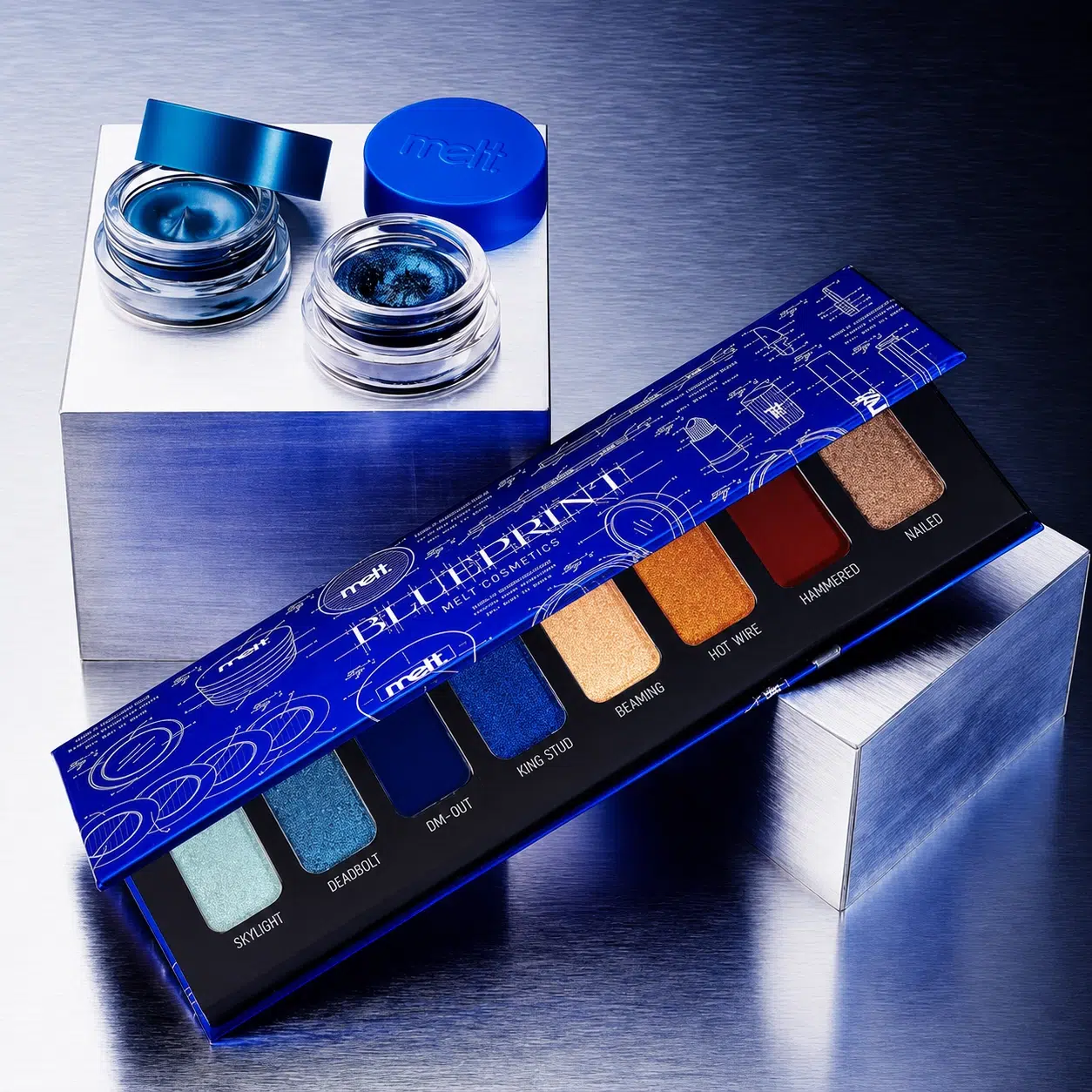
Whether through a Brazilian body oil, an Afro-Latina eyeshadow palette, a curl cream born from a founder’s own frustrations or a Colombian-born skincare entrepreneur’s botanical formulas, the message is increasingly clear: heritage is not a limitation to be softened for a global audience.
It can be the very thing that gives a beauty brand its point of view.